PestNetOnline
Login© 2026 Rentokil Initial plc and subject to the conditions in the Legal statement
There are over 2,000 termite species identified, each with their own distinct characteristics.¹ The three most common termite species in the U.S., subterranean, drywood, and dampwood termites, all have different habitats and habits. However, they all share a voracious appetite for cellulose found in wood and wood products, which can make your property at risk for termite damage. Pinpointing the exact type of termite you are dealing with can help you select the most effective treatment method to prevent and or eliminate any infestations. With commercial termite control from Rentokil, you can help prevent costly repairs and protect your business.
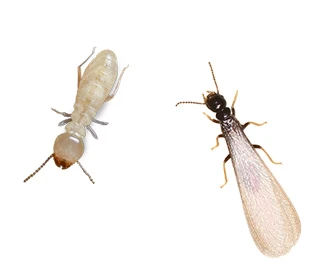
(Reticulitermes flavipes)
Despite their name, Eastern subterranean termites can be found across the United States and are the most common species of termite in the country.
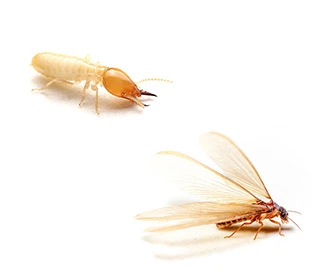
(Coptotermes formosanus and Coptotermes gestroi)
Formosan and Asian subterranean termites are found primarily in the south and the southeastern parts of the United States.
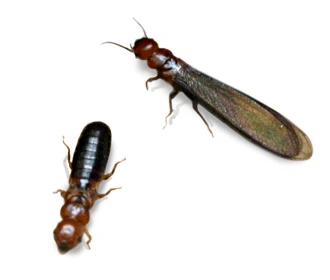
(Incisitermes minor)
As the name implies, Western drywood termites are found primarily in the western United States.
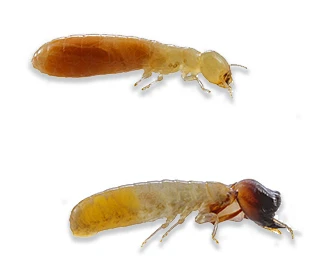
(Cryptotermes brevis)
Also known as the West Indian drywood termite, the tropical drywood termite can be found in Florida and southeast coastal areas, on the Texas coast, and in Hawaii.
Given the complexity and elusive nature of termites, it's best to call in termite control experts at the first sign of any termite activity. At Rentokil, our Technicians have the expertise and tools to accurately identify the type of termite, locate colonies, and select the most effective treatment method to eliminate these silent destroyers and keep your business protected from them.
Contact us today to learn more about our termite control solutions and prevention for your business!
¹Information on the number of termite species sourced from www.PestWorld.com
To identify different types of termites in your business, first, look for signs of their presence, such as mud tubes, discarded wings, and damaged wood. Conduct regular inspections in areas prone to moisture, as some species prefer damp environments, while others may thrive in drier conditions. It's also important to consult with a commercial pest control professional who can identify specific termite species and their behavior.
The most destructive termite species for businesses include the Eastern subterranean termite, Formosan termite, and drywood termite. To ensure your business is protected, it's crucial to implement regular inspections by pest control professionals who can identify signs of infestations early.
Businesses can implement pest management strategies to significantly reduce the risk of termite infestations. This includes regular inspections and professional termite control. By prioritizing preventive measures and staying vigilant, businesses can effectively reduce the risk of reinfestation and protect their investment.