myRentokil
Manage your business
The presence of mice in a commercial office building poses a significant operational, financial and legal risk that goes far beyond merely being a nuisance. For facility managers, property owners and business leaders, a mouse infestation is a serious issue that directly affects workforce health, building safety, regulatory compliance and business continuity.
The sighting of even a single mouse, whether through direct observation or tell-tale signs, can indicate the start of a complex problem that might escalate from a minor sanitation concern to a public health threat, a fire hazard or cause irreversible damage to a company's reputation. This article explains the health, structural, legal and reputational issues that can arise from a mouse infestation.

The most immediate and severe risk associated with a mouse infestation is the threat to human health from the pathogens that mice can carry. There are multiple pathways for disease transmission in the enclosed space of offices, creating a hazardous environment for employees.
Diseases can spread directly to people from mice by:
Indirect transmission of diseases occurs by:
A mouse infestation can introduce several dangerous pathogens into the workplace. The potential diseases mice can transmit include:
A mouse infestation can reduce indoor air quality by releasing allergens. Proteins found in dried urine, dander and faeces are strong allergens that may cause allergic reactions such as sneezing, watery eyes and severe asthma attacks in sensitive people. These allergens can become airborne in dust, especially during building work or cleaning activities and can linger long after an infestation has been eradicated, requiring specialised cleaning measures.
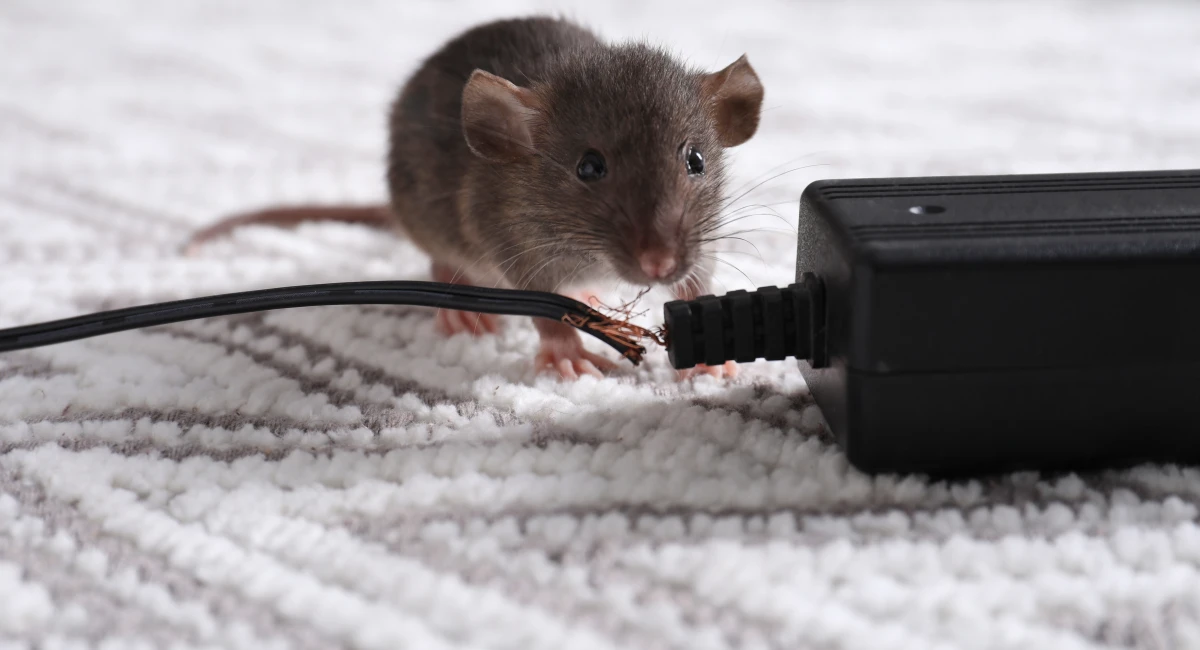
The physical damage that mice can cause is a direct threat to a building's infrastructure, creating significant safety hazards and financial liabilities. This damage stems from a biological imperative: a mouse's incisor teeth grow continuously, forcing them to gnaw constantly on hard materials to keep them worn down.
The most hazardous consequence of this gnawing behaviour is the destruction of electrical wiring and data cables. Mice often chew through the protective insulation of wires, exposing live conductors. This can cause short circuits, power outages, critical data loss and, most seriously, fires that threaten lives and can destroy the entire facility. The risk of an electrical fire caused by rodent activity is a danger that facility managers cannot afford to overlook.
Mice can gnaw through a variety of building materials, including wood, plastic, plasterboard and even soft metals. They create holes in walls and floors, which serve as entry points and pathways, further damaging the building's structure.
This activity can also affect water pipes, causing leaks, water damage and costly, disruptive repairs. Additionally, they shred insulation within walls and ceilings to make nesting material, reducing the building's thermal efficiency and increasing fire risk.
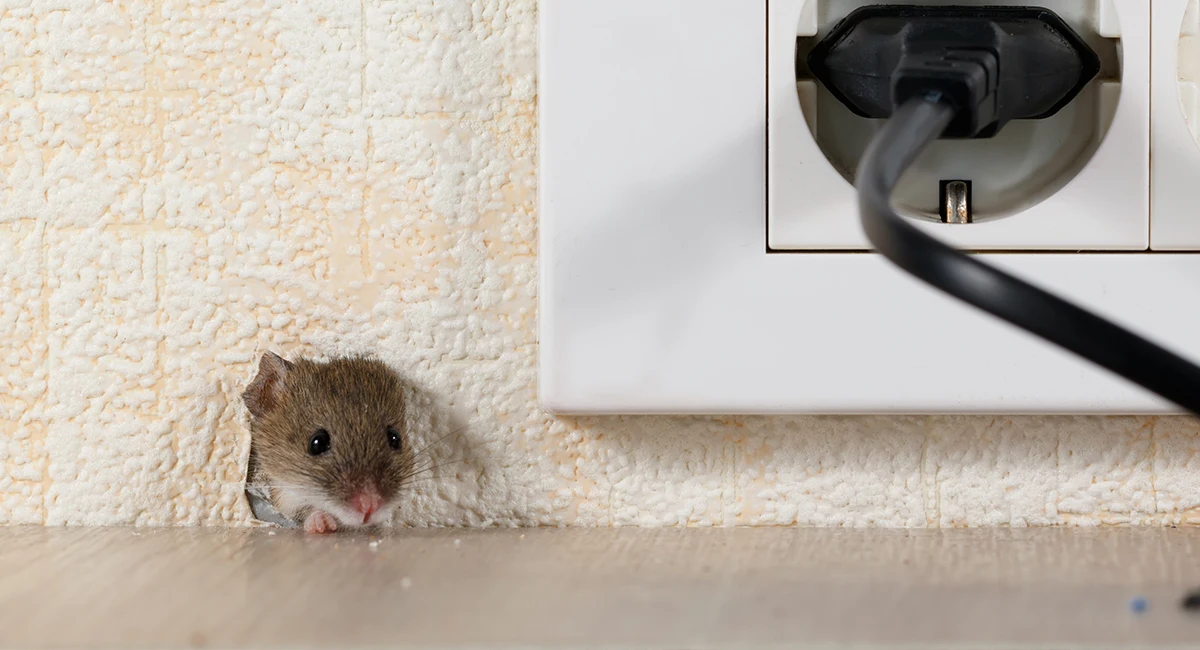
The consequences of a mouse infestation extend beyond physical health and safety to affect the operational and financial health of the business. These intangible costs can be just as damaging as the direct costs of repairs and remediation.
An office environment plagued by rodents is unsanitary, distracting and stressful. The presence of mice can significantly lower employee morale, increase absenteeism and reduce overall productivity as staff become preoccupied with the unhygienic conditions. This creates a negative workplace culture and can make it difficult to attract and retain talent.
In the digital age, a company's reputation is a delicate and valuable asset. A visible pest infestation can be disastrous. A single photo or video of a mouse in the office, shared on social media by an employee or visitor, can go viral and cause lasting harm to the brand. For multi-tenant buildings, news of an infestation can lead to tenant dissatisfaction, broken leases and difficulty attracting new occupants, directly affecting revenue streams.
Employers and property owners have a clear responsibility to maintain a pest-free environment. Failure to do so can result in severe consequences, including enforcement actions from health authorities, substantial fines for non-compliance with health and safety legislation and, in the most serious cases, forced closure of the premises.
In a pest-related incident, such as an employee contracting a disease or a fire caused by gnawed wires, investigators will require access to the facility's pest management records. An empty file or one that contains only sporadic receipts for reactive treatments will leave the business with no case for defence. Conversely, a comprehensive file that includes a documented IPM plan, regular inspection reports from a certified professional, records of proofing actions taken and all relevant safety assessments offers a strong "due diligence" defence.
The interconnected nature of these risks outlined above demonstrates that a mouse infestation is a multifaceted business crisis. An initial undetected entry can lead to a breeding population. This increases the dispersal of hazardous material on surfaces and in the air (health risk) and simultaneously increases the probability of a critical wire being gnawed (fire risk). Should an employee fall ill or a fire occur, the business faces direct legal liability, which is compounded by a documented failure to comply with statutory duties.
Therefore, considering additional risks from other pests, pest control should be elevated from a basic maintenance task to a fundamental risk mitigation function, managed with the same seriousness as fire safety and building security.
Keeping offices safe from costly pest infestations.