0808 273 1010 Get in touch Request a callback

How to prevent mice in offices

The health, financial, and reputational risks of a mouse infestation make it essential for a business to develop a comprehensive mouse control plan. Efforts to prevent an infestation and establish early detection measures will avoid the high costs of eradicating a mouse population that has been allowed to grow unnoticed. 

The discovery of a single mouse, or the tell-tale signs it leaves behind, can signal the start of a series of increasingly serious events. What begins as a seemingly minor issue can quickly develop into a public health crisis, a major fire risk from chewed electrical wiring, or cause irreversible damage to a business’s reputation. 

The vital first step is to develop an effective Integrated Pest Management (IPM) plan for the business to create an effective strategy to prevent, monitor and control mouse infestations.

Creating an IPM plan for mouse control

An integrated pest management plan is the modern standard for effective and legally defensible pest control in commercial properties. It applies a holistic, prevention-based strategy that, when implemented correctly, offers long-lasting control, improves overall building conditions and minimises risks to human health and the environment. For the facility manager, adopting an IPM framework transforms pest control from a recurring expense into a strategic facility health programme.

The four-tiered IPM process

The IPM framework is best understood as a continuous, four-stage cycle.

  1. Inspection and monitoring: This forms the foundation of any IPM programme. It involves conducting comprehensive and regular inspections of the entire facility, both inside and outside, to detect any signs of pest presence. This stage is not solely about spotting pests and their signs but also about identifying "conducive conditions"— the structural and sanitation issues that may attract them. Monitoring employs tools such as non-toxic bait blocks in tamper-resistant stations, fluorescent gel that highlights footprints, AI cameras that detect and record animal movements. Detailed logbooks are used to record pest activity levels over time, establish baseline data and evaluate the effectiveness of control measures.
  2. Setting action thresholds: An action threshold is the predetermined point at which pest populations or environmental conditions indicate that a control action is necessary. In a commercial office building, this threshold is extremely low. Due to the significant health, safety, and reputational risks, the sighting of a single mouse or the discovery of fresh droppings is typically sufficient to trigger a response. The goal is not to manage an "acceptable" level of pests but to maintain a pest-free environment.
  3. Prevention: This is the primary and most important tier of IPM. It focuses on proactive, non-chemical tactics to make the building inhospitable to pests. This involves two main strategies:
    • Exclusion: Physically blocking pests from entering the building by sealing holes, installing door sweeps, and screening vents.
    • Sanitation: Eliminating access to food, water, and harbourage (shelter) through rigorous cleaning protocols, proper waste management, and clutter removal.
  4. Control: When monitoring indicates that pest activity has exceeded the action threshold despite preventative efforts, control measures are implemented. The IPM philosophy dictates a hierarchical approach to control, prioritising the safest and most targeted methods first. This typically involves using physical methods like mechanical traps as the initial response. Chemical controls, such as rodenticides, are considered a last resort, to be used judiciously and only when other methods are insufficient, and always by certified professionals in compliance with all regulations.

Structural exclusion and proofing for offices

flexi armour colleague ground mesh

The single most effective long-term strategy for rodent control is to physically prevent them from entering the building in the first place. Given that a mouse can squeeze through an opening as small as the diameter of a pencil (approximately 6-7 mm), a meticulous and comprehensive inspection and sealing program is essential.

Building inspection and sealing checklist

  • Foundations, walls and roofs: Systematically inspect the entire building envelope for any cracks, gaps or holes. Seal all identified openings, including small ones that mice could gnaw at to enlarge.
  • Utility entrances: Pay close attention to the points where utilities enter the building. Gaps around pipes, electrical conduits, data cables and HVAC lines are common superhighways for rodents and these must be sealed with suitable materials.
  • Doors and windows: All exterior doors must be fitted with robust door sweeps to eliminate the gap at the threshold. Weatherstripping around doors and windows should be intact and well-maintained to ensure a tight seal.
  • Vents, drains and voids: Cover all exterior ventilation openings, such as those for dryers or sub-floor spaces, with heavy-gauge wire mesh (¼ inch or 6 mm mesh is recommended). Ensure floor drains have covers and that plant rooms, which often contain numerous cable and pipe routes, are thoroughly inspected and proofed.

Selection of rodent-proof materials

The choice of sealing material is vital. Mice can easily gnaw through soft materials such as wood, rubber, plastic and low-grade sealants. To ensure a durable barrier, use rodent-proof materials such as:

  • Steel wool or copper mesh: Fill gaps and holes with these before sealing, as rodents dislike chewing on these metals.
  • Wire mesh: Cover larger openings and vents with this.
  • Sheet metal (flashing): Use it to create sturdy barriers around pipes or at the base of doors.
  • Specialised sealants and mortar: Apply high-quality, pest-resistant caulk or cement mortar to seal cracks and holes permanently.

Interior sanitation protocols for mouse control

Woman cleaning counter

Once inside, mice require food and water to survive and establish a breeding population. Eliminating their access to these resources is a critical component of prevention, as even a few crumbs can sustain them.
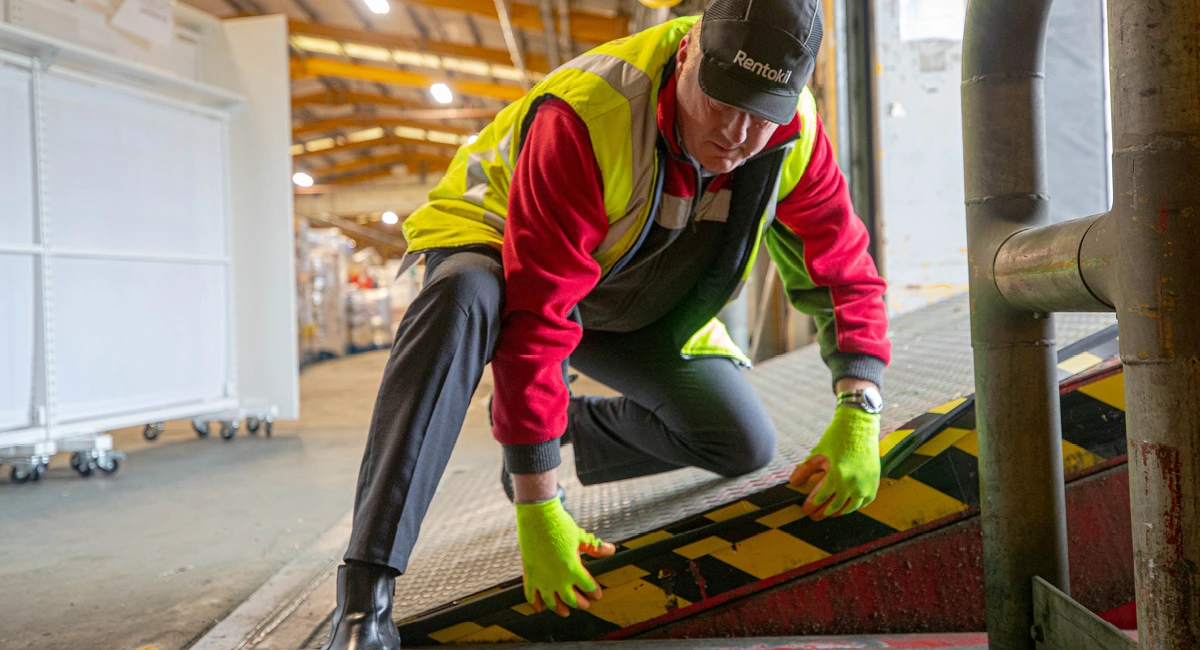
Waste management

  • Secure bins: All interior trash bins, especially in kitchens, break rooms, and food preparation areas, must have tight-fitting lids and be mouse proof.
  • Daily trash removal: Trash must be emptied daily, without exception. This is particularly crucial before weekends and holiday periods when the building is unoccupied, as leftover food waste becomes a primary attractant.
  • Exterior dumpster management: Keep exterior dumpsters and compactors clean, ensure their lids are always closed, and position them as far away from building entrances as is practical.

Food storage and handling policies

  • Clean desk policy: Implement and enforce a policy that discourages or prohibits employees from storing food in their desk drawers. Mice are attracted to snacks like sweets, chocolates, and crisps.
  • Proper food storage: Any food stored onsite, whether in a central kitchen or at individual desks, must be kept in sealed, airtight containers made of rodent-proof materials like heavy-duty plastic, glass or metal. Cardboard and paper packaging offer no protection.
  • Designated eating areas: Confine eating to designated areas like a kitchen or break room. This helps to contain crumbs and spills, making cleanup more efficient and effective.

Cleaning and clutter reduction

  • Rigorous cleaning schedule: Develop a regular and comprehensive cleaning routine for all kitchen and break room areas. This involves wiping down all surfaces, sweeping and mopping floors and cleaning behind and underneath appliances such as microwaves, toasters and refrigerators where food debris collects.
  • Immediate spill cleanup: All food and drink spills should be cleaned immediately.
  • De-cluttering: Mice thrive in cluttered environments that offer plenty of hiding places and nesting materials. Regularly remove and organise clutter like old boxes, stacks of paper and unused equipment from storage rooms, cupboards and beneath desks.

Exterior maintenance and landscaping protocols

Flexi armour

The area immediately surrounding the office building can act as a staging ground for pests, providing shelter and easy access routes. Proper landscape management is, therefore, a crucial, though often overlooked, aspect of pest prevention.

Vegetation and debris management

  • Trim landscaping: Keep grass mown and regularly trim overgrown vegetation, shrubs and ivy. Pay special attention to trimming back any tree limbs that touch or overhang the building, as these can serve as bridges for mice to access the roof and upper floors. Eliminating dense ground cover removes hiding places and makes rodents feel more vulnerable to predators.
  • Remove clutter and debris: Store items like firewood and unused equipment away from the building's foundation. Remove any piles of leaves, junk or construction debris that could provide harbourage for rodents.

Creating a hostile perimeter

  • Gravel barrier: Consider installing a gravel or crushed stone strip, approximately 30 inches to 1 meter wide, around the entire perimeter of the building. Rodents dislike travelling across open, exposed areas, which can significantly deter them from approaching a building.
  • Water source elimination: Mice need water to survive. Routinely inspect the building exterior for and repair any sources of standing water, such as leaky faucets, clogged gutters or puddles from HVAC condensation units.

Effective prevention is a system of interconnected actions and a shared responsibility. The facility manager is responsible for structural proofing, the cleaning crew for sanitation, the landscaping contractor for exterior maintenance and individual employees for their personal workspaces. A failure in any one of these areas can compromise the entire program. 

Therefore, the facility manager's most critical role is to perform their own tasks and act as the system architect — coordinating, communicating and educating all stakeholders to ensure every part of the defensive system works in concert.
The signs of mice

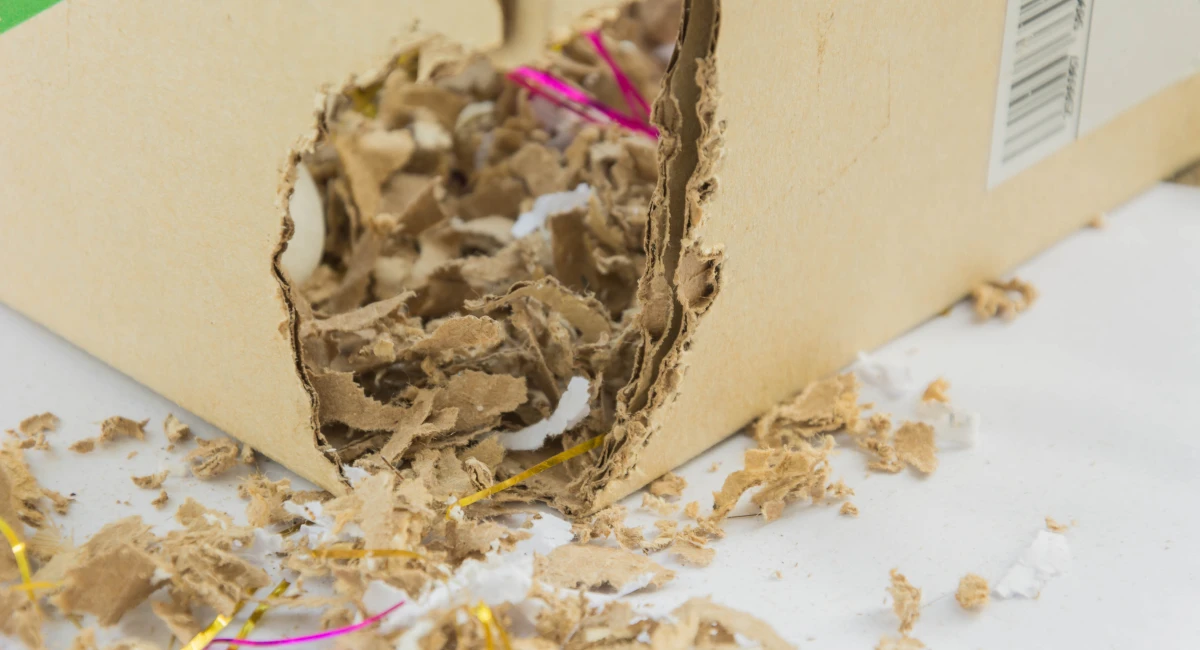
Gnaw marks

Effective management of a mouse infestation starts with early detection. Acting before the population becomes deeply established is vital to reducing risk and expense. Facility managers and their staff must be trained to recognise not only the direct signs of mouse activity but also subtle indicators that point to their presence. When interpreted correctly, these signs do not just confirm an infestation; they help create a "behavioural map" of the mice's activities within the building, offering valuable information to plan an effective response.

These are the most common and definitive indicators of an active mouse infestation. Their discovery should trigger an immediate response by the business.

  • Droppings: Mouse droppings are the most common sign you'll see. They are small, usually 3-6 mm long, dark and pellet-shaped, often compared to a grain of rice. You can find them in places where mice feed, nest, or move around, such as in drawers and cupboards, around food packets, under sinks and along skirting boards. The condition of the droppings can tell you how active the infestation is: fresh droppings are dark and moist, while older ones are dry, grey and crumble easily. A group of droppings often indicates a nearby nest or main feeding area.
  • Gnaw marks: Evidence of gnawing is another clear sign. Mice gnaw on a wide range of materials, including food packaging, furniture, pallets, and structural elements like door frames and skirting boards. The gnaw marks left by mice are small and fine, appearing as paired grooves. Gnaw marks are particularly worrying when found on electrical wires or data cables, as they pose a serious fire risk. They are also often present around small holes or cracks where mice try to enlarge them for entry.
  • Nesting materials: Mice build nests in dark, secluded and undisturbed areas, such as in wall voids, suspended ceilings, attics and behind or within large office equipment or appliances. They are resourceful builders and will use any soft, shreddable materials available, including paper, cardboard, fabric and building insulation. The discovery of such a nest clearly indicates a breeding population.
  • Grease marks (rub marks): As mice move around, the oils and dirt from their fur leave greasy smears on the surfaces they repeatedly brush against. These marks appear as dark smudges along walls, skirting boards, pipework and around entry holes. The darkness of the stain indicates the level of traffic on that route, providing a clear map of their preferred runways. This information is invaluable for pest control professionals in determining the optimal placement of traps and monitoring devices.
  • Foul odours: An established mouse infestation produces a distinctive and unpleasant odour. This is often described as a stale, musty or ammonia-like smell created by their urine. Mice use urine for scent marking to communicate and define territory, so this smell can be strong in areas of high activity or near nests.
  • Distinctive noises: In quiet periods in an office, especially after hours, it is often possible to hear the sounds of an infestation. These can include faint scratching, gnawing or scurrying noises coming from within walls, above suspended ceilings or in duct systems. These sounds are a clear sign that mice have found harbourage within the building's structure.
  • Urine pillars: In cases of a heavy, long-standing infestation, a unique phenomenon known as urine pillars can occur. These are small mounds formed from a combination of mouse urine, grease, dirt and body hair that build up over time in areas of high activity. Their presence signifies a significant and chronic problem.

From prevention to control

By gathering various types of evidence, a facility manager can shift from basic sign-spotting to strategic intelligence gathering as part of the IPM plan. For instance, observing gnaw marks around a hole where a utility enters an exterior wall indicates a likely entry point. A trail of grease marks leading from that point along a skirting board reveals the main travel route. A concentration of droppings in a nearby kitchen cupboard pinpoints the food source, while scratching sounds from the adjacent wall void imply the nesting site.

When mice are detected, it signals the need to implement the next stage of the IPM program, which is controlling mice. For businesses, it is best to contact a professional pest controller, who will have the most effective tools and methods and can ensure all legal requirements are met.

Pest control services

Keeping offices safe from costly pest infestations.

  • Our digital pest management systems monitor constantly, react instantly and report directly
  • We employ advanced solutions, such as our RADAR mouse traps
  • Delivering global consistency for global businesses
Find out more

Related posts