Rentokil and Terminix are joining forces to serve you even better!

1-855-633-6260 Call us for a free quote Contact us

Spider species

Spiders can be unpleasant to look at and their webs can cause a mess if they infest your business, possibly doing reputational damage. From common house spiders to black widows, here is some information on some of the most common spiders in the United States.

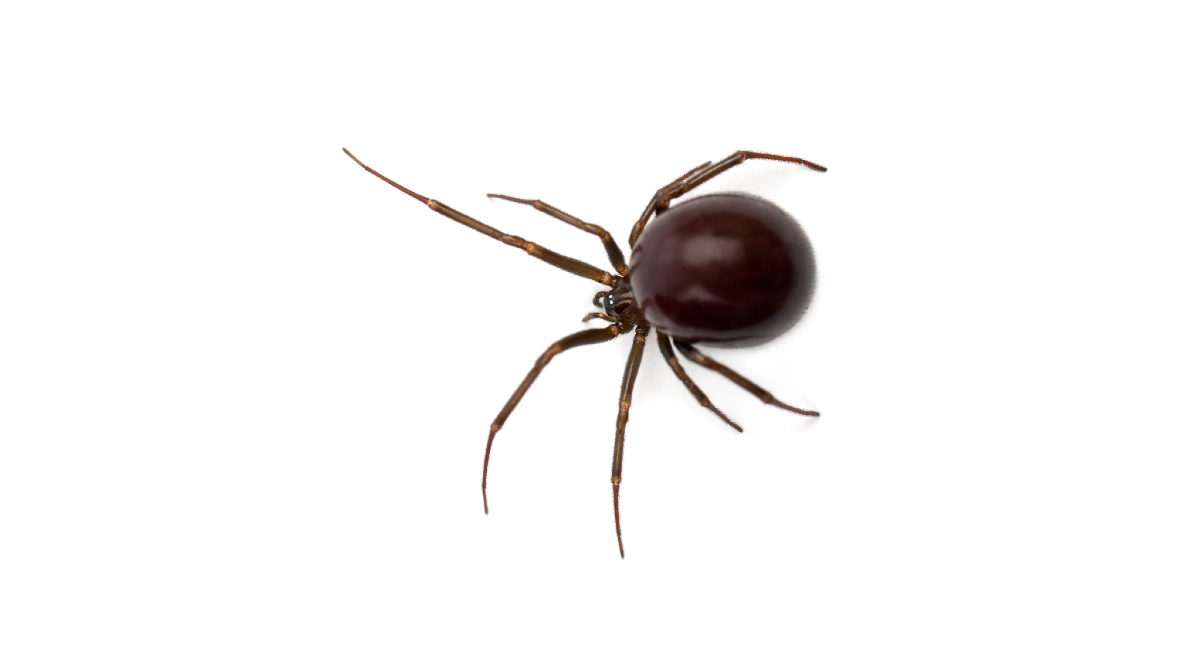
Black widow spider

Black widow spider

(Lactrodectus hesperus)

  • Color: Primarily black – 2 reddish triangular markings on the underside of the abdomen, usually joined to form an hourglass-shaped figure
  • Length: 1 ½”-1 ⅜” (females are larger than males)

  • Females can produce multiple egg sacs without subsequent matings, each containing hundreds of eggs
  • Can live for 1-3 years

  • Black widows like dry, dark spaces. Outdoors, that may be in a pile of firewood or under a deck. Indoors, they are typically found in seldom used parts of garages, basements and in crawl spaces.
  • Males rarely bite. Females may bite in defense of her eggs. Fatalities from the bite are rare, however, pain can continue for 1-3 days after the bite.
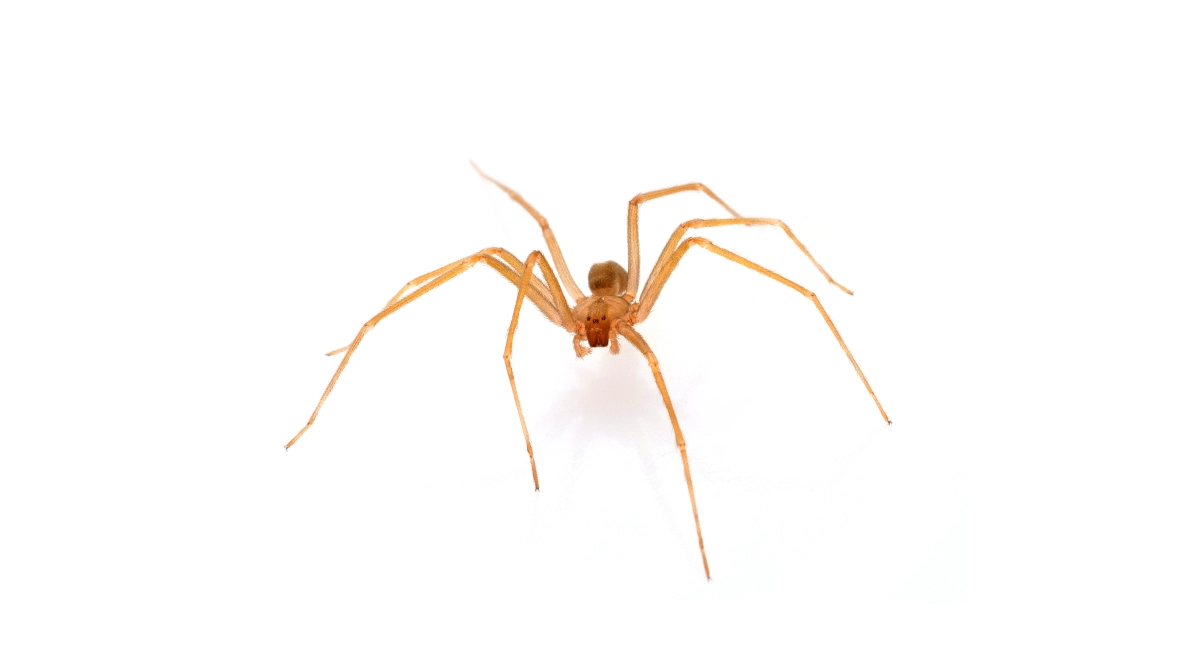
Brown Recluse spider

Brown Recluse spider

(Loxosceles reclusa)

  • Color: brown or deep yellow with violin-shaped marking pointing from the head area toward the abdomen
  • Length: ¼” - ¾” 
  • Eyes: six pairs of eyes on its head

  • Eggs are laid primarily from May to July.
  • The female lays about 50 eggs in a small, off-white sac.
  • Spiderlings emerge around one month after eggs are laid and reach the adult stage in approximately one year.
  • Adults can live 1-2 years.

  • They prefer hiding in secluded, dark, sites indoors or outdoors. Indoors, they may be found in attics, basements, closets, ductwork, storage boxes, or behind furniture. Outdoors, they may be found in barns, storage sheds, garages, under logs, loose stones and stacks of lumber.
  • They only bite when crushed, handled or disturbed. Both sexes are venomous. A human’s reaction to the bite depends on the amount of venom injected and an individual's sensitivity to it - some people are unaffected, others may feel a stinging sensation followed by intense pain. Some may not be aware of the bite for 2-8 hours.
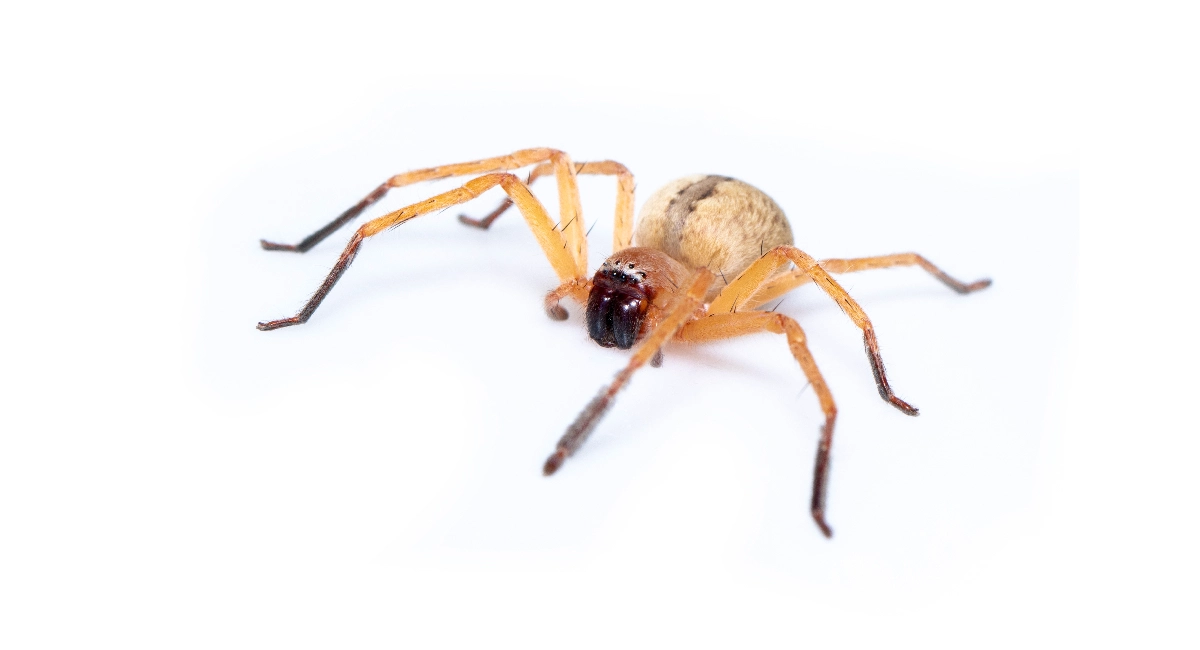
Common house spider

Common house spider

(Parasteatoda tepidariorum)

  • Color: Yellow-brown body with faint markings and pale grey-brown abdomen with short hairs
  • Length: ¼” - ⅜” (excluding legs)

  • The egg sac produced by the female is spherical, covered with a layer of silk and placed within the web structure.
  • The male will mate several times with the female before dying.
  • Adults may live for several years.

  • Found in buildings, sheds, gardens, attics, barns, sheds, and any other type of man-made structure
  • Diet consists of insects like flies, mosquitoes, cockroaches, ants and more
  • Produces a sheet web
  • Rarely bites humans
Huntsman spider

Huntsman spider

(Delena spp, Holconia spp, Neosparassus spp, Olios spp)
  • Color: Mostly brown, black and grey but can be a variety of colors and patterns
  • Length: 3-5 inches (including legs) 
  • Legs: Shorter back legs allow them to walk forwards and sideways, like a crab

  • The female Huntsman produces a flat, oval egg sac containing over 200 eggs. She then places it under bark or a rock and stands guard over it, without eating, for about three weeks.
  • When it’s time to hatch, the mother spider opens the egg sac to help her spiderlings out, possibly staying with them for several weeks.
  • The lifespan of most Huntsman species is about two years or more.

  • Found nationwide on tree trunks, beneath stones or in cracks and crevices
  • Eats a variety of insects, arthropods, small lizards and frogs after actively stalking and running them down with stealth and speed
  • Poisonous to humans but not fatal
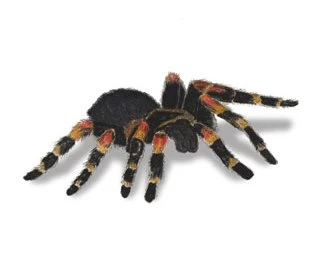
Tarantula

Tarantula

(Genus aphonopelma)

  • Color: Usually black or brown and hairy
  • Length: 2-5 inches (including legs) 
  • Eyes: Eight eyes in two groups on forehead

  • Tarantula mating season is in autumn. 
  • Incubation takes 6-9 weeks, with each female producing 500-1000 eggs into a silk cocoon. 
  • The young leave their burrow after 2-3 weeks.
  • Their lifespan is 25-40 years.

  • Prefer to live in dry, well-drained soil where they dig a burrow or utilize one that was created by another animal
  • Relatively harmless to humans
  • Do not use webs to catch prey, but use the silk to construct shelters and gain traction on surfaces
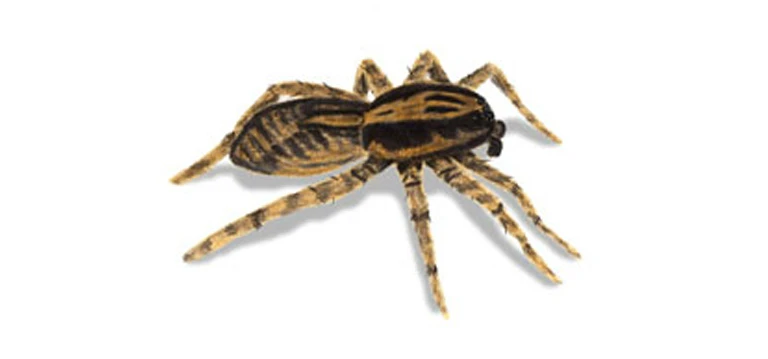
Wolf spider

Wolf spider

(Trochosa ruricola)

  • Color: Generally brown to grey
  • Length: ¼” - 5/16”

  • Wolf spider mothers carry their egg sacs around with them attached to spinnerets under the abdomen.
  • When the young spiderlings hatch, they climb onto their mother's back where they live for the first few weeks of life.
  • Males usually only live for one year, while females can live for several.

  • Live in shallow burrows with open and unadorned entrances
  • Hunt at night but spend the day hidden amongst moss and decaying matter
  • Diet includes most ground-dwelling insects and other spiders
  • Venomous but not poisonous and rarely bite humans

Spider control

Learn more about how to get rid of spiders and prevention tips here

Get in touch

Hobo spiders

These spiders create unsightly webs around buildings and vegetation. Here's what you should know about them.