PestNetOnline
Login© 2026 Rentokil Initial plc and subject to the conditions in the Legal statement
Dealing with pests has always been a headache for both homeowners and businesses. As the world changes, so do the pests that invade our spaces, making it trickier to manage infestations. Nowadays, we’re up against determined pests who have learned to fight back against many of the old ways of getting rid of them. That’s why fresh ideas in pest control technology are super important! We need these innovations to continue to tackle the pesky pest challenges we face.
When people were just starting to figure out pest control, they didn't have all the answers that we do now. They tried everything from simple traps to using natural solutions, learning as they went. It was a bit messy but essential in paving the way for the innovative pest management techniques we use today.
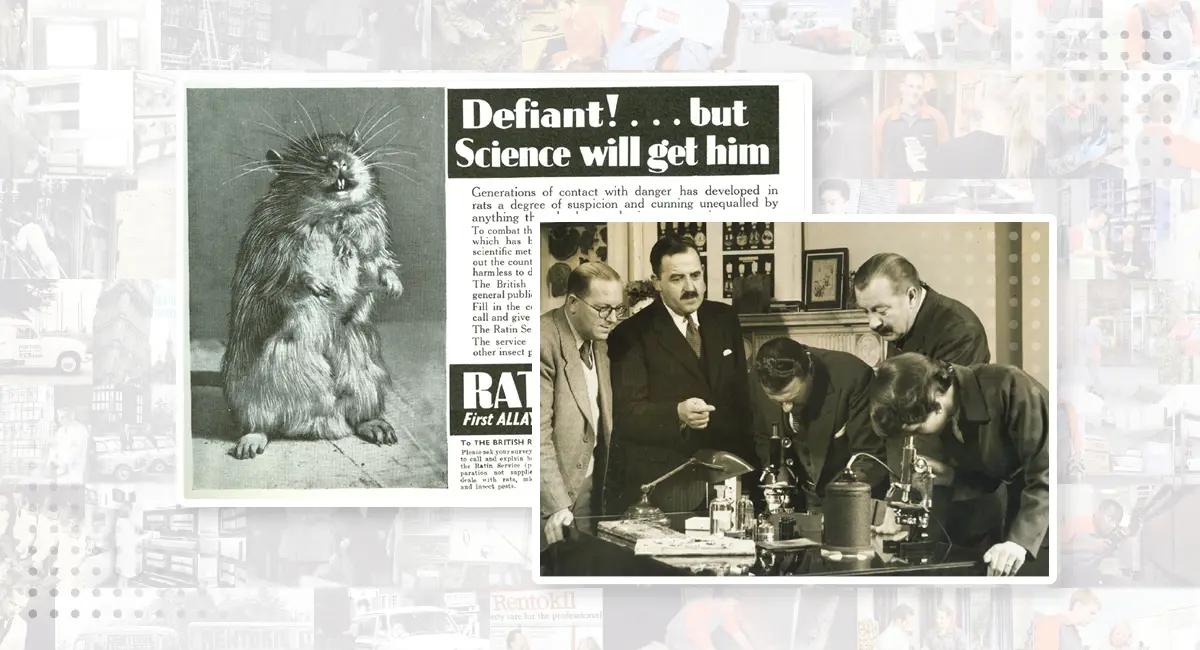
A century ago, pest control was a blend of simple tools and early chemicals. Small businesses relied on physical traps as their primary defense against rodents. While these labor-intensive methods were essential, they often proved ineffective for large infestations. As the years went by, chemicals began to emerge in pest control, but they usually disappointed; many were dangerous and lacked effectiveness, leaving people seeking safer solutions.
The industry shifted during World War II as biological controls gained traction. Innovative thinkers started to experiment with different bacteria to target pests. Though understanding was limited, these early attempts hinted at a more scientific approach that would help pave the way for the future of pest control.
Early pest control methods were often creative but sometimes dangerous. A common "solution" for bed bugs involved placing a candle under metal bed frames, which can be a major fire hazard. Rodent control relied on tracking moths (erroneously thought to be attracted to decaying rats) or using terriers to chase rats into nets, methods that were labor-intensive and inefficient. These quirky and sometimes risky practices show the limitations of past pest control and the importance of modern, scientifically-driven pest control technology innovations for safer and more effective solutions.
Rentokil Initial, the parent company behind Rentokil, is celebrating 100 years of pest control expertise. To give you a peek into how things have changed, we have a video with Rentokil Initial’s Principal Entomologist, Dr. Matt Green, and Head of Science, Dr. Andy Brigham, reminiscing about some of the more… creative pest control methods of the past.
Let's talk about how pest control got smart. The introduction of chemical pesticides was a huge turning point for pest control. DDT(dichlorodiphenyltrichloroethane) was launched in the mid-20th century, and it quickly gained fame for its ability to wipe out pests with impressive speed. However, the excitement didn’t last long. People soon realized these chemicals could harm the environment and even affect human health. So, while they were excellent at eliminating pests, their side effects were hard to overlook.
For ages, we'd been using clever tricks, but real progress came when science stepped in. Let’s explore some of the game-changing innovations that brought pest control into the modern age.
Rodent management got a major upgrade with the arrival of anticoagulant bait. Before this innovation, pest control professionals had to outsmart rodents with non-toxic bait before they could use the lethal stuff. Now, with anticoagulants, the game changed completely. These baits would take a few days to kick in, meaning rodents wouldn’t notice they were in danger until it was too late.
When it came to dealing with stubborn cockroaches, the industry moved away from blanket spraying methods. Instead, targeted bait treatments became the go-to solution. These targeted strategies proved to be not only safer but also more budget-friendly, making it easier to tackle cockroach infestations.
Genetic engineering also transformed pest control by reducing the use of chemical pesticides. Scientists can alter the DNA of pests and crops to create plants that naturally repel insects. This means farmers can grow healthier crops without drowning them in chemicals, making the food safer for us and better for the environment.
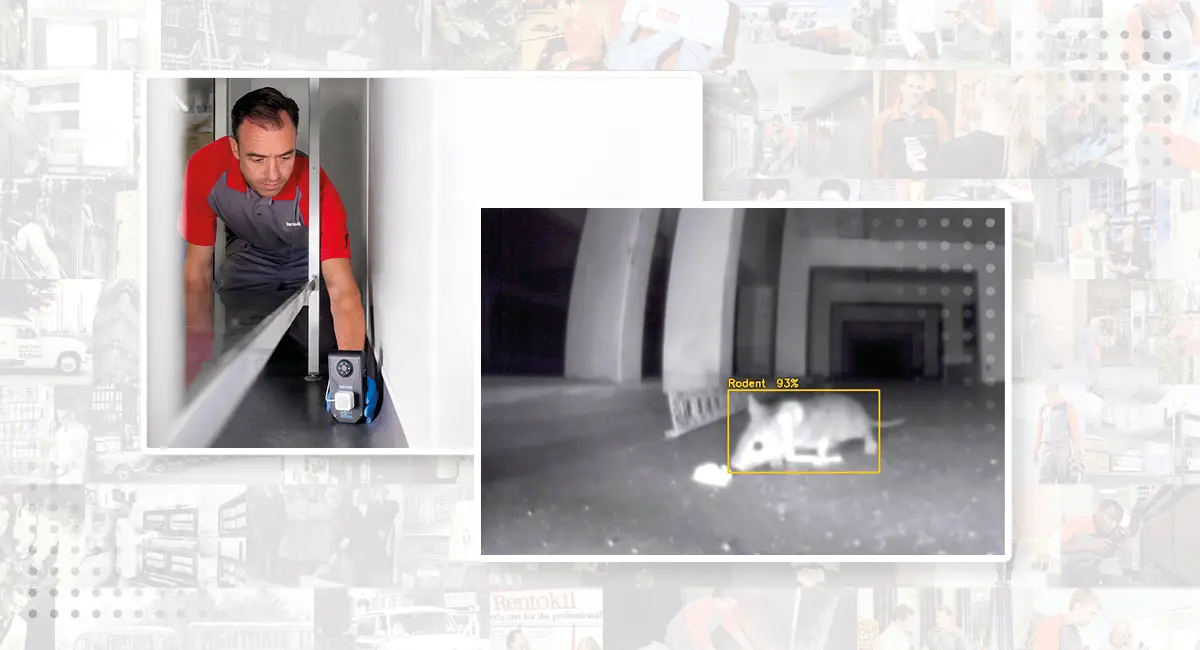
Pest control has changed a lot over the years, and the focus now is on being smarter and kinder to the environment. Gone are the days when pesticides were sprayed all over without thinking about their effects. Today, we have a much more thoughtful approach that emphasizes sustainability and targets prevention rather than just elimination.
One of the biggest shifts is towards Integrated Pest Management (IPM). This means we’re looking for long-lasting solutions to keep pests away instead of just eliminating them as they pop up. Alongside this approach, eco-friendly options have also entered the scene. New pesticides are being developed to be less harmful to the environment and safer for people, complementing IPM strategies for more sustainable pest control.
Thanks to technology, monitoring and controlling pests has become much easier. We can monitor pest activity in real-time with innovations like AI and Internet of Things (IoT) devices. Smart devices can now alert pest control professionals the moment rodents are detected. This quick response means they can tackle the problem at its source before it becomes a larger issue.
Advances in rodent control technology and exclusion methods make keeping these pests out of our spaces easier than ever. With better traps, barriers, and monitoring, we’re not just fighting pests; we’re preventing them from becoming a problem in the first place.
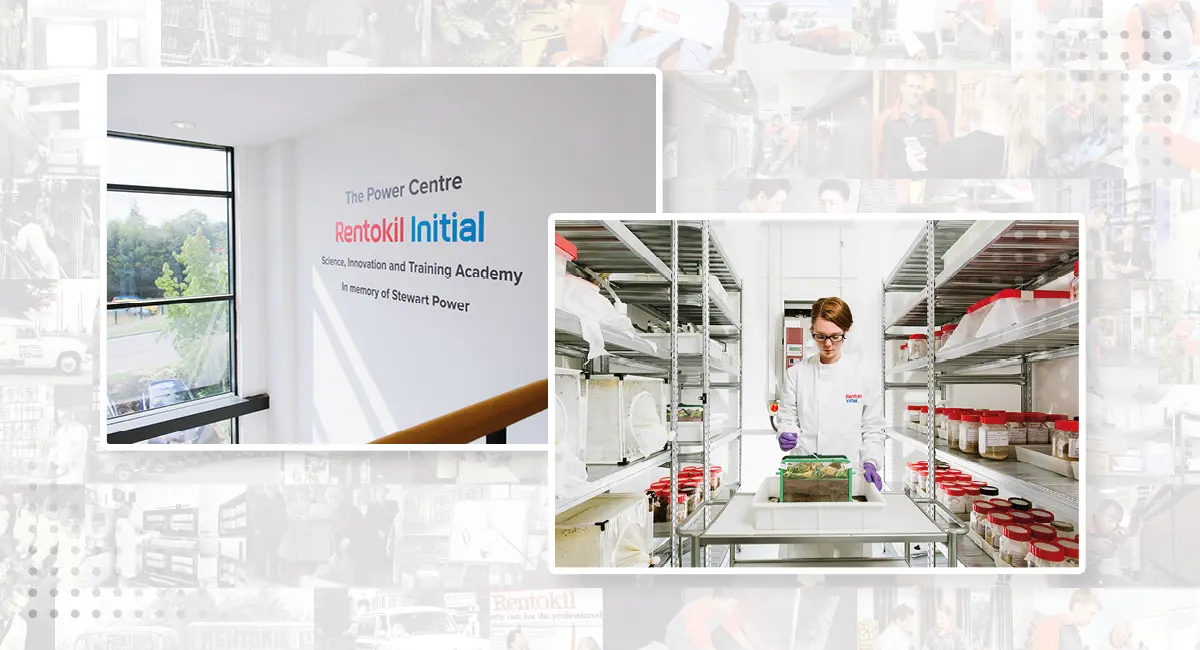
The future of pest control is all about precision and proactivity. Pest control has changed dramatically over the last century, evolving from basic traps and chemicals to AI-driven pest prediction and targeted treatments. This evolution has been driven by ongoing challenges, like pesticide resistance and environmental impact. As we learn more about pests and their ecosystems, innovations in pest control technology will keep improving how we manage pests. However, even with these advancements, technology alone isn't the complete answer.
Public awareness and education are essential components of effective pest management. Informed communities are better equipped to help prevent infestations and understand the risks pests pose, empowering them to take proactive steps. Looking ahead, we predict even more integrated approaches, combining technology with good old-fashioned know-how. Here's to the next 100 years of innovation, education, and keeping those pests at bay!