PestNetOnline
Login© 2026 Rentokil Initial plc and subject to the conditions in the Legal statement
When temperatures begin to drop below freezing and you start noticing the nuisance pests that made appearances around your business all summer have started to vanish, you may have asked yourself, “Where did they go?” Did they freeze and die off? Hibernate? Migrate to a warmer, livable climate? The answer is all of the above and more. There are thousands of pest species and each handles the winter weather differently. So what happens to pests like rodents, wasps, bed bugs and ants in these colder months? Read on to find out.
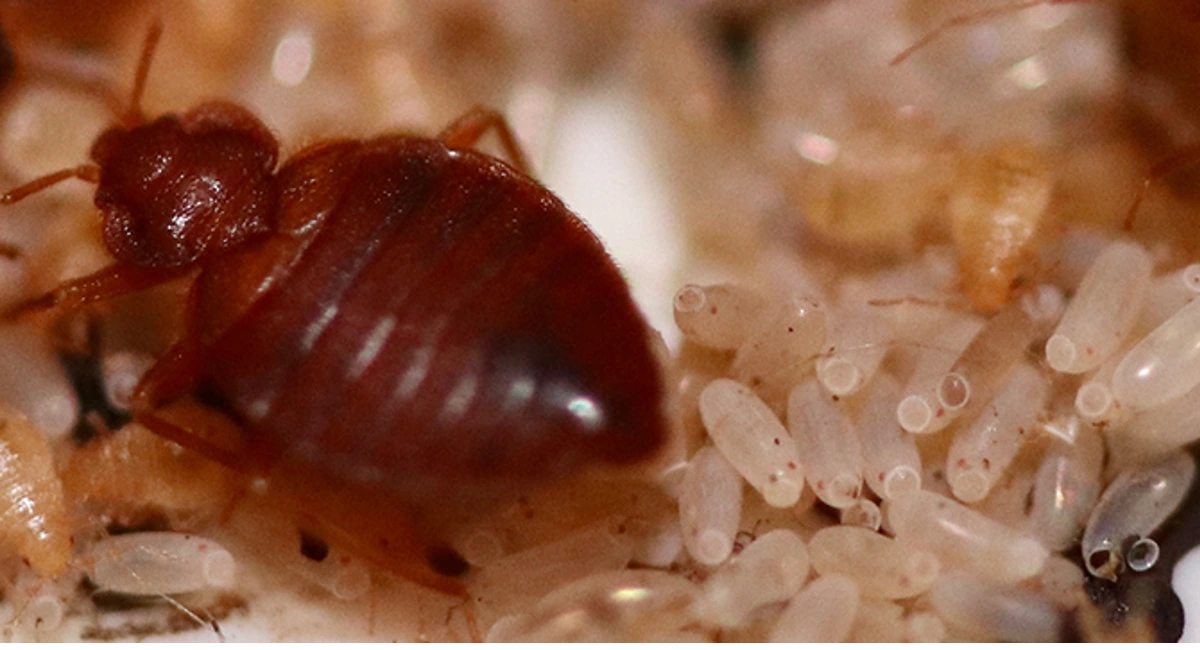
Unfortunately, bed bugs belong to the category of pests that do not take a seasonal break from terrorizing commercial properties like hotels and educational institutions. Since bed bugs live primarily indoors, the warmth inside matched with the food source of populated buildings gives them everything they need to survive the winter. In addition, bed bugs can go several months without eating. Although bed bugs remain alive and mobile in the wintertime, the good news is that there is a lower risk of an infestation. This is primarily due to the fact that bed bugs are more active in the summer months. Bed bugs can survive for a short time in cold weather, but they don’t like the cold and are less likely to hitch a ride with someone going from place to place. Rather, they’d prefer to stay planted in a safe and warm place they’ve already infested.
.2025-05-09-09-00-16.webp)
Like bed bugs, mice and rats do not go into hibernation in the winter months, remaining active year-round. When it starts getting cold, they begin eating large quantities of food in order to maintain a warm body temperature to survive the frigid temperatures. Rodents then seek out warmth and shelter by either digging burrows in the ground or making their way into outdoor shelters and commercial properties. Even the most advanced buildings are vulnerable to a rodent invasion due to the highly intelligent nature of rats and mice. They are even able to memorize routes they have navigated and work together to find food, water and shelter in your business.
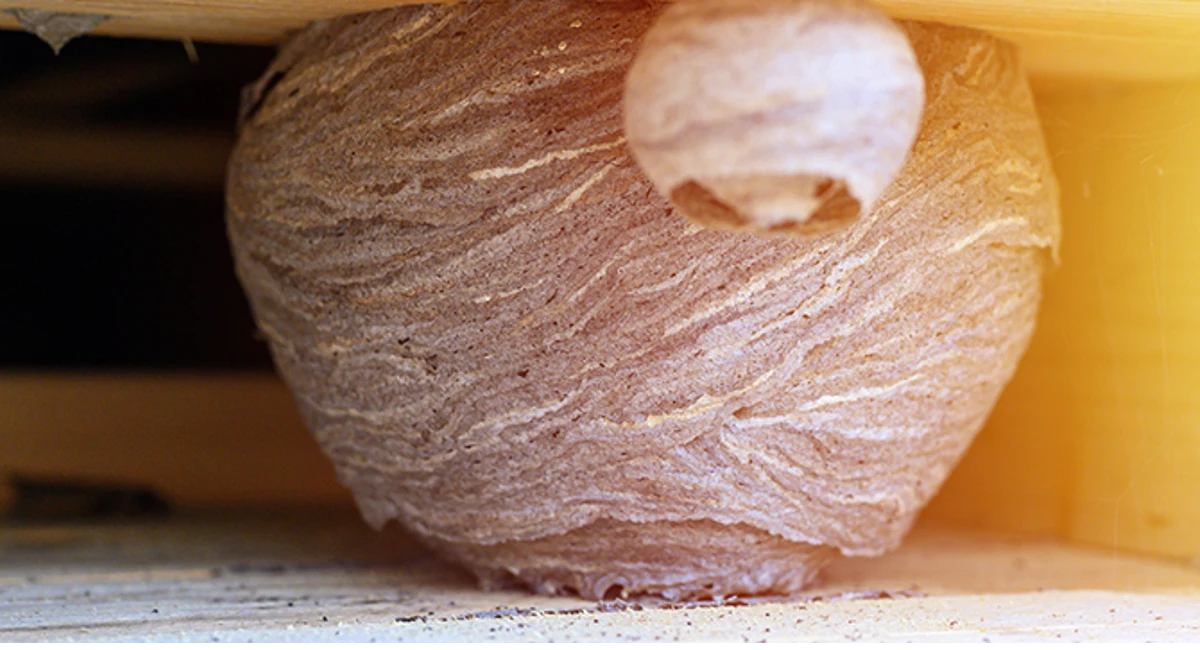
It’s rare to see a wasp buzzing around your business in the wintertime due to the fact that that many start to die off when the first frost comes. However, newly born female wasps that will become queen wasps the following year, remain alive. This is why it is not impossible to find species such as yellow jackets and paper wasps hiding in undisturbed locations. Places such as attics and other cracks and crevices in your building make ideal hibernation spots in which to hide out until springtime.
.2025-05-09-09-00-16.webp)
Most ant species are overwintering arthropods that lay low and brave the harsh winter weather through a dormancy phase. Unlike some other pests, ants do not fall into a deep sleep in the winter. Instead, they make their way indoors or rest several feet deep into the soil where temperatures are more consistent and the elements cannot affect them. Since ants are cold-blooded, they require warmth in order to survive freezing temperatures without eating. This can cause them to make their way indoors before or after dormancy where they can seek harborage in your business.
Although pests may become less active during the winter, those seeking refuge from the harsh winter weather are still a major threat to your business. The good news is there are steps you can take to pest-proof your commercial property to protect your customers, staff and brand reputation including:
The experts at Rentokil can work with you to design an integrated pest management program that is customized to address the specific risks of your business and remove the threat of pests. Our Specialists offer a range of exclusion methods that can keep pests from invading your property this winter.
To reach Rentokil in the US, contact us at 800-837-5520 or via our online contact form.
For Rentokil in Canada, please call 866-536-2533 or fill out our online contact form.