PestNetOnline
Login© 2026 Rentokil Initial plc and subject to the conditions in the Legal statement
Is your hotel at an increased risk for bed bug activity this holiday season? The chances are, it might be.
Pest management industry research has shown that pest control operators have seen service frequency for these biting, blood-sucking pests increase this year, with bed bug activity doubling since last summer. However, summer isn't the only time bed bugs are active. Hotel operators who are only implementing preventative bed bug measures during warm weather months may be leaving their properties open to risk.
Bed bugs are a year-round threat to hotel properties. They are hitchhiking pests that are introduced to properties on people and their belongings. Over the last several years, reports of bed bug encounters in airports, on public transportation, at schools and colleges, at movie theaters, and even in offices have ticked up. When travelers arrive at your hotel, they could unknowingly be bringing bed bugs from any of these places with them.
Any time travel spikes, the chances of a bed bug problem developing increase. With the holiday season upon us, this is no time to let your bed bug guard down.

According to Statista, hotels showed decreased occupancy rates for November and December 2020, likely due to an uptick in COVID-19 cases. While not equal to the pre-pandemic peak occupancy rates, hotels have already experienced increases over the past year as travel restrictions have lessened.
According to Rentokil’s own data, Rentokil saw a 148% increase in bed bug activity in January and February 2021 compared to the earlier months of 2020. These upward trends mean more guests will be coming through hotel properties in the winter months, as well as the increased risk of a bed bug introduction during this season.
The big dilemma for this holiday travel season is recent reports that indicate reduced room cleaning protocols that may be here to stay as hotels across the country look for ways to save money and overcome staff shortages.
If bed bugs can be introduced to a hotel at any time by anyone, it might seem like hotels are fighting a hopeless battle. What EXACTLY can a hotel do to avoid bed bug incidents?
Unlike summer, when travel is constant over the course of weeks, peak hotel occupancy periods in November and December can be more hit or miss, based on the location of the property and holiday travel patterns. For example, the days leading up to Thanksgiving might bring increased bookings for some properties, especially those along major travel thoroughfares. Or, hotels in large cities may see occupancy spikes between Thanksgiving and the December holidays as tourists visit to see the sights and visit attractions bedecked for the holiday season.
Other trends may be more predictable, such as New Year's Eve, when many properties see increased booking ahead.
Look at your chain or individual property's occupancy trends in November and December for the last 2 to 3 years. Is there a pattern? If so, think about scheduling a bed bug inspection with your pest management provider ahead of the trend. This can help you catch any potential problems before guests arrive.
Visual inspections can be conducted by any pest control provider, which involve a technician visiting each room designated and performing a check of high-risk areas for signs of bed bug activity. While incredibly accurate, this method is time and labor-intensive. Select pest control providers can also offer canine inspections, which use specially trained and certified animals to detect and alert to the presence of bed bugs. This is a discreet, accurate, and efficient way to perform inspections.
With lower occupancy rates in winter months, some operators might think that unoccupied rooms or infrequently occupied rooms would be free of bed bug activity. But that would be a mistake.
In the absence of a human host, however, bed bugs can go into a state of dormancy. In fact, various research done on bed bugs has shown that at average room temperatures, bed bugs can survive for up to 2 to 3 months without feeding. Any bed bugs present can "wake up" when human hosts are in proximity again.
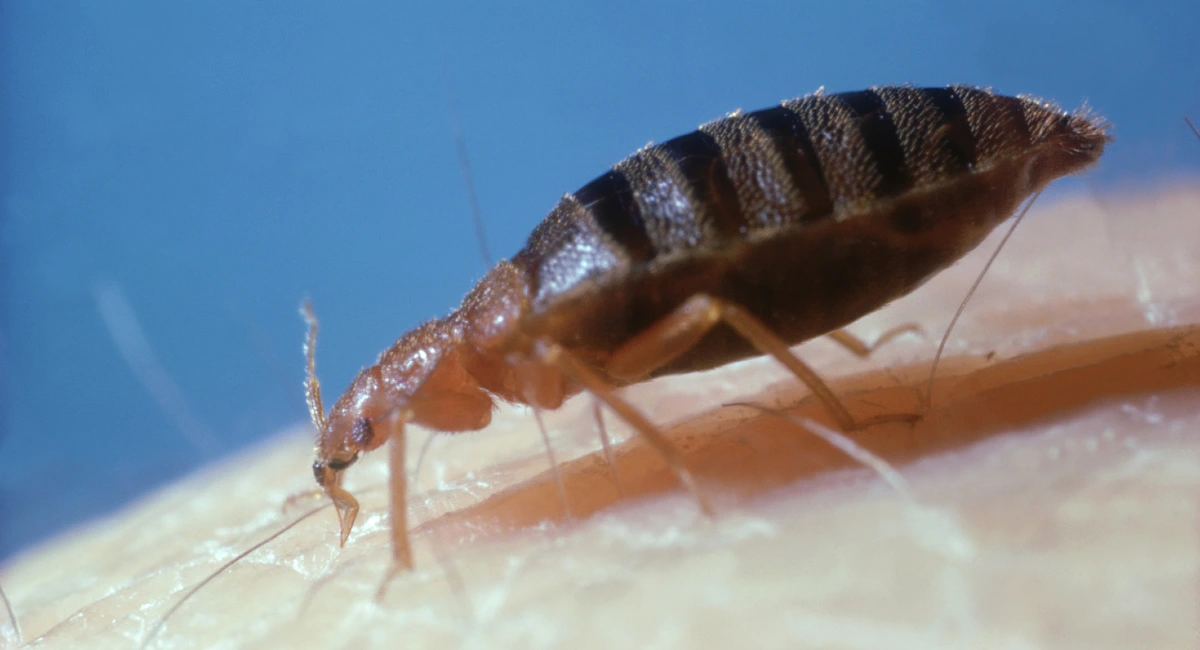
Although they can go into that hibernation-like state, a hungry bed bug isn't averse to traveling for a meal.
While they are certainly experts at hitching a ride on people and belongings, freeloading isn't the only way that bed bugs can get around. Bed bugs are expert crawlers and they move pretty quickly. Research has shown that a bed bug can move a little over three feet in a minute.
If an unoccupied room isn't offering up a meal, a bed bug may be attracted to the warm, cozy temperatures and guests in an occupied room. In particular, rooms next door to, and above and below rooms with activity may be at heightened risk.
.2025-05-09-09-00-16.webp)
Your staff is your first and best line of defense in spotting potential bed bug problems. In the course of their daily responsibilities, housekeeping and maintenance staff can help by doing quick spot-checks for bed bug activity. Don't forget to use them.
Specifically, staff members should take note of the following and immediately report any concerns to their manager.
If there's one thing that can safely be said, it is that no one wants the unexpected gift of an encounter with bed bugs as they are traveling this holiday season.
Protect your customers – and your brand – from bed bugs by ensuring that you have a bed bug defense plan in place year-round, even in off-peak travel months. Have your property routinely inspected, and schedule those inspections ahead of peak holiday travel times as an extra defensive measure. Finally, be sure that your staff understands bed bug behavior, the signs of a potential bed bug problem, and how to report a potential issue. With these simple steps, you can reduce the chances of a bed bug issue at your property.