PestNetOnline
Login© 2026 Rentokil Initial plc and subject to the conditions in the Legal statement
As summer ends and the cooler temperatures begin to set in, we begin to prepare for the first frost. But we're not alone. Many insect pests take this time to get prepared for the colder months ahead as well. Outside weather conditions will soon become adverse to their survival, and they need somewhere to go.
Now is the perfect time to protect your business from being a winter harbor for pests. Contact Rentokil today to find out more about preparing for the upcoming season.
Although overwintering isn’t a common term that you use in a sentence, it is a very common survival tactic used in nature by both pests and plants. As defined by Merriam Webster, overwintering is a verb meaning to last through or pass through the winter. Pests have a biological instinct to self-preserve until more favorable weather returns.
Although survival is ingrained in all living beings, overwintering tactics can be very different from one species to another. Some adult pest species die when it is cold. To carry on their legacy, they lay eggs that will overwinter and hatch the following spring.
Others will pass through winter in the immature development stage - as larvae or nymphs. These insects seek a place deep into leaves, soil, or even beneath sheets of ice to survive the winter.
And finally, there are the insects that survive the winter as adults. But in order to do so, they need to find shelter in which to overwinter. Very often, they prefer to harbor inside buildings. These overwintering pests are different from structural pests such as ants, cockroaches, bed bugs, and rodents since they don’t reproduce, feed or develop indoors.
Since they don’t damage structures or present a threat to humans, such overwintering pests are typically seen as more of a nuisance.
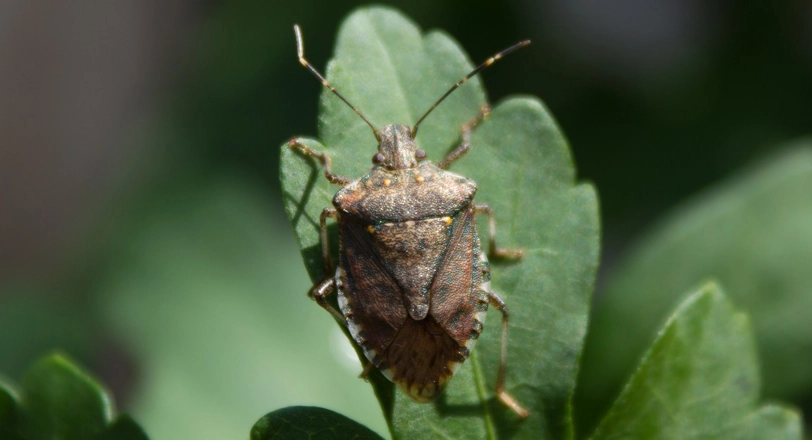
Some of the pests classified as overwintering pests include, but are not limited to, the following:
Guided by cooler evenings and changes in daylight in late summer, these pests know when winter is approaching and will try to get indoors right before the first frost of the year.
Rentokil’s commercial customer data from 2017-2018 reflects this natural behavior, showing that overwintering pests are more active indoors between September and April. The data also shows that the industries in which they are found in larger numbers are Multifamily, Pharmaceutical, Manufacturing, and Food Processing.
The first sign of overwintering pests at your facility may occur when insects flock to the sun-warmed walls of buildings, looking for ways to enter. These insects typically arrive in large numbers - hundreds or even thousands - so they are highly visible to customers, visitors, and employees. Like other insects, overwintering pests search for any structural gaps and openings that permit access behind exterior walls. Their presence is a warning that other pests could also get inside.
As people generally don’t differentiate overwintering pests from other pests, their presence can be a threat to your business. Misidentification of the pests as more harmful species (i.e. cockroaches, flies, or bed bugs) may create a negative impact on your brand and on customer and employee experience.
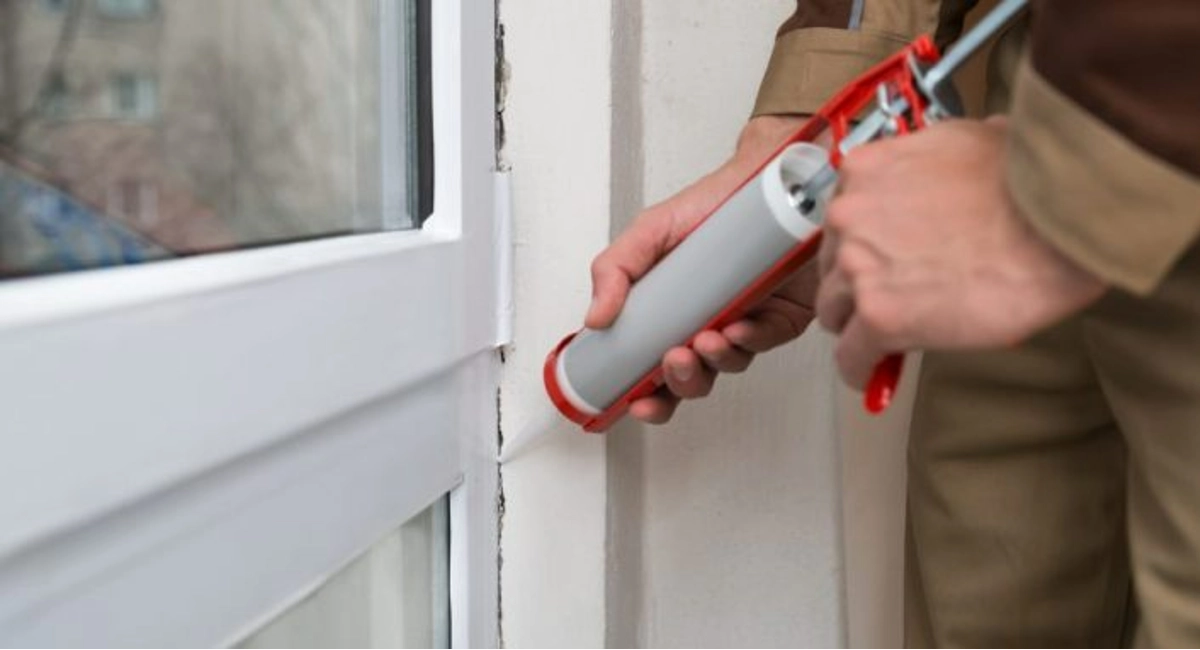
The best way to control overwintering pests is by putting in place methods to prevent them from entering buildings. Some of the steps that you and your staff can take to keep them outside include:
If you have noticed a moderate or severe presence of overwintering pests at your business, we recommend you get help from a professional pest control expert. Be aware that you may see these pests again later in the season when spring comes. The warm temperatures will lead them outdoors, and as they attempt to find their way outside, they will be noticeable around windows and light fixtures.
Contact us online or call 1-888-268-8853 for a free inspection with one of our highly-trained specialists.