PestNetOnline
Login© 2026 Rentokil Initial plc and subject to the conditions in the Legal statement
Pests are sneaky – they can invade at any time, creating potential contamination concerns, audit and shutdown risks, and a general headache for any operator. Knowing what to anticipate would help operators get ahead of potential problems, prepare staff members, allocate resources, and more.
Rentokil provides services that cover hundreds of pest species. Food processing facilities experience pest activity year-round, but the most common pest invaders include:
Small flies
Night-flying insects
Occasional invaders
Overwintering invaders
From March until October, large flies are the leading pest issue across the food processing segment. Large flies include house flies, bottle flies, blow flies, flesh flies, and more. More pest management services are conducted for this pest group throughout the year than even rodents. Large flies, alone, account for 30% of total services.
The products that food processing facilities produce, or their by-products (odors, offal, etc.), can be extremely attractive to flies. If a food processing facility has animal or animal products on site, the fly risk escalates.
These facilities often produce a lot of heat, which can result in behaviors in the facility, such as propping doors open to allow cool air in. This gives flies easy access to points throughout the facility. Discourage these types of behaviors whenever possible. If they continue, talk with your Rentokil representative about solutions that can be put in place on the interior of your facility, such as our Lumnia Ultimate insect light trap, or on the exterior to reduce the overall attractiveness of your facility.
A deep data dive revealed a few interesting trends with specific pests that are useful for food processors to know.
Rodents are a year-round threat in food processing – and rightfully so, as these pests can spread dangerous disease and pathogens. Unsurprisingly, rodents, such as mice and rats, lead as the top issue in colder weather months from November to February. This is because rodents are looking for warm places to shelter. While house mice are a problem throughout the year, issues with deer mice spike in November, December, and January. Rodent activity is at its lowest for the year in March.
The Indian meal moth, a stored product pest, has its highest months of activity from February to October. If your facility struggles with this pest, a pheromone program may be useful to help identify problem areas or products. Overall, stored product pest activity peaks in August.
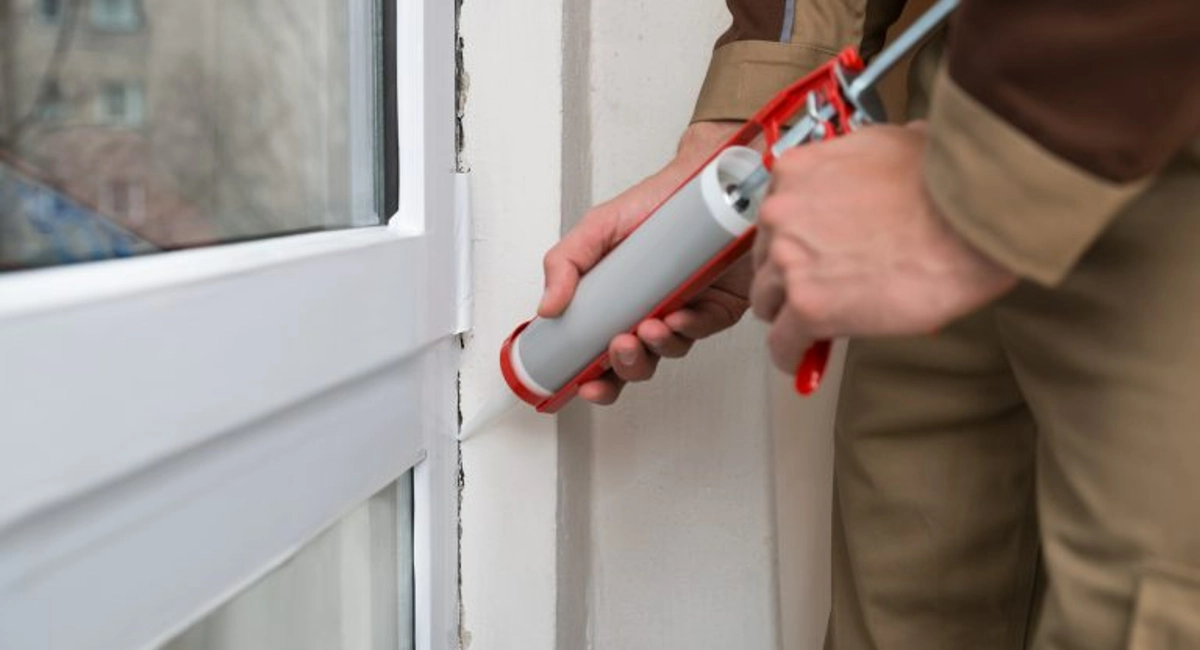
Cluster flies, which can overwinter inside of walls, spike as a problem in December. Operations that have faced issues with these flies in the past should conduct a thorough inspection of their exterior in warm weather months to identify cracks, crevices, and gaps that can be sealed. The smallest cracks and gaps can allow these flies entry. Other pests that exhibit this similar behavior include the brown marmorated stink bug, ladybird beetles, and boxelder bugs.
Birds can be a nuisance pest or create serious food safety hazards for food processing operations. Pigeons and sparrows are the two most common bird issues reported. Pigeon activity is at its highest in the late summer and early fall months (August - October). Sparrow activity, on the other hand, increases in the months of March - July, and then again in November and December. Putting in bird management programs in the months prior to these spikes may help deter activity.
Rentokil's data reveals quite a bit of useful information, but there is one hard fact that this data confirms. Unlike other segments which see seasonal declines in pest activity, food processors face constant pest pressures year-round. That means that there is a need for a robust pest management strategy year-round.
The data also shows the need for food processors to augment their program or take additional actions at certain points throughout the year to address seasonal activity spikes.
When is the last time you reviewed your pest management strategy? To be in compliance with the Food Safety Modernization Act, your program must address the specific risks at your facility – these risks may be based on the products you produce, specific pest pressures in your area, your facility's structure, and more. You should evaluate your pest risk continually, and especially if your facility introduces a new process, undergoes significant structural changes, or is processing new ingredients or products.
Rentokil can help you design a comprehensive pest management strategy that addresses your facility's unique risks. To speak with one of our experts, call us today at 866.483.5166 or visit rentokil.com/us and use our Live Chat feature.