PestNetOnline
Login© 2026 Rentokil Initial plc and subject to the conditions in the Legal statement
When a hurricane strikes, most businesses are worried about protecting their properties from the damages caused by high winds and flooding. But after the storm subsides, businesses in areas that have experienced any hurricane activity should also keep pest control on their list of top concerns.
Many pests are attracted to moisture and may gravitate to waterlogged facilities following a storm. Even minor flooding may displace pests and create pest issues that didn’t exist prior to a storm. For example, fire ants, prevalent in many southern U.S. states that are frequently impacted by hurricanes, can form rafts by linking their bodies together and float on flood waters until they find new ground.
And last, but certainly not least, are the pest issues that can arise due to standing water. Standing water left behind by storms, often collected in gutters, open containers, and even trees can become a habitat for pests such as mosquitoes. In areas where people are displaced as a result of a hurricane, a large population of mosquitoes can be another burden to the public as well as a challenge for relief workers trying to assist in rebuilding efforts.
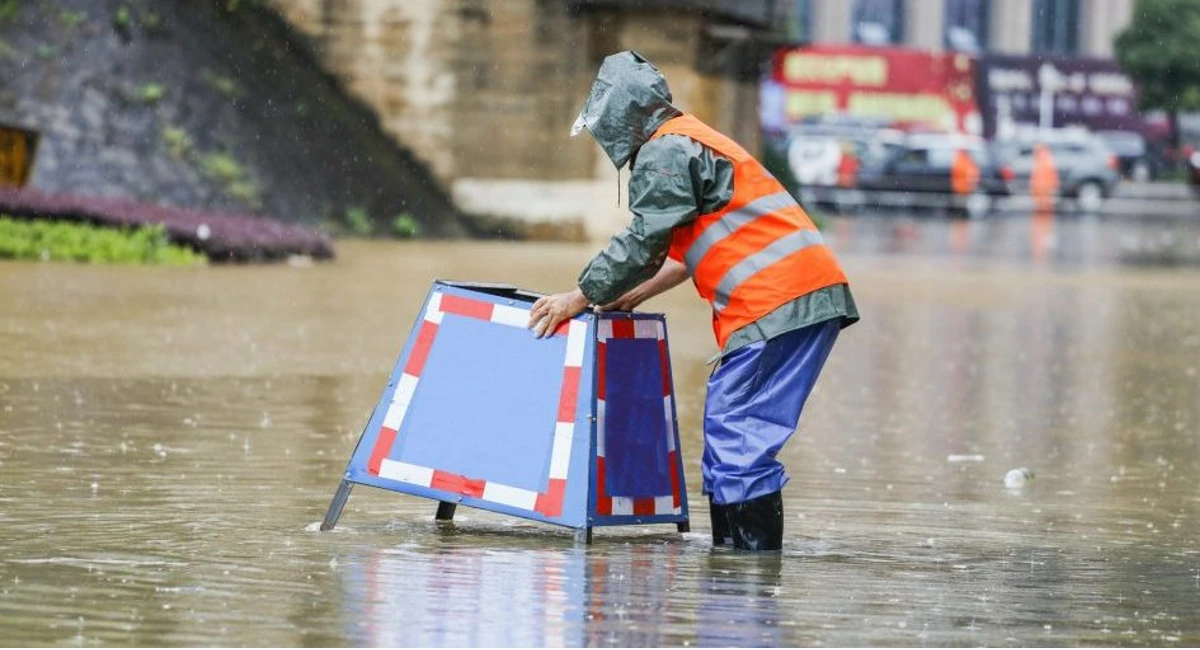
The following tips may help you avoid or deter pest issues after a storm. Be vigilant about monitoring for pest issues in the days following a storm. Record any pest sightings and contact your pest management company immediately if you notice increased activity.
After a major flood event, some communities may start to see large populations of adult mosquitoes emerge about 2 weeks post storm. Often the mosquitoes are larger floodwater species that are extremely aggressive biters. Individuals working outdoors to assist with repairs can be driven inside by the extreme discomfort. The result can be slower-than-expected progress by the relief workers who are trying to get areas of a community functioning again.
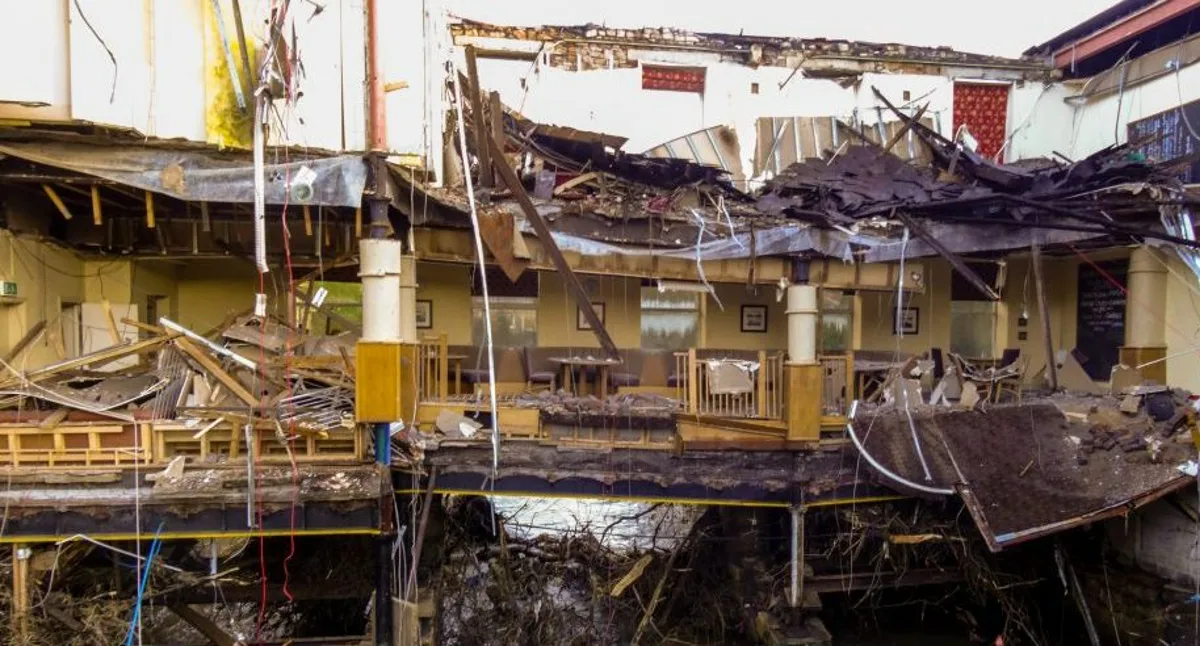
If your area has been impacted by a hurricane, consider mosquito control options by a professional pest management provider to reduce aggressive nuisance populations. If it is early in the season, the treatments could also reduce the population of species that could vector diseases, such as West Nile virus, and prevent transmission cycles from amping up anew. To protect your staff, customers, and guests against mosquitoes, follow these six steps:
-Use an EPA approved insect repellent according to label directions. To be most effective, repellents should contain DEET, picaridin, or oil of lemon eucalyptus and IR3535.
-If possible, avoid peak mosquito hours. Mosquitoes are most active in the hours from dusk to dawn, so if you are outside during this time be sure to take extra precautions.
-Install or repair screens. Screens can keep mosquitoes and other insect pests from invading your business. Be sure that the mesh is small enough to keep insects out. Repair holes that may have been caused by flying debris or replace damaged screens altogether.
-Empty and remove items that collect water such as old equipment, decorative items such as fountains and birdbaths, tarps, flower pots or trash.
-Clean out gutters and ensure they are free-flowing.
-Fix leaking outdoor faucets and check that automatic sprinkler systems are functioning properly or turned off if heavy rains are anticipated.
-Drain any standing water.
-Remove debris sitting atop storm drains to allow for the free flow of water.
-Repair any roof damage that could lead to interior water damage or leaks.
If you find yourself struggling with pest issues following a hurricane, Rentokil can provide you with expert services to help get your facility running smoothly after the storm.