myRentokil
myRentokil login© 2026 Rentokil Initial plc and subject to the conditions in the Legal statement
The F&B businesses in Singapore received some form of operations limitations as they comply with the circuit breaker measures to curb the spread of COVID-19. While some food retail outlets have to remain close, most F&B establishments will process takeaways and deliveries during this period.
Since companies in the food retail sector have been able to restart operations with some restrictions in place, pest control has become much more relevant. This is due to the abundance of food, moisture, and shelter available in such businesses, which pests find particularly appealing. Not only are they the product of unsanitary environments, but also pests, such as mosquitoes, flies, and lizard, bring and transmit diseases to humans. As a result, restaurants must follow stringent health and safety rules, as they have a zero-tolerance policy for pests. Keep reading this article to learn more about DIY and professional F&B pest control that can help your food retail business ensure a safe and hygienic environment for everyone.
To ensure optimal health and safety, there are limited activities and operations taking place at the F&B premises. Firstly, the dining and serving area is cordoned off to prevent usage of the seating facilities. Secondly, there is a reduction of resources present at the establishment. Thirdly, opening hours are adjusted to minimise long public exposure. Finally, a change in daily activities and facility maintenance as crowd presence is minimised.
For some premises that were remain closed, the unattended and vacated could potentially turned into a breeding ground for pests. This is due to their need to seek food source, water and shelter to keep surviving. One way is to squeeze their way in through these “unsupervised” sites with the cracks and holes they can find. Other sources of entries include ventilators, sewer pipes, manhole, and gaps beneath the doors. This is especially so for outlets that are not pest-proof well before they closed their business for the two months.
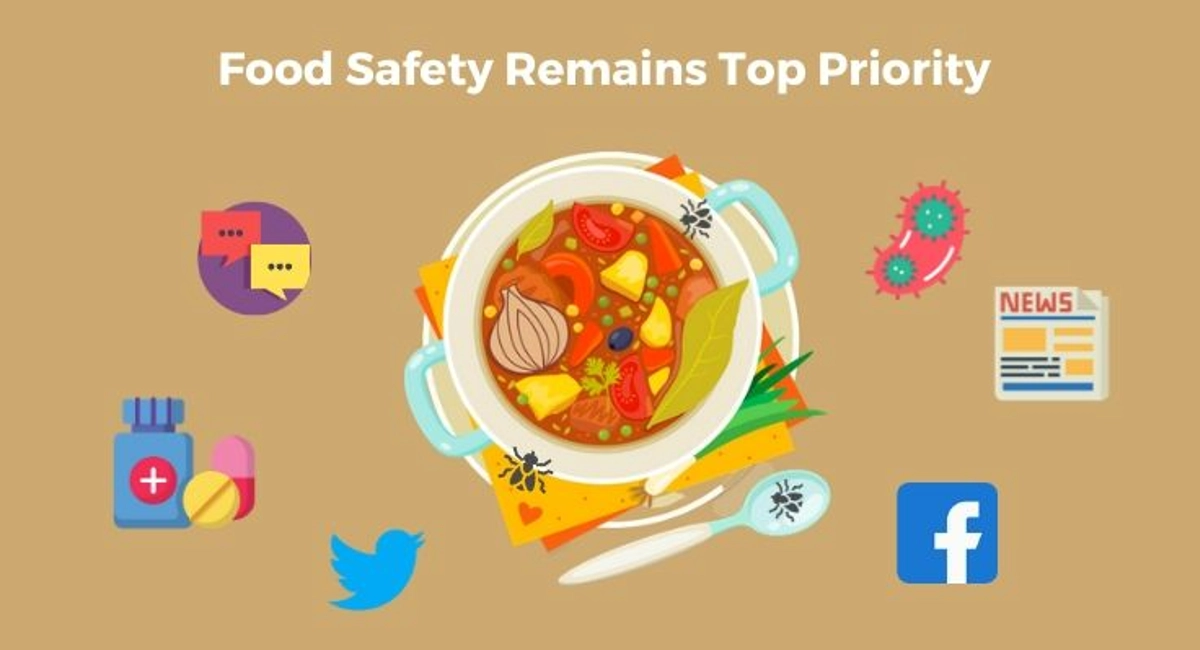
Food safety will always remain top priority with or without breaker. However, it is even more important as circuit breaker lifts. The coronavirus remains a crucial pandemic crisis locally and globally. In addition, there is an ongoing rising trend of dengue cases happening in Singapore. Hence, it is essential to ensure there is a zero-tolerance to food contamination and diseases issues relating to pest infestation.
Food poisoning symptoms include abdominal pains or cramps, diarrhea, heads, dehydration or fatigue, nausea and vomiting, fever, muscle aches and pain and generally feeling unwell. These symptoms can turn severe if individuals do not seek prompt medical attention and treatment.
Besides taking care of the public’s safety, your employees’ well-being is as important. They form a vital role to the business and keep the operations smooth and going. It is beneficial to enhance the people’s trust, confidence and assurance as they resume work after a 2 months circuit breaker. For example, is there adequate mosquito control in place to protect them from contracting dengue fever? Are there solutions to reduce and control the presence of pathogens, such as bacteria and viruses? Is the air quality healthy and conducive to work in? For workplaces with canteens and kitchens, are the food safety and proper food handling well conformed?
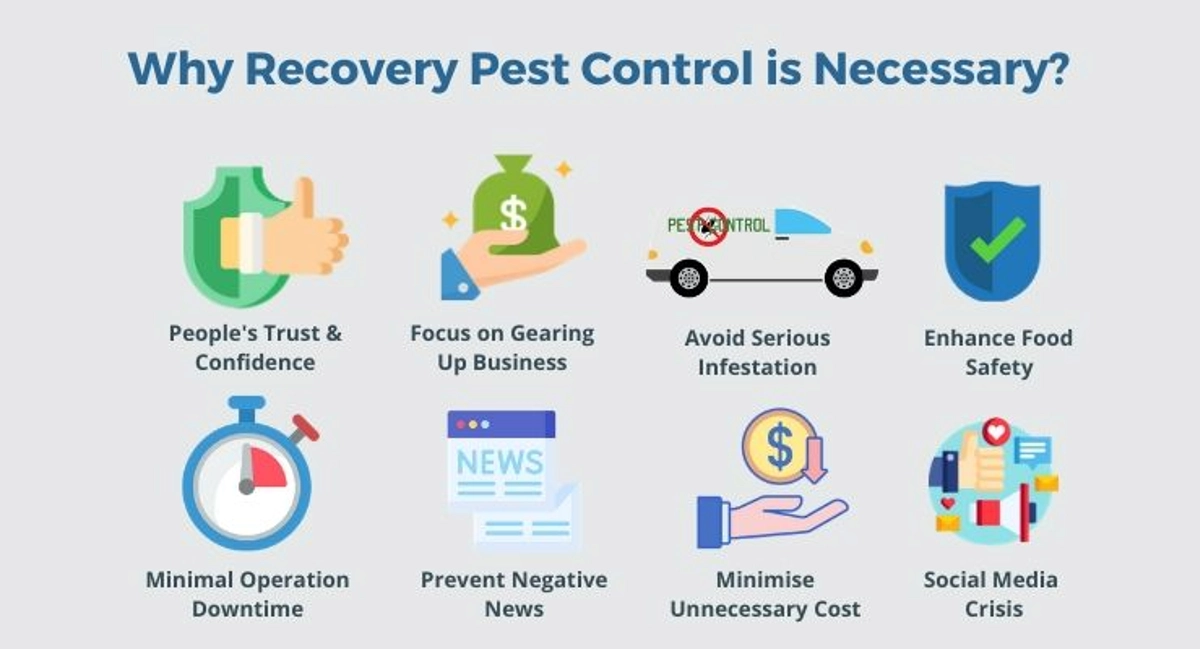
As we resume the activities and driving back business, taking proactive recovery initiatives around pest control is critical.
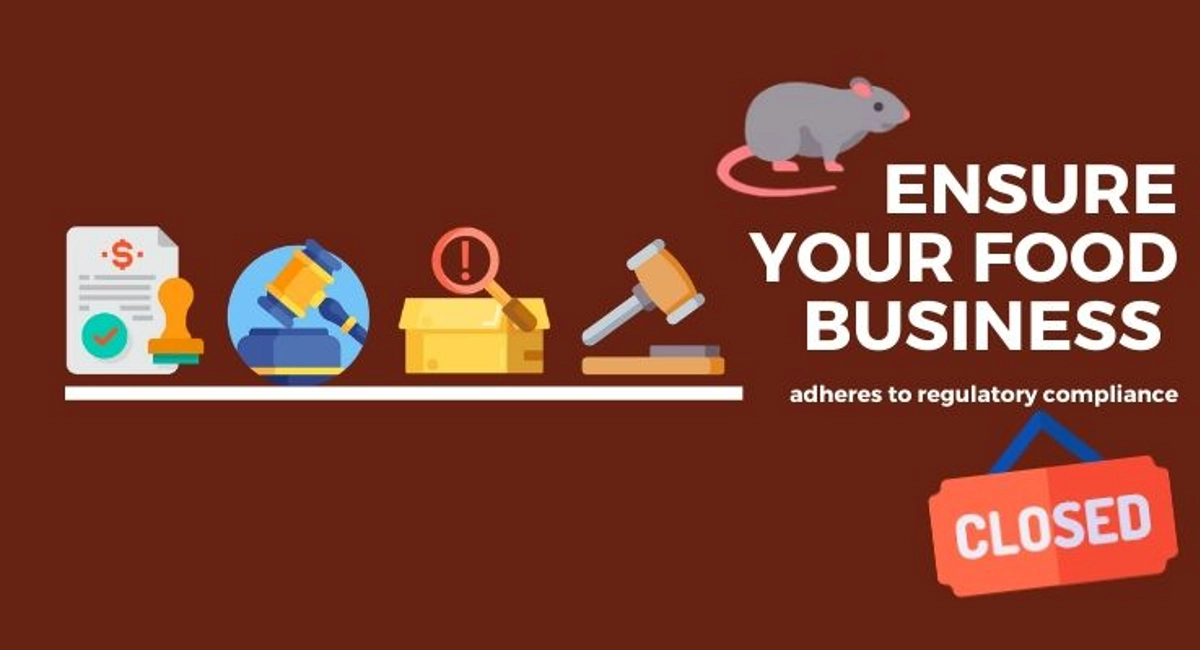
Managing a food establishment business is complex and involves various operational considerations. With the rising consumers’ expectation, there is more than just delivering palatable menu options, atmospheric conditions and reputable brands. In Singapore, there is compliance and governance around improper food handling, inadequate hygiene facilities, grease trap maintenance and pest control engagement. This includes mandatory common pest treatments, covering cockroaches, ants, rats and flies pest control by installing insect light traps.
All food operations are subjected to the Points Demerit System (PDS) where a 12-point accumulated demerit will result in business suspension. For severe cases, business closure and licenses revoke may take place. Do avoid this potential revenue lost, downtime and running operation costs during this recovery stage.
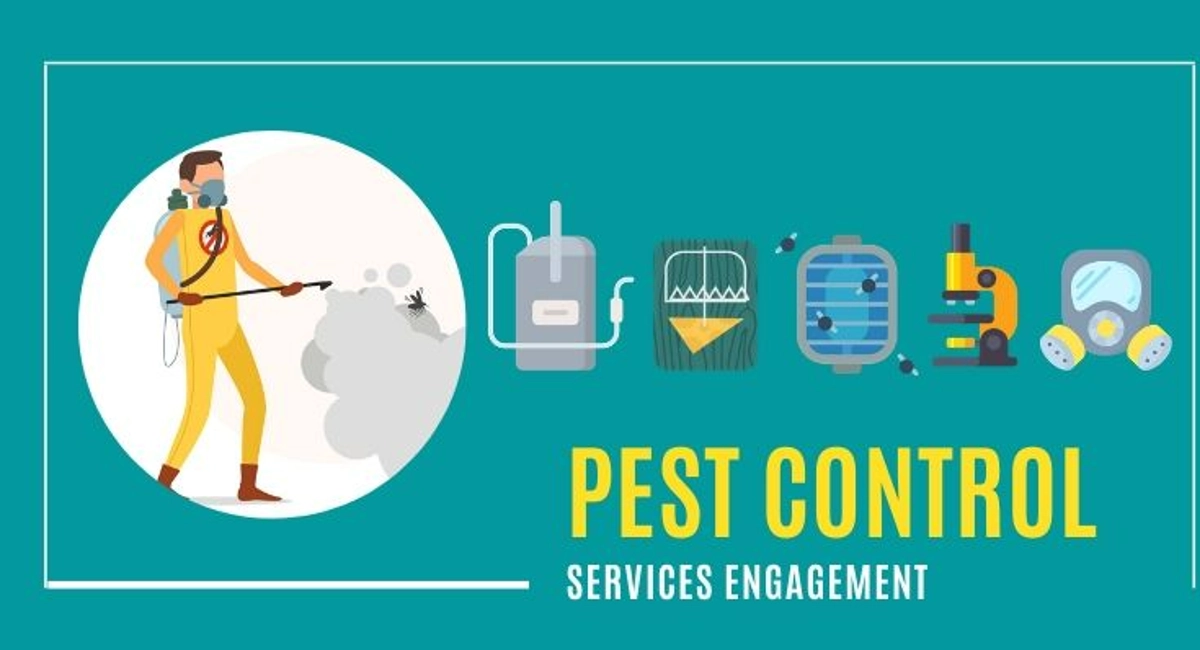
Flies pest control is essential and mandatory pest control requirement at all food establishments and operators. Specialists will install insect light traps at strategic and targeted locations on the wall to lure and trap flies with the attaching glueboard. There are many brands and types of flycatcher with similar features and technical specification in the market Factors to consider evaluating the ideal unit includes:
Rentokil pest control recommends an innovative solution to get rid of flies effectively and safely. It also delivers energy cost savings, particularly where exercising cost prudence is important at this stage. The Lumnia fly control unit is also engineered with different energy levels to suit the environment at an optimal level. It ranges from default, medium and low mode, alternatively, the unit can switch to adaptive mode. With the glue board and encapsulation element, it catches and contains flies with lower contamination risks.
Fly prevention also requires the elimination of root sources such as the larvae breeding. While we tend to pay more attention to the adult flies population instead of the larvae. The foam blitz treatment can help to control small flies breeding, by using foam that works well in hard to reach surfaces. The bacteria feeds on the organic matter, and often applied at breeding sites including trolleys, carts, trunking, piping and any narrow in between spaces.
Rats in Singapore is an ongoing challenge due to various environmental and situational conditions and its smart nature. Particularly for F&B outlets that are located within a mall, subject to high-risks surrounding or designed with open-concept (alfresco lifestyle). Increased rats’ entries and challenged in containing their activity and population. This is also not forgetting there are mice in Singapore that are smaller than rodents. There is a difference between both species in terms of their breeding, behaviour, nesting sites and droppings.
The digital rodent control heightens the detection and monitoring of rat activities. It uses sensing technology to send signals through a command centre, where pest activities are triggered and notified. During the COVID-19 pandemic, where social distancing and safety is critical, the technology helps in rat control remotely. Hot spots and pest trend analysis is digitally tracked 24/7 through an online reporting portal, myRentokil. Speak to one of our specialists to find out more.
Digital technology is particularly suitable for areas of buildings that are difficult to monitor for pest activity, in automated buildings those that are temporarily vacant. It operates with minimal contact in the safest way possible to resolve issues quickly. This protects your business without exposing your employees or customers to additional risks.
For premises located within the dengue cluster, it is even more crucial to pay attention to the signs of mosquitoes and take proactive recovery action. Firstly, eliminate mosquito breeding sources around your food outlet. Secondly, engage in professional pest control to perform regular mosquito control services. This includes fogging the adult mosquitoes and larviciding to eliminate larvae. Thirdly, take note of your patron’s comments or complaints around experiencing mosquito bites. (This is one sign of mosquito infestation). Finally, adopt mosquito prevention awareness among your employees such as eliminating the presence of stagnant water on the premises.
There is a contactless pest control innovation to get rid of mosquitoes effectively. Introducing the In2care mosquito trap, it contains active ingredients that infect the female mosquitoes as they lay eggs that will not develop further. As the female mosquitoes start to seek new breeding sites or their host, it carries the active ingredient with them. Thus, infecting the surrounding breeding sites as a result. This process speeds up the control effort and efficacy in eliminating both adult mosquitoes and its larvae. Request for a one-month complimentary trial today.
Cockroaches and ants tend to collaborate well invading a premise because of some food preference similarity. One of the key factors causing a cockroach or ant infestation is due to poor housekeeping or sanitation standards. Food operators for instance possess higher risks of an infestation due to its nature of the business. Kitchen, canteen and storeroom provides an abundance of food sources for them to feed on.
Seems as less complex compared to termites or bed bugs that requires a detailed treatment process, cockroaches and ants are as challenging. Firstly, German Cockroaches can reproduce in volume at one time such as up to 48 eggs at 6 weeks interval. Secondly, they belong to the nocturnal pest category that emerges at night as they seek food. Thirdly, cockroach infestation may start small and less obvious, such as urines and droppings, which non-professionals may not identify. Fourthly, there are various environmental factors such as cross infestation that requires professional cockroach control. Finally, cockroach prevention starts with adopting the right mind set in complying with essential do’s and don’ts checklist to keep the place pest-free. Above all, getting rid of cockroaches is essential to avoid having incidences of dead cockroaches lying in the food served to customers.
Ants on the other hand are annoying to not just food handles but homeowners. This is especially if they come in long lines and troops at each time and seem to reappear regardless of what efforts are taken to get rid of ants. They are small and considered harmless to some, however, ants infestation do cause harms such as ant bites, allergy or infection, food contamination and diseases including E. Coli and Salmonellosis.
The mention of pathogens such as bacteria and viruses can trigger concern and worries as we continue to battle with COVID-19. Disinfection and sanitisation is an essential treatment to incorporate before, during and after the circuit breaker. At the different parts of the journey, bacteria and viruses lingers daily 24/7. Risks of cross contamination and contracting potential diseases is high as we resume activities, operations and movements. In a food establishment set up, there are many contact touch points that harbour pathogens.
Cross contamination starts with poor sanitation and personal hygiene habits. Risk rises if there are potentially unwell food handles or sick diners within the same environment. Viruses are transmitted through coming into contact with respiratory droplets or body secretions through contaminated surfaces. Besides doing a personal protective part in guarding against viruses, engaging in regular disinfection misting minimises safety risks of your users. Rentokil Initial shares insights on the common misconceptions on surface disinfection treatments in Singapore.
If delivered by a pest control specialist, disinfection treatments are safe and effective in reducing viruses and bacteria by 99.99% including coronaviruses, Influenza A, E. Coli and Salmonella. Backed with laboratory research and tests, disinfection misting can be water-solvent and leave no traces of stains or odour after a mist. More importantly, particularly for an F&B environment where cleaning is frequent, the Rentokil Surface Shield Sanitisation Treatment is able to curb with daily cleaning without affecting the antimicrobial effect. Request for a surface disinfection at your outlet today.
Adopt useful education and awareness on matters relating to pest facts, habits, causes of infestation, pest systems and easy to apply pest prevention. You may download a series of Rentokil Initial educational posters, pest infographics and guide book to apply at your premise.
Cultivate a diligent culture of housekeeping and facility maintenance including the following:
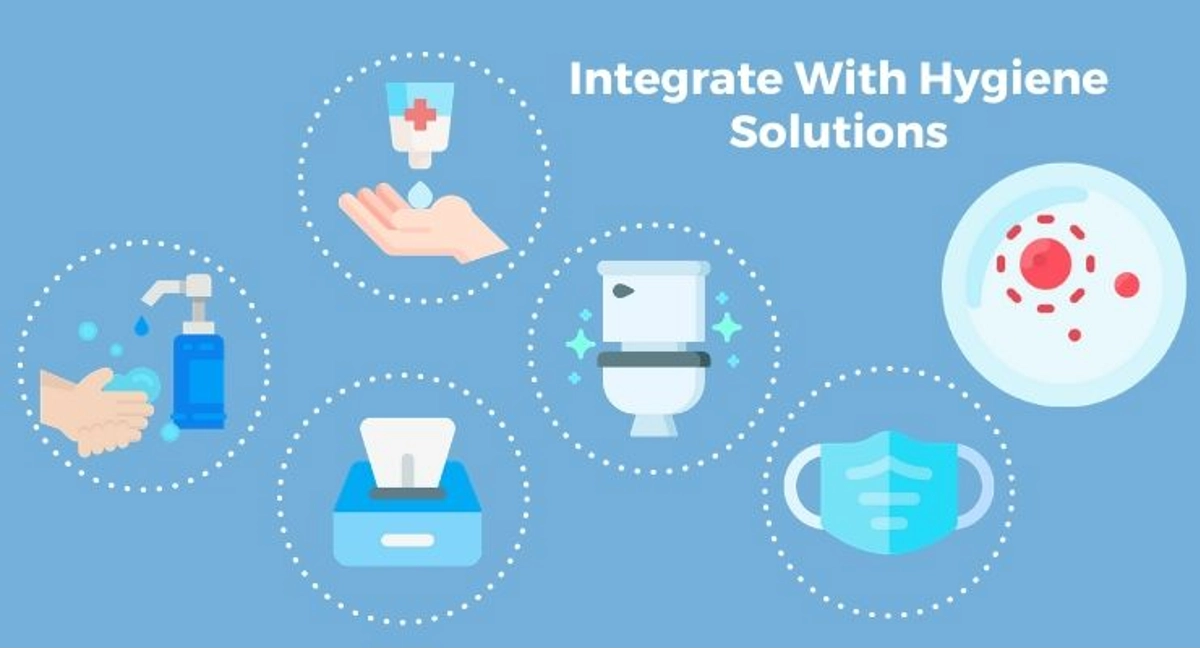
Pest control and hygiene sanitisation come hand in hand. Business should integrate both elements in order to achieve optimal health and safety standards. We all know pests associates with poor sanitation and hygiene. Include these hygiene practices in your recovery programme.
A standard policy and regulatory compliance guidelines is in place. However, there is no one-size-fits all solution that caters for all premise types. Firstly, integrated pest management requires a sound understanding of the business needs and objectives. Secondly, a proper site survey and risk assessment has to be conducted to assess the recommended solution. Thirdly, the choice of chemical and devices may differ based on infestation and environment. Fourthly, a pest control company will recommend a price of pest control to suit users’ budget preference and threshold. Finally, ensure there is ongoing monitoring and inspection particularly for health-sensitive business nature. A professional pest control specialists such as Rentokil provides digital service reports and an online platform to track pest activity 24/7.
Call Rentokil Singapore at (65)6347 8138 for a pest control solution today.