myRentokil
myRentokil login© 2026 Rentokil Initial plc and subject to the conditions in the Legal statement
During the coronavirus crisis, governments around the world have ordered the shutdown of non-critical businesses and services to reduce the transmission of the virus to protect the population. Other buildings that are classed under essential services may have reduced staff as only essential workers are allowed on site. For infection control, businesses may also restrict staff of external contractors from accessing their premises.
This has left many buildings lying empty or with much reduced human presence. Therefore, it results in greater risk of pest infestation and other facility maintenance issues.
Examples of affected business sectors include commercial, hotels and restaurants, education, industrial and residential. Homeowners will be reluctant to allow people in to protect themselves from infection. With lesser human traffic and activities, these buildings have become a perfect habitat for many types of pest.
Here are outcomes to expect when pest population grows rapidly:
Firstly, rats in Singapore are capable of quick and large increase in reproduction population when there is an abundance of food supply. Secondly, they produce multiple litters in a year and several generations of young mature and produce their own young within a year. Finally, the shelter from predators and benign environmental conditions inside a building produces a higher survival rate than in the wild.
During the COVID-19, many food businesses such as restaurants and cafés may reduce patronage and for some, may shut down. This results in limiting the rat's regular food supplies during this period. Thus, it leads to starvation and food competition, which drives them to leave their current hideout to look for new food supplies. Above all, rats’ may change their normal nocturnal habits to find food during daytime. When this happens, it also means rat infestation is heavy.
These starving rats will travel to nearby buildings where food source is still available. They may spend more time at food waste bins that are not emptied as they feed on food waste for survival.
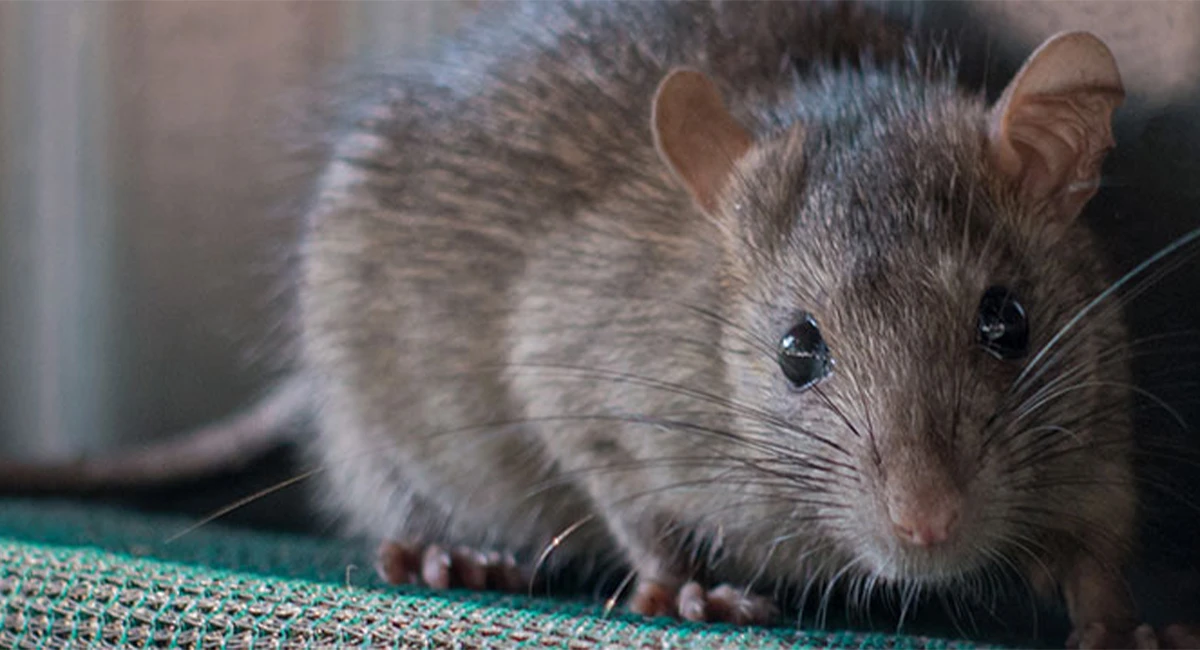
The damages and diseases from rats and mice include the following:
It is important to take proactive steps in rat eradication by engaging rat pest control with a professional pest control company. Firstly, pest control specialist will carry out thorough inspection of the premises and detect signs of rat infestation. Secondly, they will recommend suitable rat control methods for the premise. Thirdly, a series of reporting, pest trend analysis and service recommendations are provided digitally. Above all, both pest control specialists and businesses will communicate on current findings and situations to get rid of rats effectively. This includes sharing useful rats’ prevention tips and housekeeping reminders. Contact Rentokil Pest Control for digital rodent control today.

Maintain good housekeeping practices to prevent rat infestation.
Cockroaches are the most common type of crawling insect that infests food-handling and other businesses. They cause particular problems because of their small size, giving them the ability to hide in small places, their non-fussy and varied diet, rapid reproduction and the diseases they can carry.
Cockroaches shelter in dark places such as cracks, crevices, drains, sewers, inside equipment and furnishings and hidden spaces that provide the right temperature and humidity. These places are also hard to reach using basic cleaning and sanitation methods. Hence, it is easy to cause a cockroach infestation.
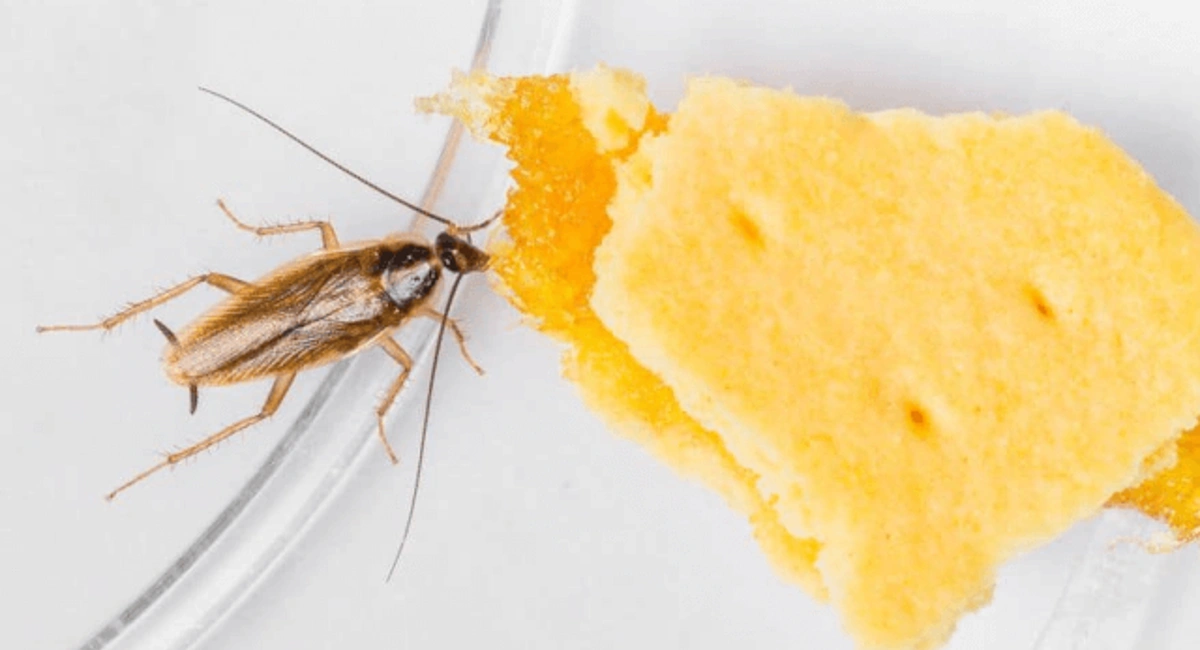
It prefers wet, humid conditions. They are especially associated with infestations of kitchens and food storage areas, but also infests bathrooms, vehicles, offices and administrative areas.
It requires warm, humid environments to survive. Drains, sewers, basements, storage rooms and waste storage areas are common sources of infestation.
It prefers cooler, dark and damp places to shelter, such as basements and drains. Storage rooms and waste storage areas are common places to find them.

Basements are a good hiding grounds for pests.
The best solution for cockroaches has to be an ongoing process. Because of urbanisation and any uncontrollable factors, pests such as cockroaches must be managed consistently. Firstly, the root source and hiding grounds of cockroaches have to be actively inspected and identified. Secondly, pest control professionals can suggest proofing ideas such as sealing pest entries around the premises. Thirdly, they will carry out treatments of either gel, traps and spray at targeted areas to get rid of cockroaches. Finally, it is good to cultivate diligent cockroach prevention habits as an ongoing practice.
A number of fly species can lurk around buildings. They breed in decaying organic matter such as food waste, droppings, dead animals and drains. These species include fruit flies, drain flies, houseflies and bluebottles. Different food products attracts different fly species. For example, fermenting sugars, oils and fats, carbohydrates, and decaying proteins and vegetable matter.
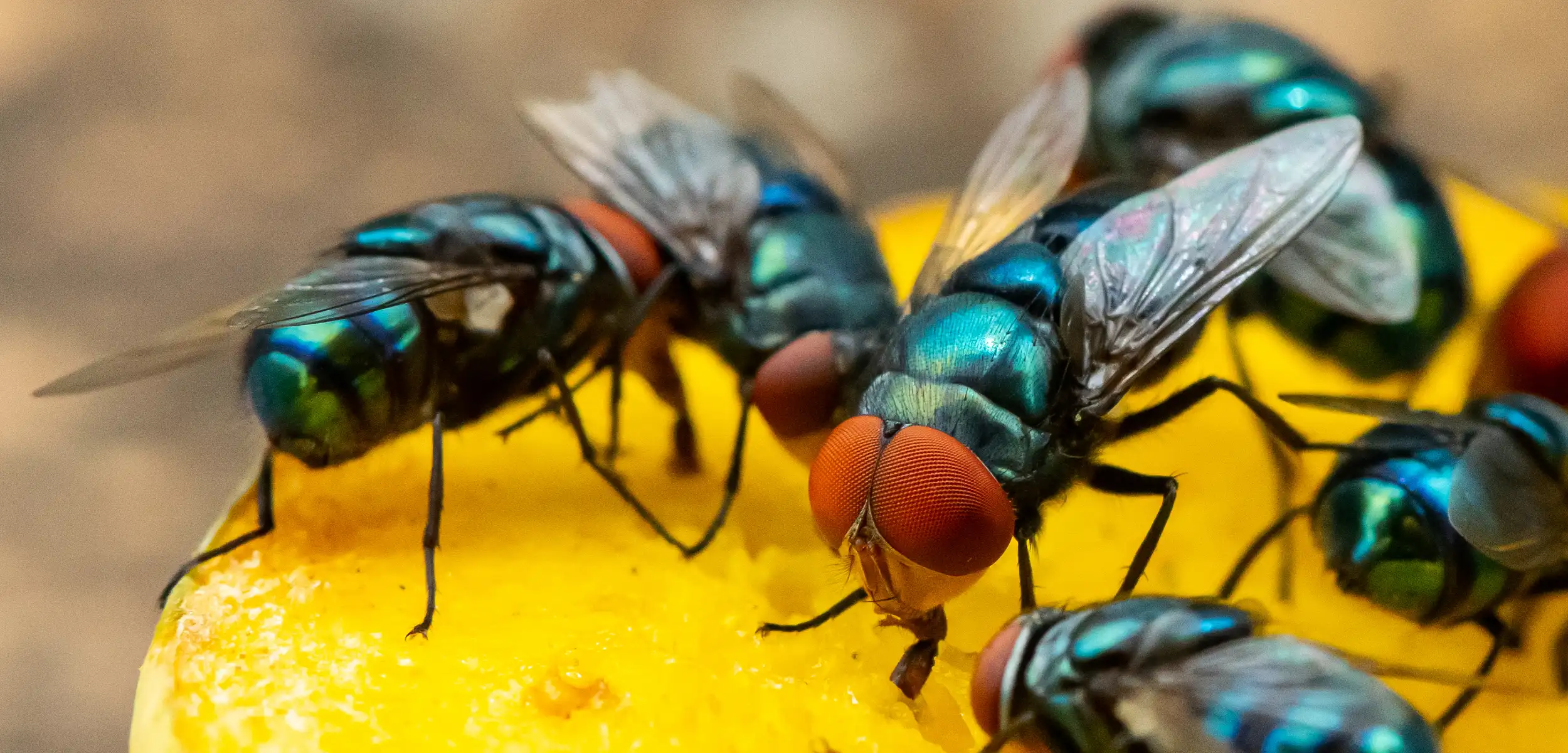
In warm conditions and with food supplies, flies can multiply quickly. They feed on faecal matter, rubbish, rotting materials and stored and processed foods. They will regularly move between the contaminated food sources and clean areas, carrying contaminated filth on their bodies and microorganisms internally.
Flies can pick up contaminated materials on their bodies, feet and mouth parts. Some regurgitate digestive juices and defecate while feeding and resting, contaminating foods and surfaces with microorganisms that can cause disease or decay. Fruit flies can also carry spoilage microorganisms and diseases.
Flies can carry many microorganisms that cause disease in humans, including Salmonella, cholera, Campylobacter spp, E. coli, Cryptosporidium, parasitic worms and fungi.
For some businesses such as food establishment, food safety and regulatory compliance is mandatory. Fly control is necessary even regardless if the premise is in full operations to ensure constant control of flies infestation. Particularly during difficult times like the COVID-19, Rentokil Initial innovates cutting-edge technology to control flies with energy cost savings. Find out more on Rentokil fly trap that only enhances the aesthetics of the environment, delivers efficient catch rate while providing cost savings to the business. Contact Rentokil Singapore for a quote today.

Introducing Rentokil's LED Fly Trap, Lumnia Slim.
Fly prevention activities helps to ensure consistent control of the flies’ population. Besides engaging pest control solutions, businesses can apply these recommendations to optimise on ways to get rid of flies more efficiently.
A few species of birds are able to thrive in urban areas. They’re adapted to the nesting and roosting sites in the ledges, sills, roofs and gutters of buildings and the ready sources of food provided by human food supply activities in the vicinity. They can exploit gaps in the roof, walls, and open or broken doors and windows for entry and take shelter in spaces such as under roofs. The most common bird pests are pigeons, house sparrows, seagulls and starlings.
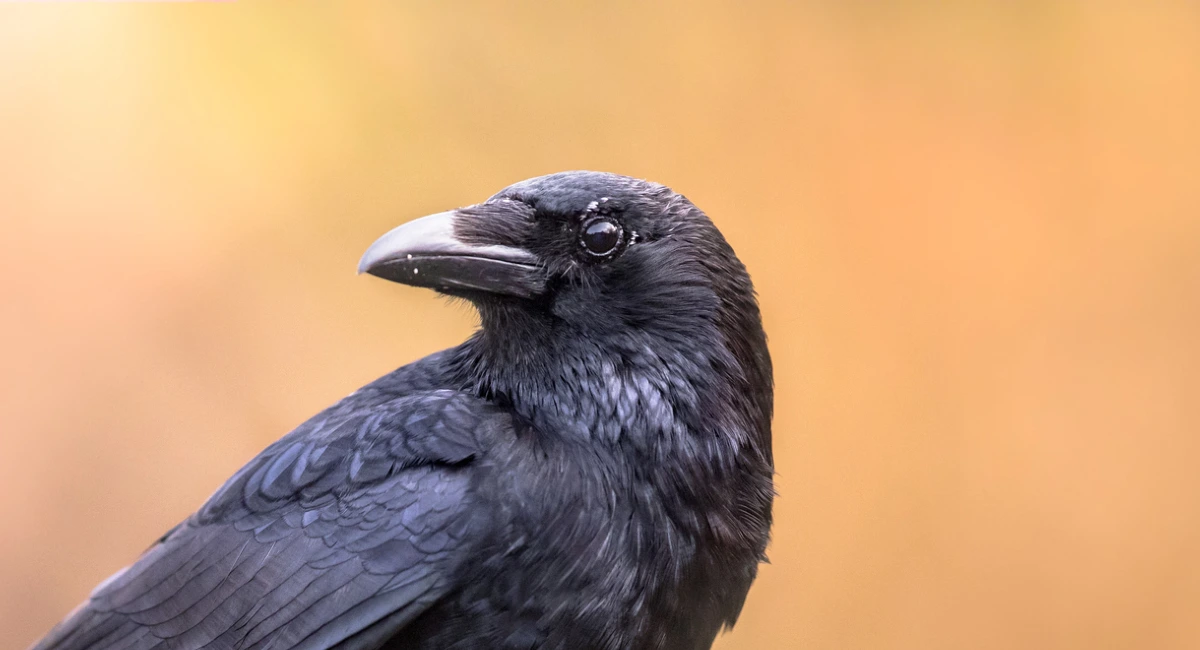
Birds can cause the following type of damage.
It is essential to continue maintaining buildings and commercial pest control. It prevents pests accessing buildings and also infestations from becoming a greater financial risk. Pest infestations also lead to reputational damage. This may delay the return of a building to normal use when the coronavirus lockdown restrictions are lifted.
A professional pest control service can provide an integrated pest control treatment that controls pests efficiently and discreetly. This helps to protect the building, stock, equipment and provides a safe place for staff.
Commercial pest control can be customised according to business needs, budget and affordability, premise condition, pest species and infestation level. Some factors include:
Call Rentokil Singapore at 6347 8138 for an integrated pest management solution today.