myRentokil
myRentokil login© 2026 Rentokil Initial plc and subject to the conditions in the Legal statement
Other than the COVID-19 pandemic, dengue has been the next most concerning epidemic, and over the past months, there has been news and updates around dengue cases in Singapore and its progress. As we approach the end of the first quarter, Rentokil shares what is currently buzzing around dengue fever and mosquito control news you need to know.
You may have read multiple news reports and editorial coverages about the condition of dengue cases, in terms of the number of cases, dengue clusters and breeding sites found. Updates on the initiatives to get rid of mosquitoes were actively shared such as the Wolbachia project, the mozzie wipe-out campaign and pest control companies’ step-up efforts in mosquito control.
There are regular and live updates in the number of dengue cases reported, and as well as the listings of dengue clusters within the red, orange and green zone on the National Environment Agency site. It is important that you keep up to date with this information to check for new movements, developments, changes in terms of dengue situation in Singapore. A location safe from dengue transmission can be listed if there are active cases for a period. Hence, there is no promise or guarantee in terms of dengue safety in this sense. As it has been an ongoing epidemic affected over 10,000 of Singaporeans contracting the disease, you can find many useful tips, recommendations, facts and information relating to dengue prevention and Aedes Mosquitoes. As such, Rentokil Singapore has written the following articles to increase awareness of this dreadful disease.
The National Environment Agency (NEA) launched the Mozzie Wipeout campaign in 2013. It consists of a five-step initiative to get rid of stagnant water that allows mosquitoes to breed. They are:
It drives the community to do their part in checking for mosquito breeding actively while removing any traces of stagnant water among their homes. Outreach awareness and events aim to spread the awareness and reminder to remain vigilant and be mindful of their environment. Availability of educational materials and communication across different platforms including online, news media, social media, broadcast, audio and posters or banners placement. To support this initiative, Rentokil has also developed a videography on essential facts that public needs to know about dengue, mosquito life cycle, breeding sources and useful mosquito prevention tips. Mosquito eradication and dealing with dengue is a community effort, together with a sound and integrated treatment programme conducted by pest control specialists.
There have been more step-up efforts in terms of inspecting for mosquito breeding sites, and penalties enforced in the event of presence of breeding. The enforcement is applicable not just to the commercial sectors and construction sites that are high dengue risk environments. It applies to residential homes with placement of potted plants, pails, containers and various receptacles. More observations of breeding are found in residential areas, where stagnant water and receptacles are not removed. Rentokil Initial has learnt from the dengue survey conducted among 100 respondents that 74.8% of them are well aware covering water containers is a way to prevent mosquito breeding.
However, they may lack on the awareness on other possible breeding sources that can be resulted in a home. Firstly, potted plant trays can contain water due to overwatering. Secondly, dehydrated plants with hardened soil allows holes and gaps in between. This results in poor absorption of water thus creating a receptacle. Thirdly, neglected parts of the home harbour breeding. For example forsaken junks, cartons and containers in the backyard. Fourthly, there could be build-up of standing water due to weather, pipe leaks and defective plumbing that we did not take notice of. Finally, the frequency of mosquito breeding inspection may be insufficient, where the majority check for larvae once a week. Such duration may be insufficient given the life cycle can be lesser than the norm of 8 to 10 days. The warm climate can accelerate and fasten the development process.
You may also like: When are mosquitoes most active?
The National Environment Agency (NEA) has launched the Wolbachia Project that is typically leveraging on the male mosquitoes with the Wolbachia to mate with the female mosquitoes that prevents the hatching of their eggs where the bacterium is being passed down to the offspring that disrupts the development process. The process targets the key species type, the Aedes Mosquitoes. This provides a safe and natural way in mosquito prevention. In the second quarter of the last year, the agency has extended its project to other high dengue activities area. They increase their release of male Wolbachia-Aedes Mosquitoes. This aids in reducing the female Aedes mosquito population over time.
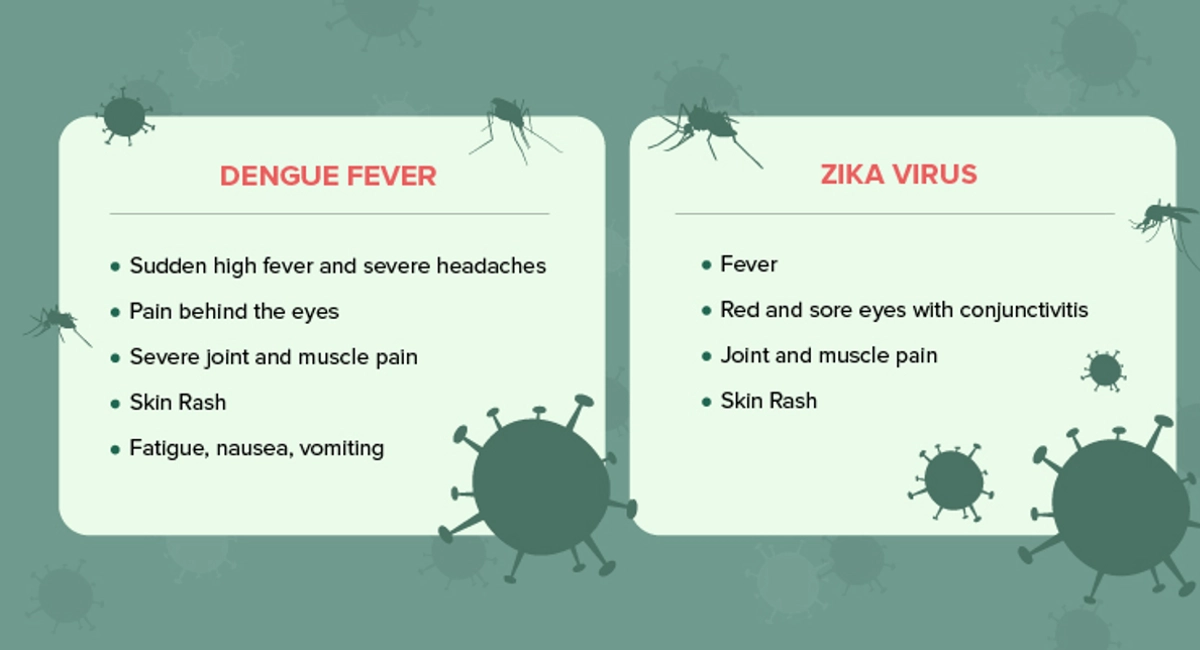
Not many are aware that there are as many as four types of serotypes namely Denv-1, Denv-2, Denv-3 and Denv-4. In a joint survey collaboration with Nexus Link, as many as 40.8% of respondents are not aware what Denv-3 is and the majority of 65% of respondents have thought the dengue incubation period is within four days or less. This means, individuals will pay less attention to symptoms or seek prompt and required medical attention only when the symptoms worsen.
While both Denv-1 and Denv-3 have always been the common strain contracted by many in Singapore, the Denv-3 has been increasingly among large dengue clusters. Individuals also possess low immunity against this virus, thus putting us at high risk of contracting the disease. There has not been a vaccine developed to immunise against the disease and works better for individuals who have contracted previously. Most dengue cases rely on self-recovery by remaining well hydrated and undergoing adequate rest. However, severe cases require hospitalisation and medical care. Hence, it is essential to avoid turning into a dengue victim by stepping up on your mosquito prevention efforts.
Pest efficacy is a common concern and complaint when we notice recurring pest presence or unresolved infestation outcome. Besides the challenging pests such as rats that are not easy to eliminate, mosquitoes are an ongoing problem until these days. Some factors that contribute to an ineffective mosquito control includes:
Especially with premises or homes with an outdoor compound, car pouch and garden, it is important to place outdoor mosquito traps at strategic locations. This is because greenery and vegetation conditions with the emission of carbon dioxide attracts mosquitoes. In addition, with more human interaction and activities engaged during the daytime, the body heat and lactic will attract mosquitoes’ attention over. This is also not forgetting that mosquitoes travel from place to place in search of hosts. Any location or environment is not spared and safe from mosquitoes’ infestation.
The In2care mosquito trap serves the function of preventing the transmission of dengue while eliminating the opportunity for larvae in developing into an adult. It works daily 24/7 by leveraging on flying mosquitoes. They carry the active ingredient to pass on and spread the solution to places they land. It gets rid of mosquitoes by attracting them to the trap and works by weakening the mosquito in the virus development. They are usually placed at shady areas or corners with mosquito activities.
With more time spent at home and as we ventilate the environment by opening the windows and balcony, we encourage the chance of mosquitoes entering. Aedes mosquitoes are active in the daytime. With the warm tropical climate of Singapore, we can attract mosquitoes if space is not cool. There are also other modes of entry including the ventilation exhaust, cracks, gaps, crevices and openings between surfaces and doors. For homes displaying plants, it increases the risks of developing mosquito breeding. Hence, you should step up your protection against mosquito bites, and contracting dengue by an infected Aedes Mosquito. The Mosclean Indoor Mosquito Trap utilises LED light to attract and trap mosquitoes and eliminate them through a dehydration process. It is a safe placement for homes, as it does not contain chemicals or harmful gases while promoting low energy consumption.
Call Rentokil Singapore at (65) 6347 8138 for pest control services today.