myRentokil
myRentokil login© 2026 Rentokil Initial plc and subject to the conditions in the Legal statement
Working from home may lessen the impact of the COVID-19 pandemic, but there is another disease that everyone should be wary. Dengue fever is on the rise yet again, with predictions that this year would be the largest outbreak in Singapore’s history. Just in the first half of 2020, the Ministry of Health has shared that the number of cases has claimed the lives of 16 people.
While many are concerned about and aware of the dengue virus, not many truly understand the dangers that it poses. In an effort to assess the awareness, knowledge, and attitudes of the public in Singapore towards the virus. A survey was conducted by Nexus Link whom is an independent market research agency commissioned by Rentokil Singapore.
Here is a look at several dengue dangers that you need to know to protect your family better.
It is commonly known that the Aedes mosquito is the main transmitter of dengue cases in Singapore. However, there are still misconceptions about how the virus is being spread.
51.5% of respondents were not aware that it is not a contagious disease. Unlike the coronavirus, the disease cannot be spread through close contact with infected individuals. However, not addressing the root of the problem and eradicating mosquito breeding spots within the home will result in a continuous spread of the disease.
The symptoms are helpful indicators for identifying the disease and seeking medical treatment. The most recognisable symptom is a high fever, with 90.3% of respondents acknowledging that as such.
However, one can still have dengue without presenting a fever. Only 32.0% of respondents understand that individuals can be asymptomatic carriers. Headaches, skin rashes, and even pain in the eye are other symptoms one should watch out. If you are only anticipating a fever to set in, this can leave you vulnerable to being undiagnosed.
Simply understanding the symptoms of dengue is not enough. Surprisingly, 65.0% of respondents assume that the incubation period is 4 days or less. That is significantly shorter than the accurate guideline of 4-10 days.
This results in cases remaining undiagnosed, which can be detrimental to at-risk groups like young children and the elderly. Shockingly, 40.8% of respondents are not familiar with Denv-3, which is the dominant and emerging strain of dengue in Singapore to which we still have low immunity.

With four strains in total, an individual runs the risk of contracting dengue up to four times in their lifetime. If a diagnosis is overlooked, the danger to your life will only increase.
Although misinformation about the disease may seem inconsequential, there are serious issues that can arise from this lack of awareness. For every individual that goes undiagnosed, the less we know of possible affected clusters. This will only pose more danger to households and communities.
It is important that there is a public understanding of the cause of widespread dengue cases and we can do more to curb mosquito breeding.
Preventive measures revolve around sealing or clearing standing water. This is also reflected in the 74.8% of respondents who cited that covering water containers tightly is the most common way they choose to prevent a breeding.
However, other measures, such as using larvicide is cited as the least used method (29.1%). In order to tackle this problem successfully, a multi-pronged approach has to be implemented in the fight against the deadly disease.
Aside from covering and clearing still water in the house, it is advisable to use proper mosquito control solutions with active ingredients to treat common breeding sites. Options include placing In2care mosquito traps or opting for integrated mosquito treatments. In addition, frequent checks for mosquito breeding grounds will help eradicate any chance of clusters.
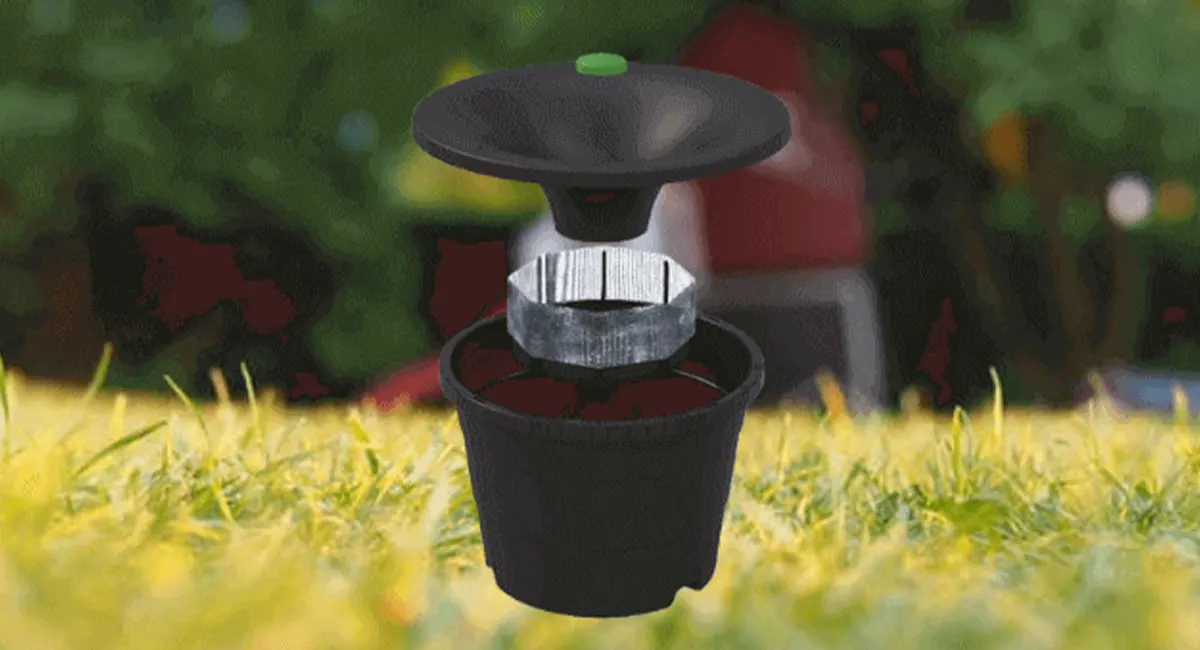
Only 66% of respondents check for larvae breeding at least once a week. The life cycle of a mosquito takes only 8-10 days, and that could mean a longer period of suffering for those who are unaware.
Curbing the dengue problem in Singapore is a job that requires consistent effort not just from the governing bodies, but also everyone in the community. 24.3% of respondents cited that they did not know if they were residing within dengue hot spots. With 62.5% of respondents working from home currently, the opportunity to be more vigilant with daily checks will ensure that your living facilities are not the next breeding ground.
Here is a helpful summary of how you can better defend your loved ones:
The more you know, the safer you are. If you need professional help, Rentokil is here for you.