myRentokil
myRentokil login© 2026 Rentokil Initial plc and subject to the conditions in the Legal statement
In 2020, reported cases of dengue fever in the first five weeks of the year was 60 per cent higher than the diagnosed over the same period for the previous year. In addition, there has been an increase in infections of dengue strain DENV-3. However, the Singapore population has lower immunity to DENV-3 as it has not been dominant for the past 30 years.
Your burning questions answered. What is a dengue strain? How has dengue trends evolved in Singapore and what are the preventive steps we can take? Read on to learn more about how to protect yourself against dengue fever in Singapore.
Dengue fever is a disease transmitted through the bite of an infected female aedes mosquito. Symptoms include high fever, skin rash, muscle and joint pains. Not to mention, in severe cases, it may lead to serious bleeding of internal organs, plasma leakage and even death.
The 4 dengue serotypes, DENV 1, 2, 3 and 4 are closely related viruses with different interactions with the antibodies in human blood serum.
Meanwhile, let us take a look at the factors that influence the development of dengue fever in Singapore.

Wet weather can promote stagnant water collection that causes mosquito breeding
Do you know? Dengue has been around in Singapore for over 100 years!
Project Wolbachia: The dengue vector control research study program was launched in Singapore in December 2019. Project Wolbachia involves the release of male Aedes mosquitoes infected with the Wolbachia bacterium to mate with females, causing them to lay eggs that do not hatch.
Dengue vaccine: Dengvaxia is the world’s first dengue vaccine. The Health Sciences Authority (HSA) in Singapore approved dengvaxia for use only for those who had prior infection with dengue. Clinical trial data suggests that Dengvaxia could worsen symptoms for those not previously infected with dengue. Additionally, it is approved for use only in patients aged between 12 and 45 and requires three doses to be administered over 12 months by injections.
National Environment Agency (NEA) 5 steps mozzie wipeout: Launched in April 2013, the annual NEA Mozzie Wipeout campaign gathers support from the community to take the necessary precautions to reduce the spread of dengue. Outreach efforts includes the distribution of educational materials, roadshows, house visits and posters display.
5 Steps in the Mozzie Wipeout campaign:
Dengue community alert system: In 2018, NEA launched the Dengue Community Alert System to provide residents with the latest update on the severity of the dengue situation in their precinct. For instance, banners indicating the colour codes (yellow, red or green banners) are displayed in dengue cluster areas. Red presents more than 10 dengue cases in the area while yellow represents less than 10 cases. On the other hand, green represents no new cases, under surveillance for the next 21 days.
Dengue Inter-Agency Task Force (IATF): Formed in September 2005, IATF enhances the communication and coordination on dengue control efforts among multiple Government agencies.
How well do you know the Aedes mosquito?

Mosquitoes can enter high rise buildings as well
Additionally, here are 5 preventive steps you can adopt to reduce your risks of mosquito bites.
Do you need a sustainable pest control strategy? Here are the top reasons why a professional pest control solution can give you a winning edge.

6 reasons why pest control for mosquitoes is essential
Rentokil’s In2Care Mosquito Trap is an innovative solution that significantly reduces both the adult mosquito and larvae population. It features a trap with water treated with In2Mix larvicide to attract adult mosquitoes and larvae.
Firstly, once a mosquito enters the trap, it will breed and release larvae inside the trap. Secondly, the larvicide in the water will kill the larvae. Thirdly, the infected adult female mosquito will spread the larvicide powder to the other breeding sites that it visits. Finally, it prevents the emergence of new mosquitoes from breeding sites and therefore helps to continuously and consistently control mosquitoes around your premise.
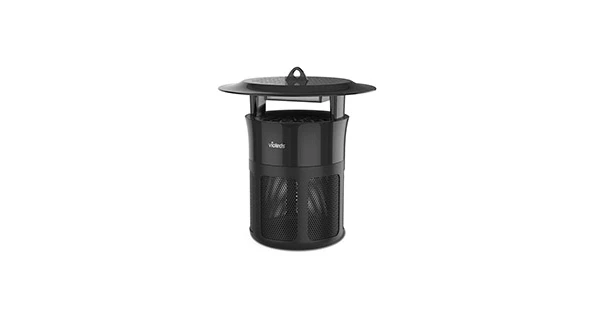
Let the mosquito do the job for you with In2care Mosquito trap
Get in touch with a Rentokil pest control specialist to find a mosquito control solution that works for you. Call (65) 6347 8138 to learn more.