myRentokil
Manage your business
Bed bugs are one of the most difficult pests to control, especially in multi-unit housing such as apartment buildings. These small, elusive insects are notorious for their ability to thrive in hidden corners and crevices of beds and other furniture, spread around buildings, and survive attempts at eradication.
While bed bugs are not known to transmit diseases, their bites and presence can cause significant physical discomfort, psychological stress and financial strain for both residents and property managers.
The goal is not only to eliminate existing bed bug populations, but also to establish preventive measures that inhibit infestations from recurring, promoting both tenant well-being and property value. This article covers the strategies for preventing and controlling bed bugs in apartments and the methods available for eliminating them.
Surprisingly little research has been conducted on the movement of bed bugs in apartments. However, we do have some information that gives useful insights for control and monitoring.
The techniques available to control bed bugs are the same wherever an infestation occurs, but several factors make prevention and control more complex in apartments.
Bed bugs are small flat insects, ranging from 1 to 10 mm long, depending on their age and feeding status. They can squeeze into and dwell in tiny crevices and cracks in beds, furniture, electrical outlets, walls and other objects. Apartments have more furniture and personal possessions for bed bugs to hide in than buildings such as hotels and student dormitories. Each unit has multiple rooms where bed bugs can find hiding places. These make it more difficult to detect and treat every area where they might be present.
In apartment buildings or multi-family housing units, bed bugs can easily spread from an infested apartment to others through the entry door and along a corridor, along pipes and cableways, and through cracks in ceilings, walls and floors. Units or rooms on either side, opposite, and above and below an infested one are most likely to be the next ones infested.
Effective bed bug management requires the education and cooperation of all building residents. If one unit is treated but others are not, or follow-up treatments and monitoring cannot be carried out in any unit because of the residents, infestations can more easily recur.
Furniture, such as beds, might need to be taken apart for a thorough inspection and treatment, or clothing and bedding might need to be washed at a high temperature. Occupants can’t be moved to another room like in a hotel, so might also need to leave their homes during treatment. The inconvenience could lead to resistance to cooperation due to personal circumstances, resulting in ineffective treatment.
This resistance could stem from various factors such as working evening or night shifts and needing to sleep during the day time, or residents not reacting to bites and thinking control measures are unnecessary.
Multiple residencies in an apartment building mean more opportunities for bed bugs to hitch a ride on people and their possessions. For example, one study found:
These risks can be reduced by making people aware of ways to bring in bed bugs and how to prevent and detect them.
Property managers and residents are unlikely to know how to treat and prevent bed bugs effectively and may try to do their own bed bug control to save money. Residents may not even realise that they have bed bugs so don’t report an infestation or want no action taken to eradicate them. This can allow infestations to grow and spread to multiple units, eventually making eradication more difficult, time-consuming and expensive.
The first step to eliminating bed bugs is for apartment management to become knowledgeable and prepare a bed bug plan for the apartment. Managers need to be aware that the process needs to be done thoroughly to be effective. It requires time to identify and treat all bed bug harbourages and includes follow-up inspections and treatments if necessary.
One reason for the ongoing and possibly growing worldwide problem with bedbugs is the difficulty of eliminating them without the proper knowledge and tools. Inappropriate treatment, leading to resistance to pesticides, is thought to be a major cause of their resurgence. Apartment managers may not realise that targeting single apartments with inadequate treatments, but offered at a cheap price, is unlikely to eradicate an infestation. Being properly prepared for an infestation is a key part of prevention.
Controlling bed bugs is a difficult operation that requires multiple techniques to minimise the risks of infestation and be as effective as possible. Here is a set of treatments and actions that can be used to control them.
Integrated pest management (IPM) should be the basis of all pest control plans. It involves using a set of basic principles that have been tested over many years to optimise the control of multiple types of pests. If used properly, IPM will be more effective and reduce costs
The US Environmental Protection Agency has developed a four-step IPM approach for pest control in buildings.
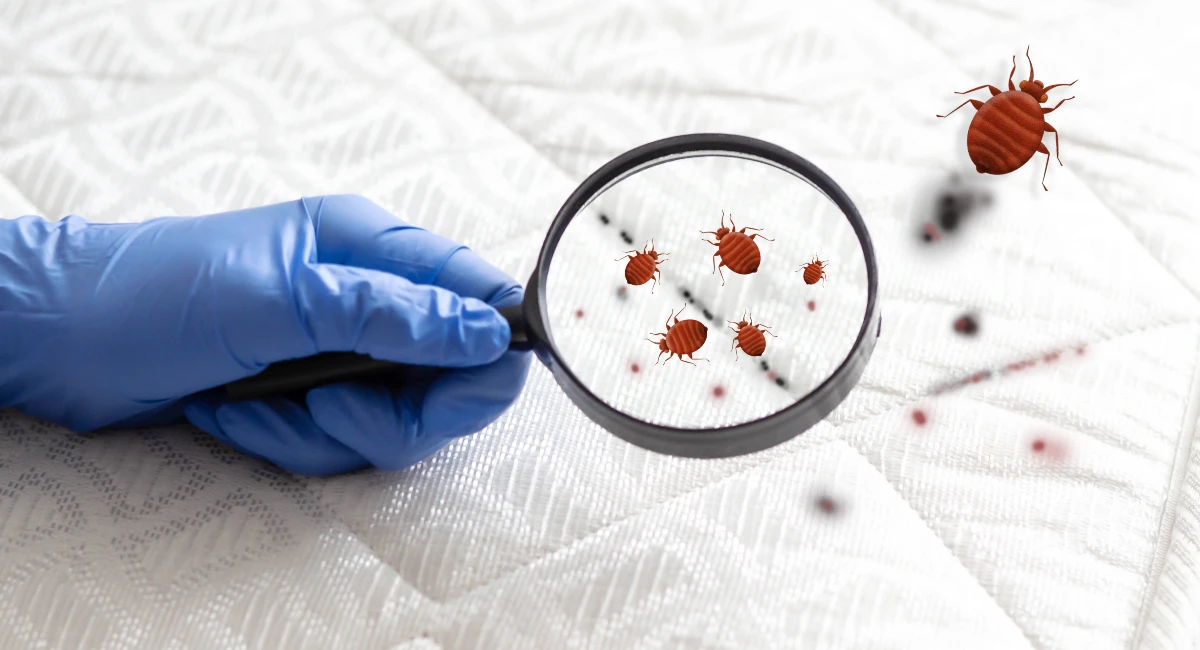
Once a bed bug has been identified in the apartment, the presence of infestations can be determined by surveying the apartment unit for:
This is best done by a trained professional, but apartment managers and staff can also be trained in the techniques.
Most bed bugs in an ongoing infestation will be on or very near a bed, so that is the place to start.
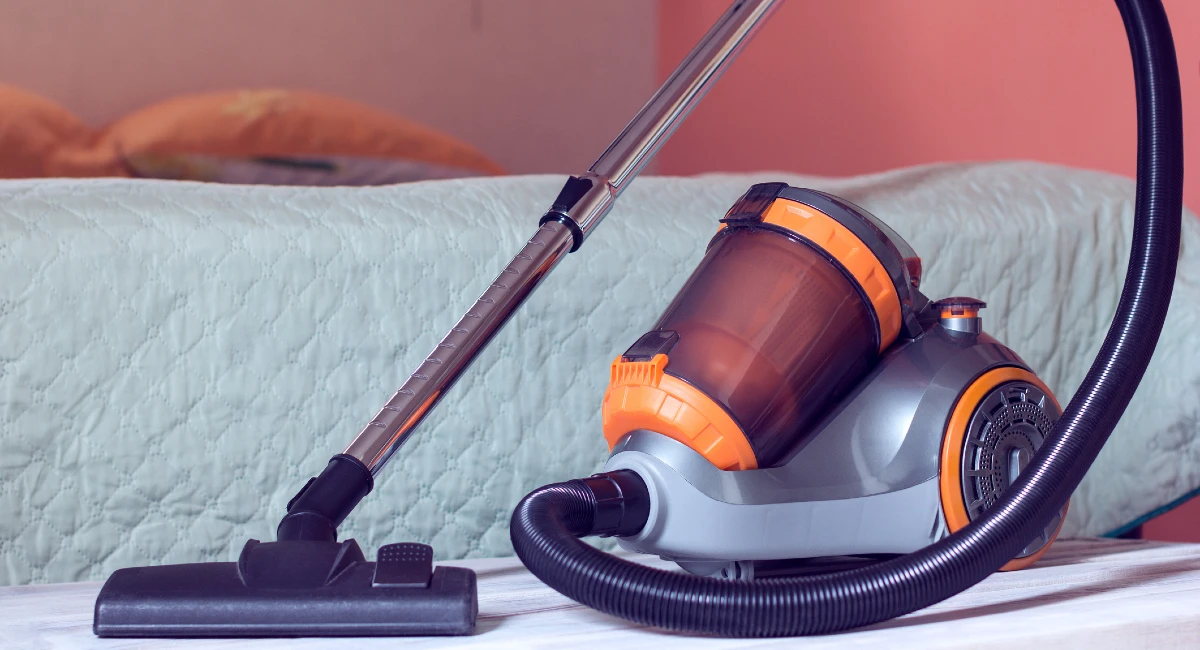
To effectively remove bed bugs, their droppings, and eggs from hard-to-reach areas, use a vacuum machine with a disposable bag and a crevice nozzle. Make sure the vacuum is equipped with a HEPA filter to capture allergenic material efficiently. After vacuuming, seal the disposable bag in a plastic bag to prevent live bed bugs from escaping and dispose of it by incineration if possible.
Keep in mind that vacuuming may not eliminate all the eggs, as they are glued to surfaces and may not be sucked up easily. Therefore, additional treatment is necessary to eliminate them. Using a stiff brush to loosen them is not recommended as it can scatter the eggs. It's also important to “disinsect” the vacuum machine to ensure any escaped bed bugs are eliminated.
A steam machine can be used to eliminate all life stages of bed bugs in areas that will not be damaged by heat or moisture. However, it should not be used on anything electrical. Effective operation requires training to understand where and how to use it. The steamed surfaces should reach at least 70–80°C, and the steam should be applied slowly to be effective. Additionally, vacuuming is necessary after steaming to remove the remains of dead bed bugs.
Clothes and fabrics can be washed on a hot cycle at 60°C and tumble dried on a hot setting for 30 minutes to kill all life stages.
Bed bugs are harmed by temperatures over 45°C [link to article on heat treatment], which damages their physiological functions and leads to death. Pest control companies have specialised equipment for heating entire rooms and portable containers for heating furniture and other items. Personnel operating this equipment need to be highly trained to ensure safe and effective use. A complicated room layout can leave small areas that are difficult to heat and will need targeted insecticide treatment.
Mattress encasements are specially designed covers that bed bugs cannot penetrate and have no or few seams that bed bugs could use as harbourage. They can be used either to contain an existing infestation, so bed bugs cannot escape, or to prevent them from infesting the mattress. Mattress encasements should have small zipper teeth, few seams, and tightly stitched joins, fabric or a membrane that is impervious to bed bugs, and zipper stops that close completely.
Deep freeze temperatures of around -20°C will kill bed bugs in a few hours. However, achieving this temperature depends on the density and size of an object placed in a freezer. When using a household freezer it may take several days to freeze all parts of an object for long enough to kill the insects.
Several types of insecticide are available for bed bugs in liquid, aerosol and powder form. It is important to follow the instructions closely to avoid harm to people and pets. Each type of pesticide has recommended ways of application for the most effectiveness in different types of harbourage. Localised application to bed bug harbourages is more effective.
Aerosols and bed bug smoke bombs are not suitable for space treatment because they don’t reach hidden harbourages and spread the pesticide around the uninfested parts of the room.
There is widespread pesticide resistance in bed bugs around the world because of pesticide misuse. For apartment buildings, it is best to use a competent pest control company for long-term effectiveness of bed bug control measures.
Tackling bed bug infestations in apartment buildings presents unique challenges that require a comprehensive and coordinated approach. Emphasising the importance of early detection, resident education, and cooperation, as well as implementing a detailed and systematic elimination protocol, can significantly reduce the likelihood of infestation and spread.
By understanding the behaviour and resilience of bed bugs, property managers and residents can work together to create an environment that is inhospitable to these pests. Regular monitoring, preventive measures, and swift action at the first sign of bed bugs are key to maintaining a bed bug-free apartment building. Ultimately, the goal is to not only address current infestations but also to prevent future ones, ensuring the comfort and well-being of all residents.
Contact your local Rentokil office for safe, effective bed bug control.
Tailored, reliable pest management for homes and businesses, ensuring pest-free spaces for work, life and play