myRentokil
Manage your business
Bed bugs have been uninvited companions to humans for thousands of years, expertly adapting to human homes and sleeping places. These tiny pests are so well adapted to humans that the two main species of bed bug that infest the human environment, the common bed bug, Cimex lectularius and the tropical bed bug, C. hemipterus, rarely feed on other animals.
During millennia of cohabitation, we endured their itchy, annoying bites, having no effective way to eliminate them. But with the advent of insecticides such as DDT in the 1930s, we thought we had the solution to eradicate them effectively until the late 1990s. Little did we know then that isolated populations had developed resistance to pesticides. The increase in international travel spread these populations worldwide, allowing them to re-establish themselves in homes, hotels, hospitals and even aeroplanes, cruise ships and railway carriages.
So, how much should you be worried about bed bug bites? This article explains the risks and impacts of bed bug bites and why most people needn’t worry too much but can still take precautions.
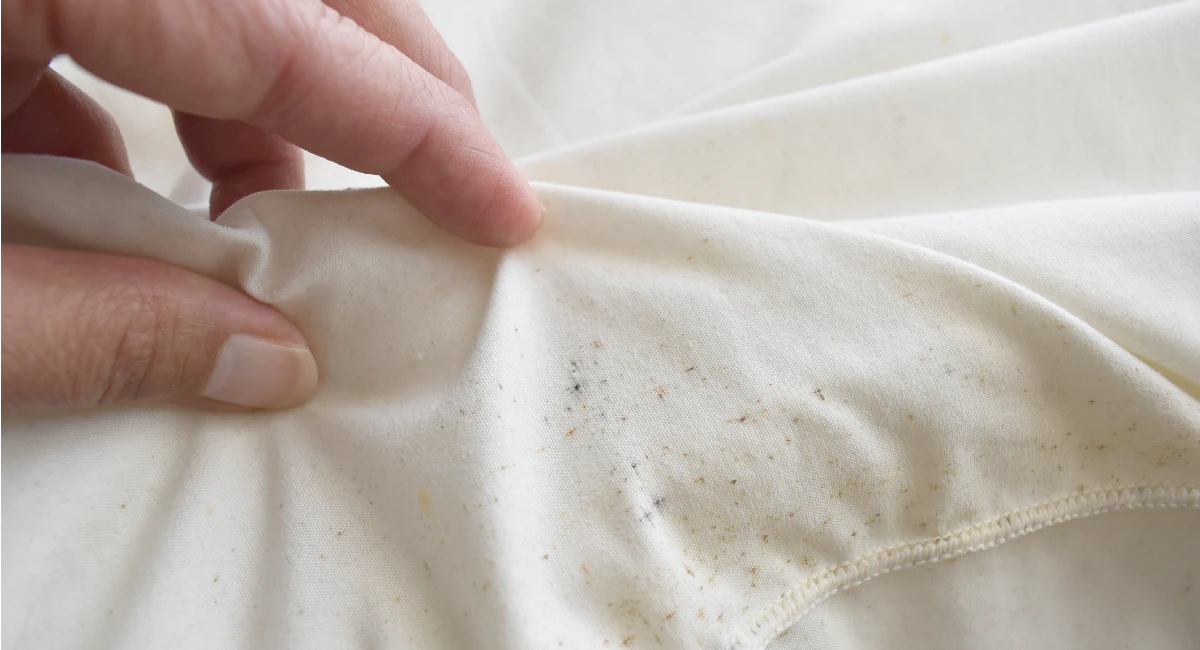
Bed bugs have to walk to you, crawl onto your body and find some exposed skin where they can search for a vein to draw blood with their needle-like mouth parts. Obviously, that will be difficult in broad daylight while you constantly move around at home, in an office, in other work environments or in places of leisure activities such as a shopping centre.
Bed bugs don’t live on your body like fleas, ticks and lice, and they can’t quickly fly in and out like mosquitoes and biting flies, as they don’t have wings. They also can’t jump onto you like fleas or spread from close person-to-person contact like lice. They only walk about a metre per minute, which is not fast, so they cannot scurry away when disturbed like ants and spiders.
When it wants to feed, a bed bug must detect a human, find its way to the person using CO2, heat and chemical sensors, and then locate a suitable vein. This process may involve piercing the skin multiple times, feeding on blood for 3 to 10 minutes, and returning to its hiding spot before being noticed or accidentally crushed. This means that a person must remain still for a significant period for a bed bug to feed on their blood successfully.
Bed bugs have to feed on blood to grow through each life stage, and mated females need a blood meal to produce each batch of eggs — typically 5–8 eggs in one batch per week over 18 weeks, if a blood meal is available. So, each bed bug has to take multiple meals during its lifetime. However, they have an uncanny ability to survive for long periods without feeding, which could be several months to over a year at low temperatures. So they can survive in an empty property or goods such as second-hand furniture for months, waiting for their next blood meal to arrive and continue their life cycle.
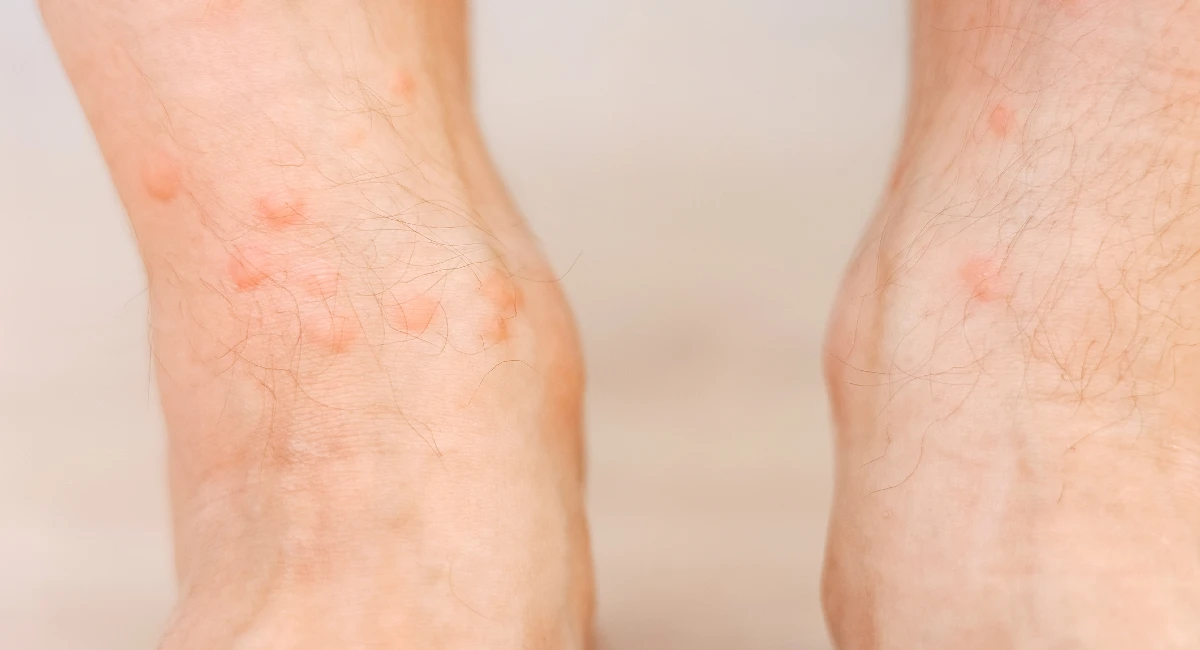
Bed bugs are perceived as harmless pests because they don’t transmit diseases, but they do affect human health, both directly and indirectly. Their bites and people’s physical and mental reactions to them can lead to a range of health issues, as described below.
Bed bugs pierce the skin with needle-like mouth parts and inject saliva, which contains at least 46 protein components. These have a range of properties, including anticoagulant, vasodilator inducer, platelet aggregation inhibitor and possibly antimicrobial and anaesthetic. The immune system recognises these as foreign substances and releases histamines and other chemicals to remove these proteins, leading to inflammation.
The reaction to these compounds varies between individuals. It may start as a small red lesion on the skin and progress to a large wheal, which can be intensely itchy as the immune response grows. In rare cases, vesicles containing clear or bloody liquid can appear. Repeated exposure to bites can increase the reaction. The time taken to show a reaction varies from minutes in sensitive individuals to 10 days, and it can take several days up to weeks to disappear.
Itchy bites cause many people to scratch the site, which can break the skin and lead to secondary bacterial infections, such as impetigo, cellulitis, ecthyma or folliculitis. Rubbing or scratching the skin with bed bug faeces has the potential to introduce pathogens in the faeces into the wound, as occurs with other biting insects, but this has not yet been recorded for bed bugs.
Bed bug infestations can significantly disrupt sleep, leading to insomnia or sleep deprivation caused by the itchiness of the bites or worrying about the infestation and knowing bed bugs are in the bed. This lack of sleep can have broader health effects, including anxiety, tiredness, depression, cognitive impairment and longer-term conditions such as coronary heart disease.
Anaemia can occur in cases of severe, prolonged infestations, especially in children, due to blood loss from multiple and frequent bites. The author of a seminal work on bed bugs once maintained his own colony that he fed on himself and measured the decline of his haemoglobin levels over several years. This act can be seen as brave or overly dedicated, depending on your point of view!
Bed bugs produce several allergenic materials, including shed skins from moulting, egg cases, faeces and blood spots, microscopic particles of which can spread through the air and cause respiratory conditions, including asthma. Asthma is uncommon, but several cases have been recorded in the scientific literature.

Scientists have developed several possible explanations for why bed bugs do not act as disease vectors, even though over 40 microorganisms have been found in their stomachs, faeces, exoskeleton and saliva.
1. Elimination of ingested pathogens
Bed bugs have a digestive system that is thought to destroy many microorganisms they ingest from feeding on blood. This means that many pathogens that enter their gut don’t survive long enough to be transmitted to a host. However, Some pathogens have been detected in bed bug faeces in laboratory conditions after they had been deliberately infected.
Bed bug saliva is thought to contain substances with antimicrobial properties, reducing the likelihood of pathogens surviving in their mouthparts or their saliva. So unlike mosquitoes, which infect humans with pathogens such as the malaria parasite and dengue virus when they inject their saliva, bed bug saliva does not transmit pathogens.
Unlike mosquitoes, which feed on multiple species and can spread pathogens between them, bed bugs have adapted to primarily rely on human sleeping and resting places for their life cycle. While they can feed on bats and chickens, these hosts are unlikely to be found close to these places. Bed bugs feed infrequently (once every 5-10 days) and remain hidden close to their hosts between meals. This behaviour limits their opportunities to interact with different animal hosts and acquire pathogens from them.
Bed bugs may have a heightened immune system that protects them from human pathogens. They are the only blood-feeding insect that mates by traumatic insemination, which creates a wound in the female’s abdomen and exposes it to pathogens. It is postulated that this may have selected bed bugs with a more active immune system over the course of their evolution.
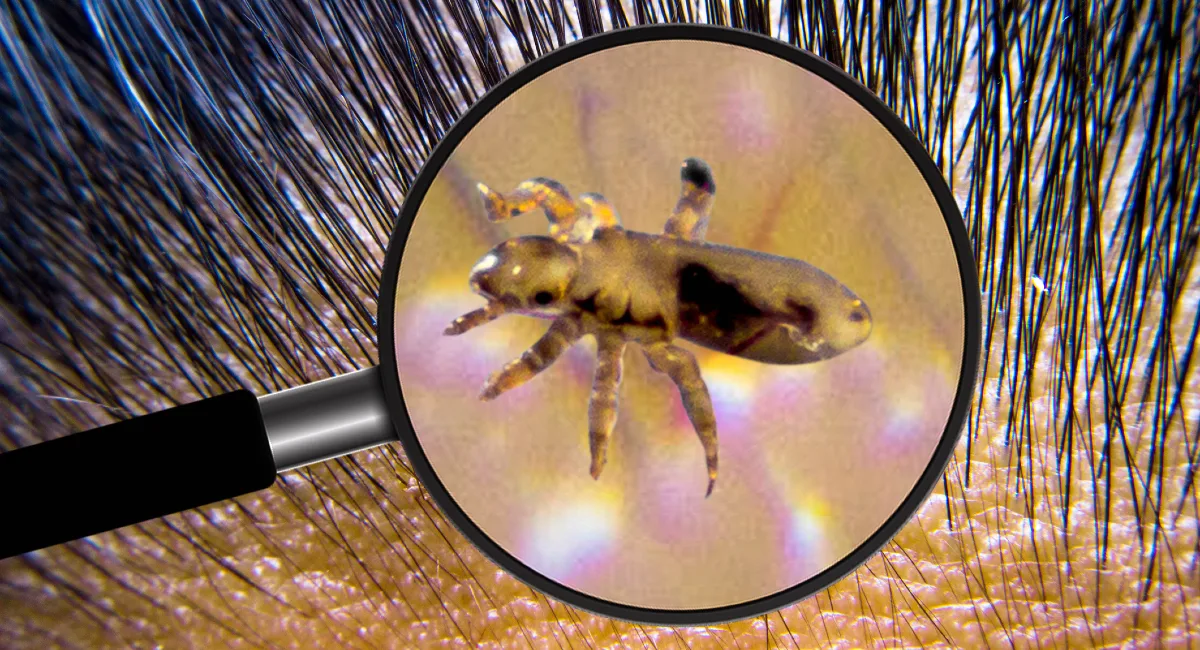
Scientists have rarely studied the transmission of diseases by bed bugs in recent years because there have been no recorded cases of it occurring, and it has been assumed that they don’t. However, their blood-feeding behaviour and ecological and physiological similarities to other insect disease vectors, such as Chagas disease-carrying triatomine bugs, suggest it could be possible. This makes some scientists think it is time to reinvestigate the risk using modern genetic analysis technologies. Here is a summary of some of the reasons why.
There is no physiological reason that prevents bed bugs from being pathogen carriers and they have transmitted various pathogens to animals in lab experiments, including Trypanosoma cruzi (causing Chagas disease), Bartonella quintana (trench fever) and Borrelia recurrentis (louse-borne relapsing fever).
Bed bugs have been found carrying pathogens in the field, including Bartonella quintana (trench fever) in a prison in Rwanda, Rickettsia felis (cat flea typhus) from a home in Senegal and Burkholderia multivorans (a rare bacterium causing meningitis) in North Carolina.
[H3] 3. Closely related species do transmit diseases
Other closely related species in the Cimicidae family transmit diseases to their preferred hosts:
Bed bug habits are similar to lice in that they are dependent on humans for feeding and don’t experience wild reservoirs of diseases from animal populations (except in rare cases for bed bugs). But they still readily transmit the louse-borne bacteria Bartonella quintana and Borrelia recurrentis, which cause serious diseases. These are transmitted from human to human in louse faeces and haemolymph (body fluid) from crushed bodies, not directly from a bite. The bacteria can enter the skin where it has been punctured by a bite or helped by scratching the area of bites. It may be possible that a bed bug bites an infected person and then days later carries the bacteria to another person, spreading it in its faeces.
Luckily, as far as we know, no one has been infected in these circumstances. A recent study (2024) analysing the RNA of bed bugs from eight locations around the world found several bed bug viruses but no trace of any human pathogens. The key is to conduct more research into bed bugs and their ability or non-ability to transmit diseases. It would be good to know if they do have an innate ability to neutralise human pathogens that enter their bodies.
Bed bugs are a significant nuisance and can have a range of adverse health effects on people, from skin irritation and allergic reactions to sleep disturbances and mental health issues. However, they are not known to transmit diseases. This is due to their feeding behaviour and possibly the biological properties of their saliva, their limited interaction with non-human hosts and their ability to efficiently break down pathogens within their bodies.
This doesn’t reduce the need for bed bug control to prevent and eliminate infestations. Their recent resurgence has been due to misuse and overuse of insecticides, resulting in populations resistant to currently available products. The key is to be vigilant when travelling and use integrated pest management deployed by pest management professionals when infestations occur to ensure all clusters and individuals are completely eliminated.
Contact your local Rentokil office for safe, effective bed bug control.
Tailored, reliable pest management for homes and businesses, ensuring pest-free spaces for work, life and play