myRentokil
Manage your business
The fruit fly is a seemingly innocuous pest that can quickly multiply and become a significant issue in a restaurant if proper measures are not implemented. For restaurant owners and managers, controlling fruit flies is a critical aspect of maintaining a clean, hygienic and welcoming environment.
This blog will describe practical and effective strategies for eliminating existing fruit fly infestations and implementing preventative measures that keep the tiny pest from establishing itself in a restaurant.
The first step in controlling fruit flies is to develop a comprehensive and proactive strategy known as integrated pest management (IPM). IPM moves beyond simply reacting to visible flies with sprays or traps. It is a sustainable, science-based approach that focuses on understanding the pest's life cycle and habits to prevent infestations through a combination of methods. Key components of an IPM program for fruit flies include:
This guide provides the framework and detailed actions necessary to implement an effective fruit fly IPM program tailored to the demanding environment of a restaurant.
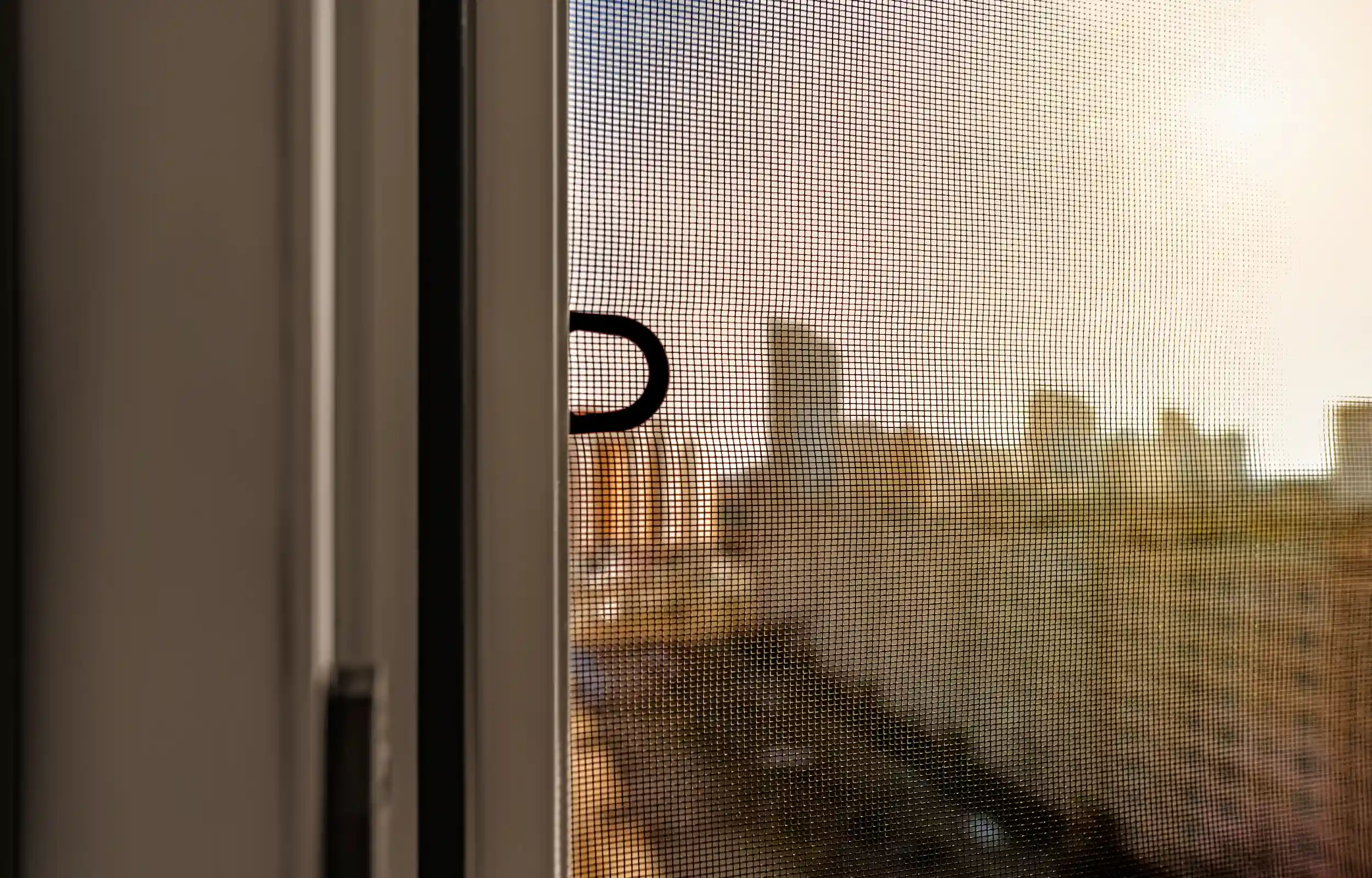
Physically blocking flies from entering the restaurant is the first line of defence. This involves focusing on the building's structure and potential fruit fly entry points:
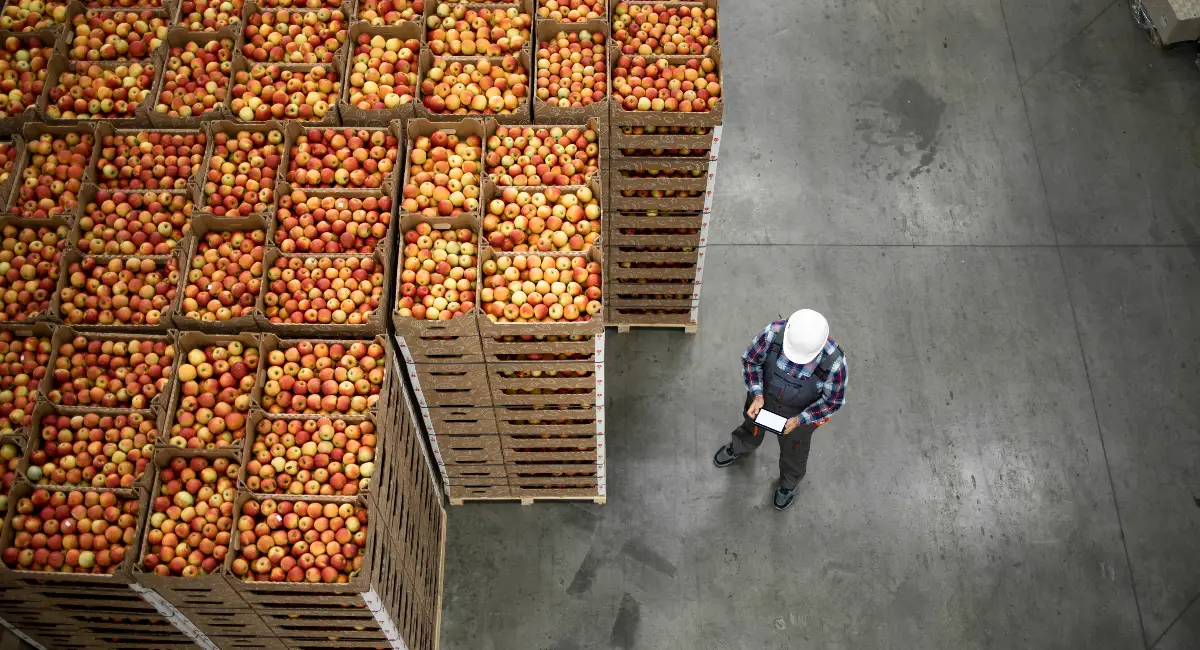
Fruit flies, often as eggs or larvae, can be inadvertently brought into the restaurant on food deliveries. Implementing strict receiving protocols is essential:
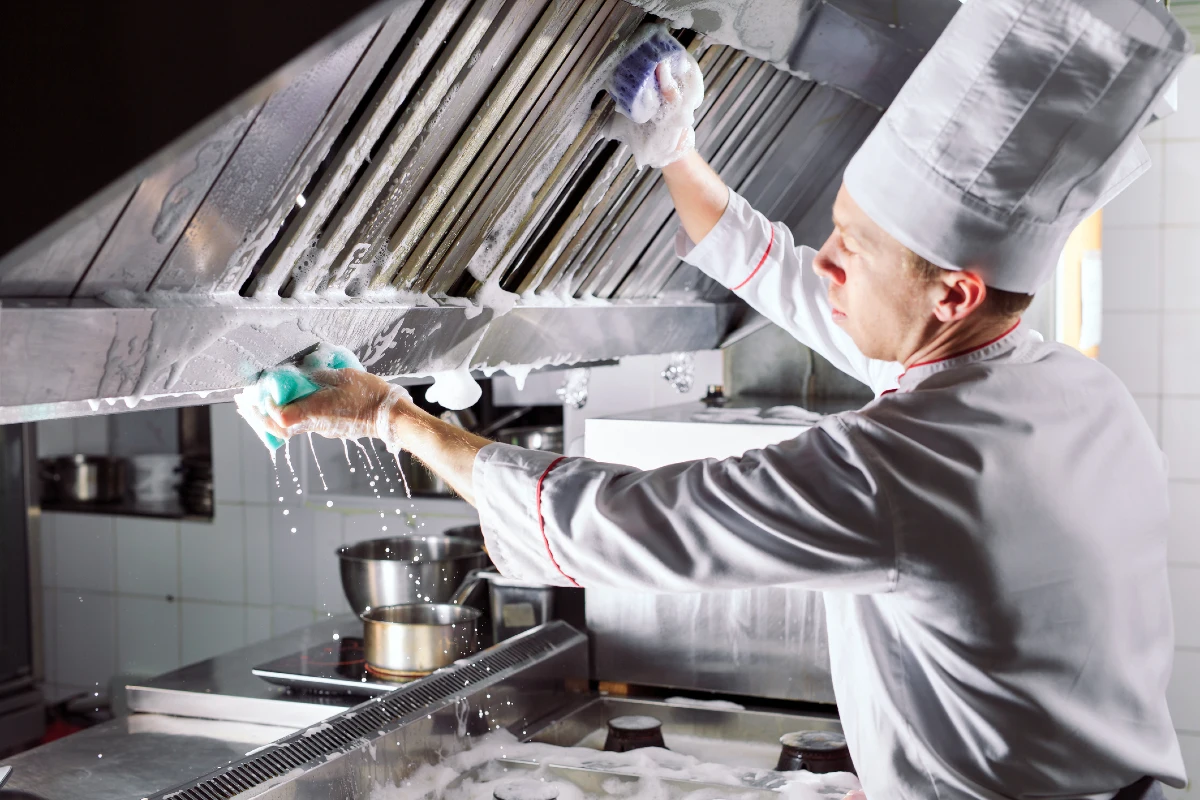
A comprehensive sanitation programme is an essential component of fruit fly control in a restaurant. Fruit fly infestations result from inadequate cleaning and removal of materials that fruit flies can breed in. They only need a thin film of fermenting liquid for larvae to feed on, and their rapid reproduction cycle means regular sanitation practices are needed to break the lifecycle and prevent infestations.
A cleaning schedule needs to describe in detail the tasks, frequencies and responsibilities, and the specific tools, cleaning agents and techniques to be used.
Given their high-risk nature and multiple sources of fruit fly food, bars demand meticulous daily sanitation:
Proper food storage prevents attractants and potential breeding sites:
Drains are primary breeding grounds and require specific, regular maintenance beyond just flushing with water.
Eliminating excess moisture is critical, as fruit flies require both moisture and organic matter for breeding:

Poorly managed waste, which leaves it exposed to fruit flies, is a primary attractant and breeding ground for fruit flies and other flies. Rigorous waste handling procedures are a critical part of a prevention strategy:
Effective prevention requires a holistic approach, addressing potential entry points, managing incoming goods, and meticulously controlling internal waste streams. Failure in one area, such as neglecting bin cleaning, can undermine efforts made in exclusion or receiving.
Consistent monitoring plays a key role in preventing a small fruit fly incursion from turning into an infestation. Restaurant staff should be trained to be the eyes of a monitoring programme. Because fruit flies have a short lifecycle, daily visual inspections of areas where they are most likely to breed and feed are needed. These should be combined with the use of fruit fly traps, as detailed below.
The hotspots to monitor are the same as for the sanitation schedule, and include:
Traps help confirm the presence of flies, estimate the scale of the population and pinpoint areas of highest activity. While they can capture some fruit flies, they cannot solve an infestation alone, because they only remove a portion of the adults, and not the underlying problem: the fruit fly breeding sites.
A fruit fly trap is made from a small plastic container with a small opening or funnel. An attractant liquid, such as fruit juice, vinegar, beer or wine, is placed inside, along with a drop of soap, so the flies sink into the liquid and drown. The tops are often coloured yellow to help attract the fruit flies. Many commercial traps are available, and they can also be made using a jar and a paper funnel.
Place traps strategically near areas where fruit flies are observed or where breeding is suspected (e.g. near drains, waste storage, bars, produce storage) but always ensuring they cannot contaminate food or food-contact surfaces. The number of traps needed depends on the size of the facility and the extent of the problem. Check traps regularly (daily or weekly) to monitor the number of flies caught and maintain a log of catches. High capture rates in a specific area strongly suggest a nearby breeding source that requires immediate action.
Once a breeding site has been identified:
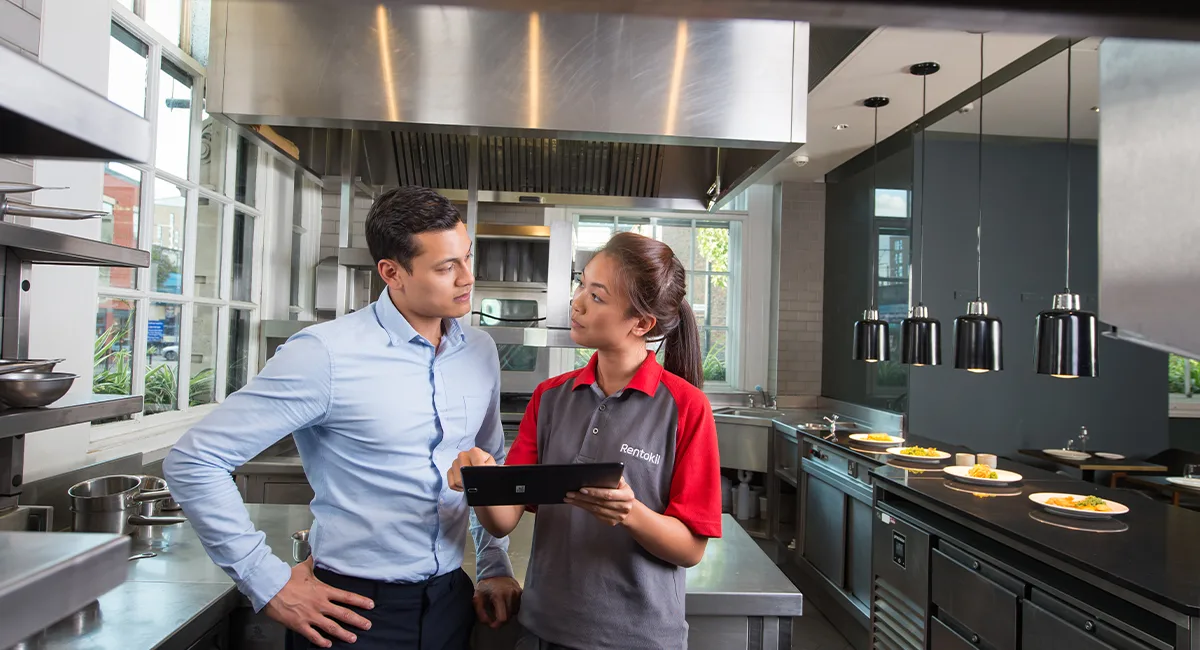
If fruit flies continue to be a problem despite internal measures, such as consistent and thorough cleaning, sanitation, and attempts to locate the sources, then professional assistance is needed. Professional pest controllers have expertise and resources to:
The key to long-term success in preventing fruit flies is embedding the practices described above into the restaurant’s standard operating procedures. Sanitation checklists, regular inspections, strict receiving protocols and meticulous waste management must become part of the daily routine.
A fruit fly-free restaurant will be cleaner, better maintained, and have a higher standard of food safety. By committing to the ongoing implementation of IPM strategies – exclusion, sanitation, monitoring and targeted intervention when necessary – restaurants can protect their customers, their reputation and their bottom line from these persistent pests. Sustained effort is the key to making the restaurant a true "no-fly zone".
Keeping hotels and restaurants safe from costly pest infestations