0808 273 1010 Get in touch Request a callback

How to eliminate flies in restaurants: a guide for food businesses

Working in the food industry naturally comes with many responsibilities and challenges for business owners to keep staff and customers protected. Among these challenges is the struggle to tackle pests and the trouble they can cause.

From rodents and flies to SPIs and birds, there are so many pests that can easily undo the hard work and reputation of businesses if necessary precautions aren’t taken. For example, flies are a significant health risk, can compromise food safety, ruin the dining experience and transmit Salmonella, E. coli and Campylobacter. Join us as we uncover flies’ favourite spots on your premises and explore some proven strategies to eliminate flies from restaurants to help you keep your premises hygienic, compliant with regulations and free from flies.
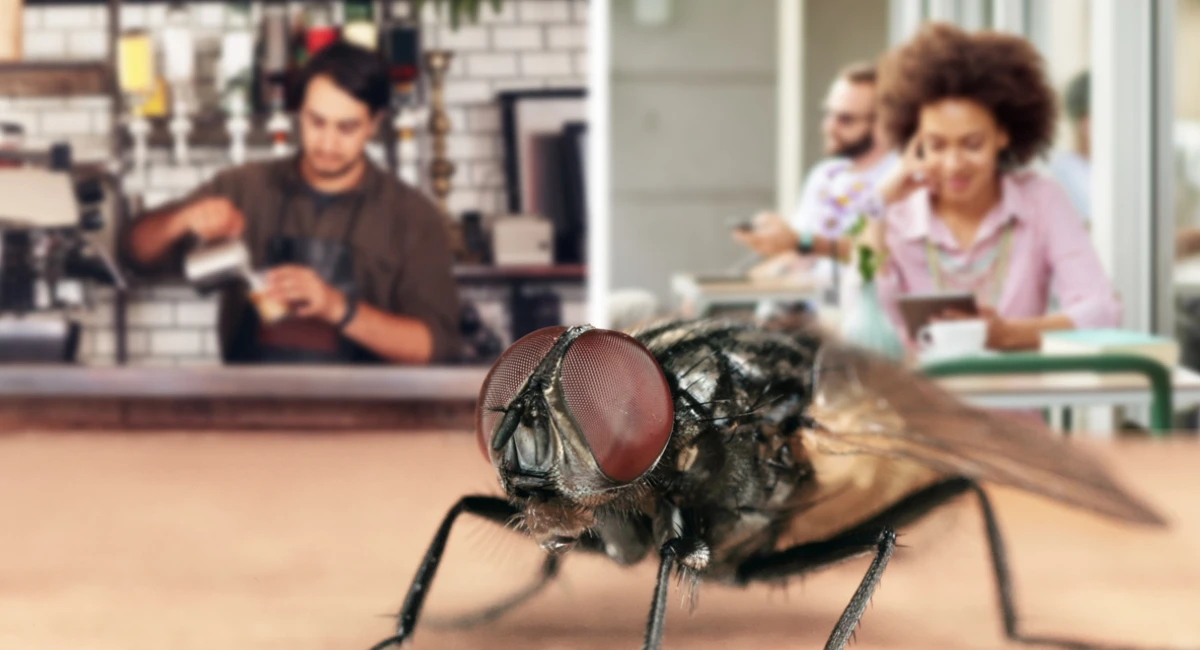
Fly

Fly hotspots in restaurants

Firstly, let’s talk about where you might find flies on your premises. Food service settings provide flies with multiple locations to thrive, but they’re particularly drawn to areas where food and waste are abundant. The two most common types of flies that pose a risk to food businesses are fruit flies, which feed on fruits, vegetables and fermented liquids, and houseflies, which are attracted to a broader range of organic materials, including human food, garbage and excrement.

Some of the areas where flies are particularly likely to be found in food settings are:
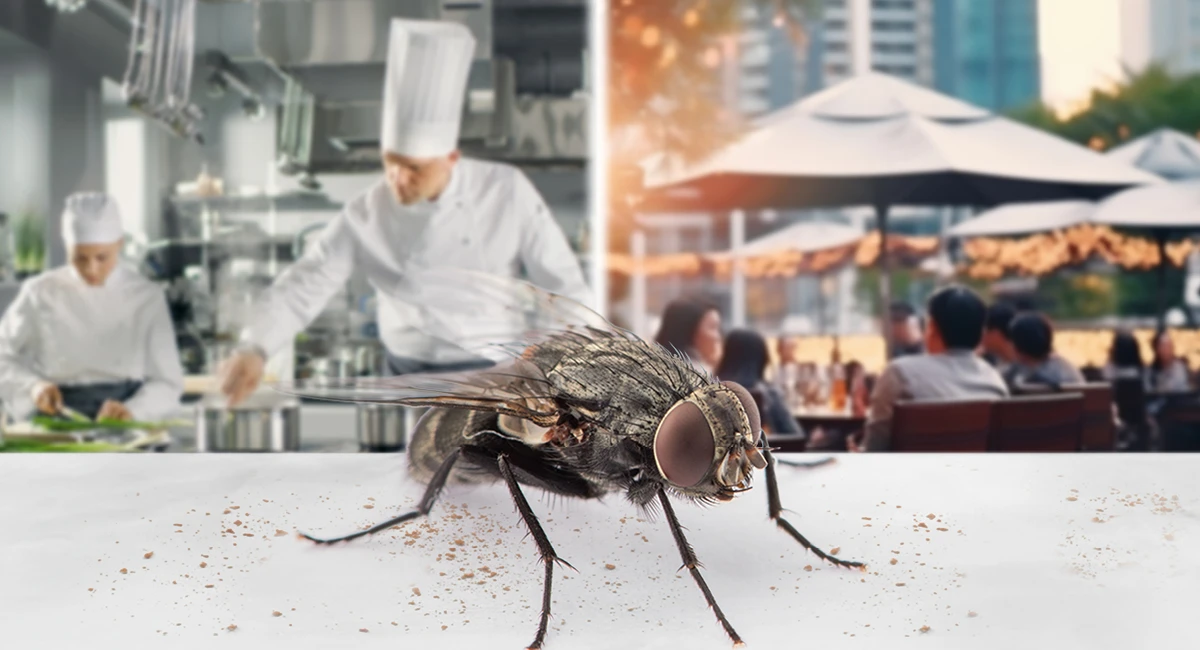
  • Food preparation areas: Flies can contaminate foodstuffs in preparation areas with pathogens, leading to foodborne illnesses.
  • Dining areas: The sight of flies, particularly in dining areas, can ruin customer experiences and tarnish the establishment's reputation.
  • Waste disposal areas: Unclean or uncovered garbage areas provide ideal breeding grounds for flies.
Fly in the kitchen

Effective fly-control measures for restaurants

Let’s look at some of the steps your business can take to mitigate the chaos flies could cause if left unchecked.

1. Sanitation and hygiene

The first, and arguably most important, step restaurants can take to prevent flies is maintaining cleanliness, but what should an effective cleaning programme include?

  • Food waste: Remove food waste as soon as possible and don’t leave it lying around indoors or outdoors.
  • Waste management: Rubbish bins and surrounding areas must be regularly cleaned of any residue and sanitised. Lids should also always be closed to prevent flies from accessing waste and should be emptied regularly. This will ultimately reduce the risk of disease transmission and infestations and help maintain hygiene standards.
  • Surface cleaning: Regularly wipe down all surfaces, especially those in the kitchen and dining areas, to remove food residue that can attract flies.
  • Equipment cleaning: Equipment that comes into contact with food must be cleaned effectively and the areas around it.
  • Drain maintenance: Keep all floor drains and sinks clean and free of debris to eliminate potential breeding sites.

2. Physical barriers

  • Screens and mesh: Screens on windows and doors can prevent flies from entering, and they are particularly useful around kitchens and waste-disposal areas.
  • Air curtains: Use air curtains at main entrances to prevent flies from entering.
  • Seal entrances: Ensure that doors and windows close properly; gaps can provide easy access for flies.

3. Proper food storage

  • Store securely: Keep all food in sealed containers or refrigerated to avoid attracting flies with accessible food sources.
  • Manage produce: Inspect fruit and vegetables on delivery for spoilage and continue to regularly do so, removing any that are overripe or damaged to prevent fruit flies from laying eggs.

4. Professional fly-control solutions

  • Insect light traps: Professional pest control companies can survey your premises and install LED insect light traps that effectively attract and capture flies indoors or an effective fly-control solution, such as EcoCatch Flies for outdoor fly control. They’ll ensure these traps are appropriately positioned and serviced regularly to maximise their efficacy.
  • Pesticide application: In some severe cases, pest control technicians may find professional pesticide treatments are necessary. They’ll conduct these treatments safely and according to local regulations, including food safety regulations to avoid contamination of food areas and products.

5. Regular inspections and monitoring

Conduct regular inspections: Routinely check for signs of fly activity, particularly in high-risk areas like waste disposal zones and food storage areas.

6. Staff training

Educate your team: Ensure all staff members are aware of the importance of fly control and train them in proper sanitation practices and waste management.

Customer and technician in a kitchen

Looking to protect your premises from flies?

Ready to tackle flies in your restaurant? We’re here to help with solutions specially tailored to your unique environment and business needs. Our experts are trained to assess your premises and implement comprehensive strategies that ensure a hygienic, safe and pleasant environment for your staff and customers.

Visit rentokil.com or contact us for more.

Digital pest control

Technology and data-driven digital pest monitoring for effective, smart pest management solutions

  • Our digital pest management system monitors constantly, reacts instantly and reports directly
  • Real-time alerts and data-driven insights help mitigate risk and inform preventative measures
  • Rapid response pest control from your local service team to tackle pest problems fast
Find out more

Related posts