myRentokil
Manage your business
For restaurant owners and managers, the sight of a cockroach scurrying across the floor is more than unpleasant; it serves as a major warning sign of potential trouble. Cockroaches pose a significant threat to a restaurant's reputation, compliance with health and food safety standards and, ultimately, its bottom line. They can spread harmful pathogens and allergens, contaminate food and give customers negative experiences. Harbouring these unwelcome pests can result in serious consequences, including significant fines and even closure of the restaurant.
Controlling cockroaches in a restaurant environment presents a unique and persistent challenge. Their resilient nature, rapid breeding cycles and ability to hide in the smallest cracks and crevices make them difficult to eradicate.
Understanding their biology and behaviour, along with implementing integrated pest management principles (IPM), is crucial for maintaining a clean, safe, and successful food service establishment. This article describes practical steps to effectively prevent and tackle a cockroach infestation, protect your business, and ensure a pest-free environment for your staff and patrons. This article covers:
Restaurants offer the three conditions that cockroaches need to survive: food, water and shelter. Cockroaches can infest restaurants through various pathways, exploiting any weak points and the favourable conditions that restaurants can provide. Understanding how cockroaches access these resources in a restaurant environment is crucial to preventing and managing infestations.
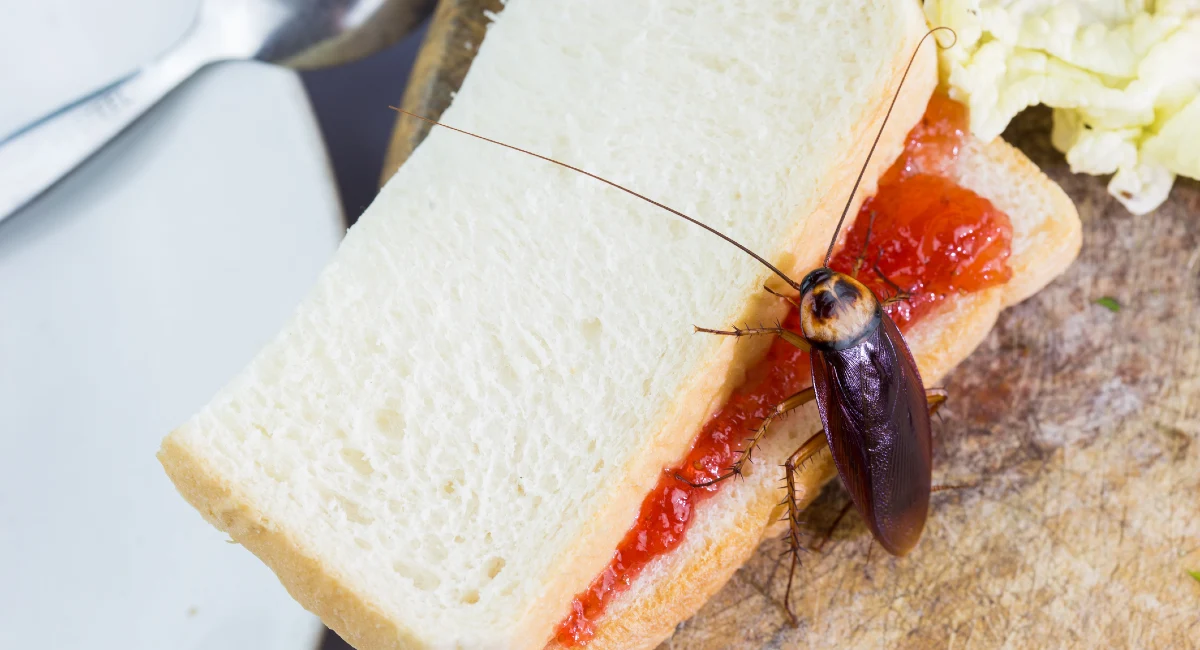
Incoming supplies and deliveries
This is a very common way for cockroaches to gain access. German cockroaches, in particular, are effective "hitchhikers". They can hide within and on incoming supplies, including packing materials, cardboard boxes and pallets. Even items brought in by employees, such as on their personal belongings, could potentially introduce cockroaches.
Structural openings
Cockroaches can squeeze through surprisingly small spaces. Adult German cockroaches can hide in a crack as narrow as 1/16 inch (1.6 mm). They can also enter through cracks and crevices in walls, floors, and around doors and windows. Openings around pipes, conduits, utility lines and exhaust vents also provide potential access points.
Plumbing and drainage systems
Cockroaches can navigate through plumbing systems, using drain and sewer pipes to move between buildings and gain entry. If not properly managed, floor drains and sewer connections can provide a continuous pathway into the restaurant. American cockroaches are particularly known to climb up floor drains and sewer pipes.
Migration from outdoor populations
Certain cockroach species, such as American, Oriental, brown-banded, smoky brown, and Turkestan cockroaches, can survive and thrive outdoors in warmer climates or seasons. These species may forage for food or water, or seek shelter nearby and subsequently enter the restaurant.
Conducive conditions around the building, such as dense vegetation like ivy, woodpiles, leaf litter, compost piles, potted plants and storm drains can provide harbourage for these outdoor cockroaches, increasing the likelihood of them finding their way inside.
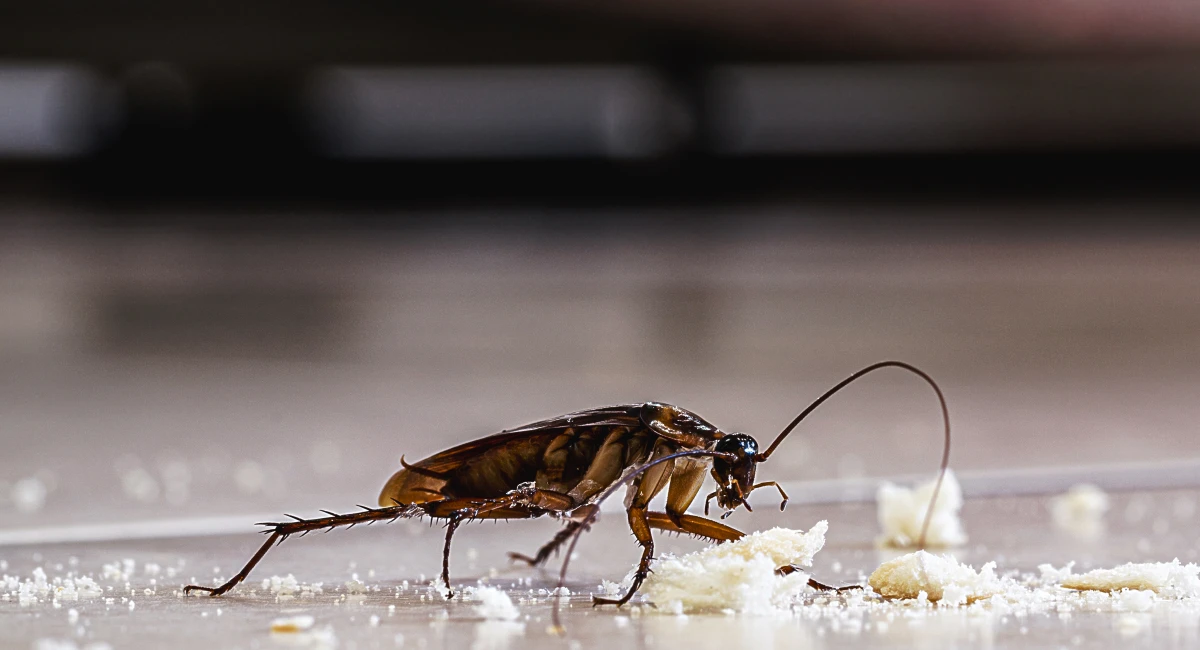
Food sources
Cockroaches feed on a wide range of organic matter. Even tiny amounts of crumbs, grease, or food residue can sustain them. Specific examples include residues on processing equipment or floors, light organic build-up, spilled food, pet food left out, unwashed dishes, and garbage. In restaurants, decaying vegetables and meat odours can attract flies, indicating unsanitary conditions that can also attract cockroaches.
Some species, like brown banded cockroaches, prefer starchy foods such as the glue on stamps and envelopes. Cockroaches in hiding places may also feed on rodent and bird droppings and animal carcasses.
Water and moisture
Water is crucial for cockroach survival. German cockroaches can live less than two weeks without it, even with abundant food. Sources of moisture include leaky pipes and plumbing fixtures, condensation, water left in sinks or bathtubs, pet water dishes, overwatered indoor plants, and unrinsed glasses or cans. High humidity can also provide sufficient moisture.
Different cockroach species prefer different moisture levels: Oriental cockroaches favour cool, dark, damp places, while American cockroaches prefer warm and humid environments, and German cockroaches prefer warm (70–75°F), humid areas. Brown-banded cockroaches prefer temperatures around 80°F. Temperatures between 59–84 °F are generally optimal for their reproduction.
Shelter and harbourage
Cockroaches prefer dark, warm, and undisturbed places, especially narrow spaces where surfaces touch them on both sides. They hide in cracks and crevices in walls, floors, and furniture, under appliances (refrigerators, stoves), behind paintings, in hollow parts of furniture, and within accumulations of clutter such as newspapers, magazines, bags, boxes and cloths.
Other common harbourage sites include voids, sewers, drains, steam tunnels, water meter boxes, areas around food waste containers, hollow walls.
Even small gaps or holes leading to voids can be prime harbourage areas, as adult cockroaches can fit into cracks as narrow as 1/16 inch (1.6mm). In restaurants, hot spots include leaky pipes, piles of paperboard cartons, sagging spots in storage areas, storage drawers with food debris, and areas under sinks or inside cooking equipment.
Cockroaches are cryptic and primarily nocturnal insects. They prefer darkness and often only come into the light when necessary due to overpopulation or to find food.
Applying Integrated Pest Management (IPM) is the best way to control cockroaches in a restaurant. IPM provides a comprehensive strategy that combines a range of methods, as pesticides alone will not solve the problem. IPM focuses on understanding the pest's biology and habits to implement the safest and most effective control measures, focusing on prevention as the prime means of control.
Here's a detailed breakdown of how a restaurant can apply IPM to manage cockroaches.
The first crucial step in an IPM program is to correctly identify the species of cockroach present. Different cockroach species have varying behaviours, habitat preferences, and responses to control methods. The most common cockroach species worldwide that infest restaurants are:
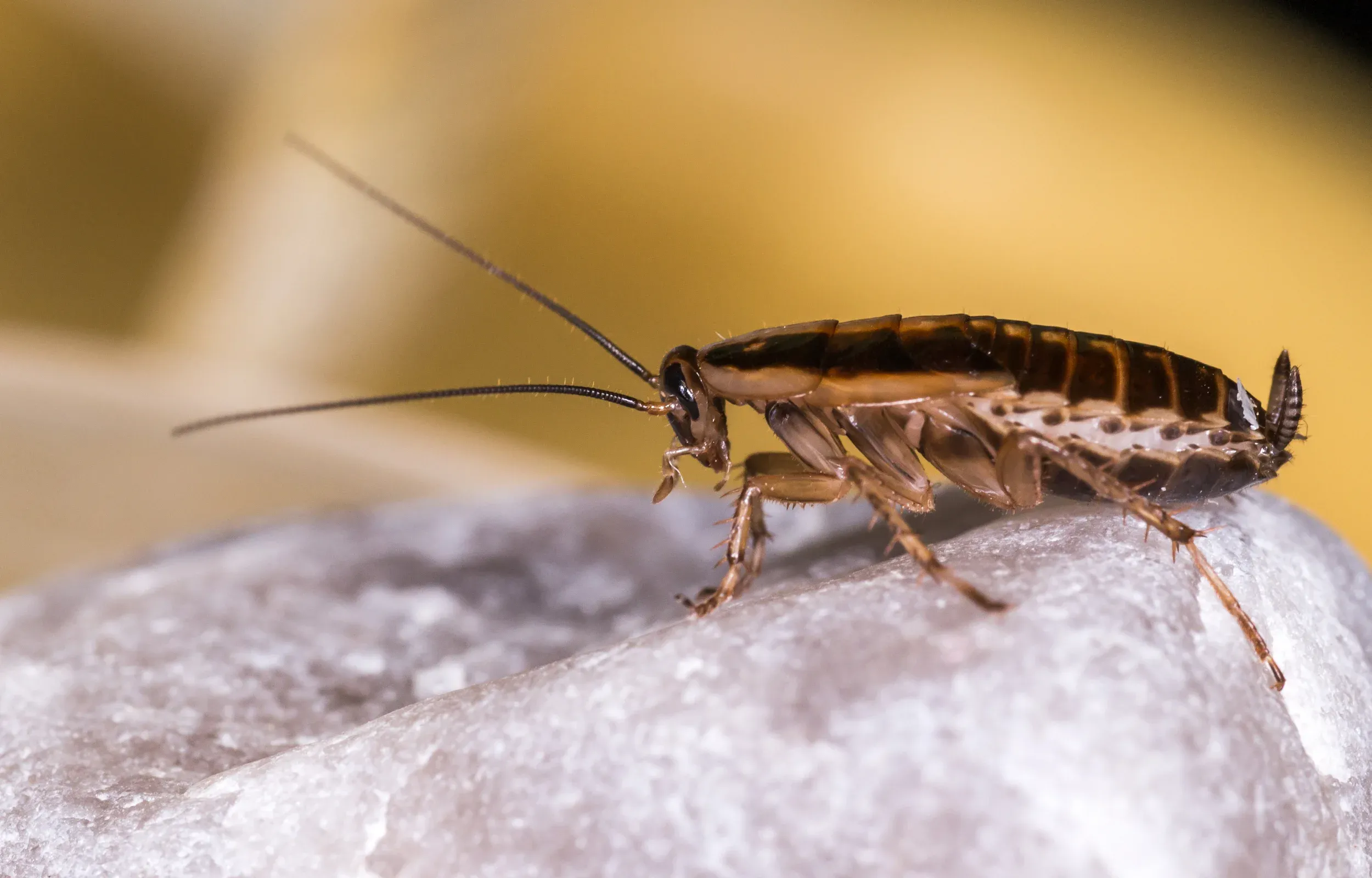
German cockroach (Blatella germanica): This is the most common and serious in food facilities. It favours warm (70–75°F/ 21–24°C), moist areas near food and water, such as kitchens and bathrooms. It is about ½ inches (13 mm) long, light brown with two dark stripes behind its head, and reproduces rapidly.
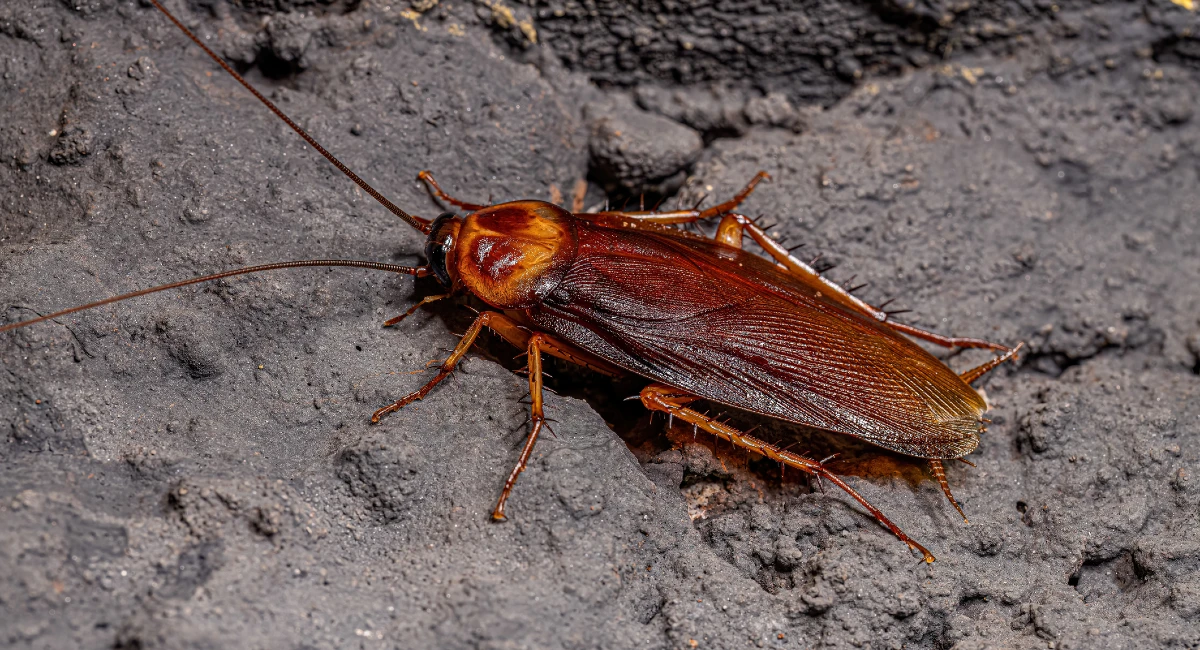
American cockroach (Periplaneta americana): This is the largest cockroach encountered indoors. It is about 2 inches (5 cm) long, reddish-brown, and has pale yellow bands behind its head. It prefers warm (82°F/ 28°C), humid environments like basements and drains. It often crawls up floor drains and sewer pipes, which increases the transmission risk of dangerous pathogens.
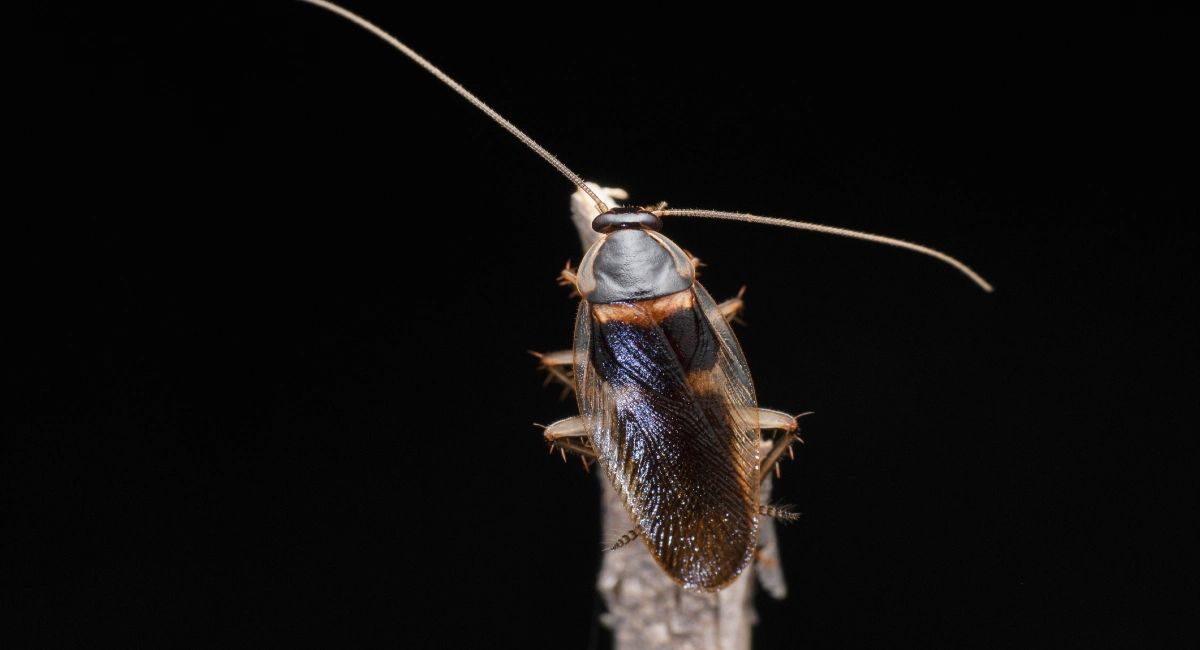
Brown-banded cockroach (Supella longipalpa): This cockroach is smaller than American cockroaches, at ½ inches (10–14 mm), and light to dark brown with light-coloured bands on its abdomen. It prefers warmer temperatures (around 80°F/ 27°C) and is found in crevices near electrical appliances, furniture, and clutter, not exclusively in food preparation areas.
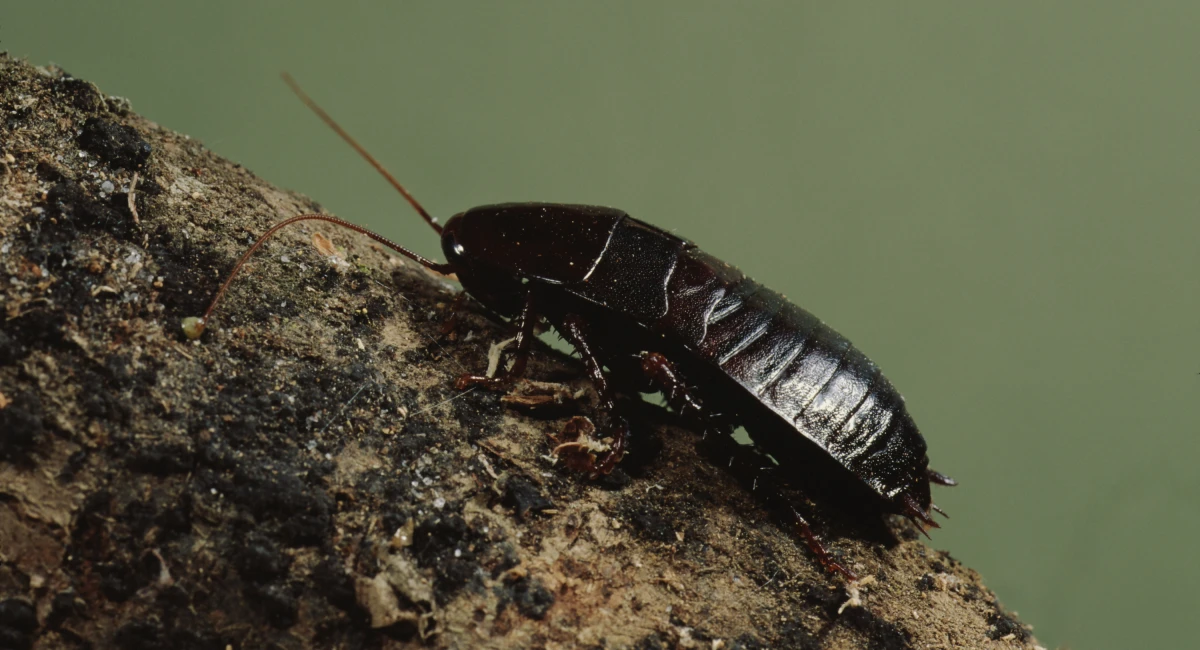
Oriental cockroach (Blatta orientalis): Intermediate in size (about 1¼ inches), glossy dark brown or black. It prefers cool, dark, and damp places such as basements and drains.

The most effective means of preventing cockroaches is to eliminate food, water and shelter using the following sanitation practices.
1. Reduce food sources
2. Eliminate water and moisture sources
3. Exclusion and removal of hiding places
By consistently implementing these proactive measures, you can significantly reduce the likelihood of cockroach infestations by eliminating their essential resources and preventing their entry into buildings.
Regular monitoring is essential to detect cockroach populations, identify heavily infested areas, and evaluate the effectiveness of control efforts.
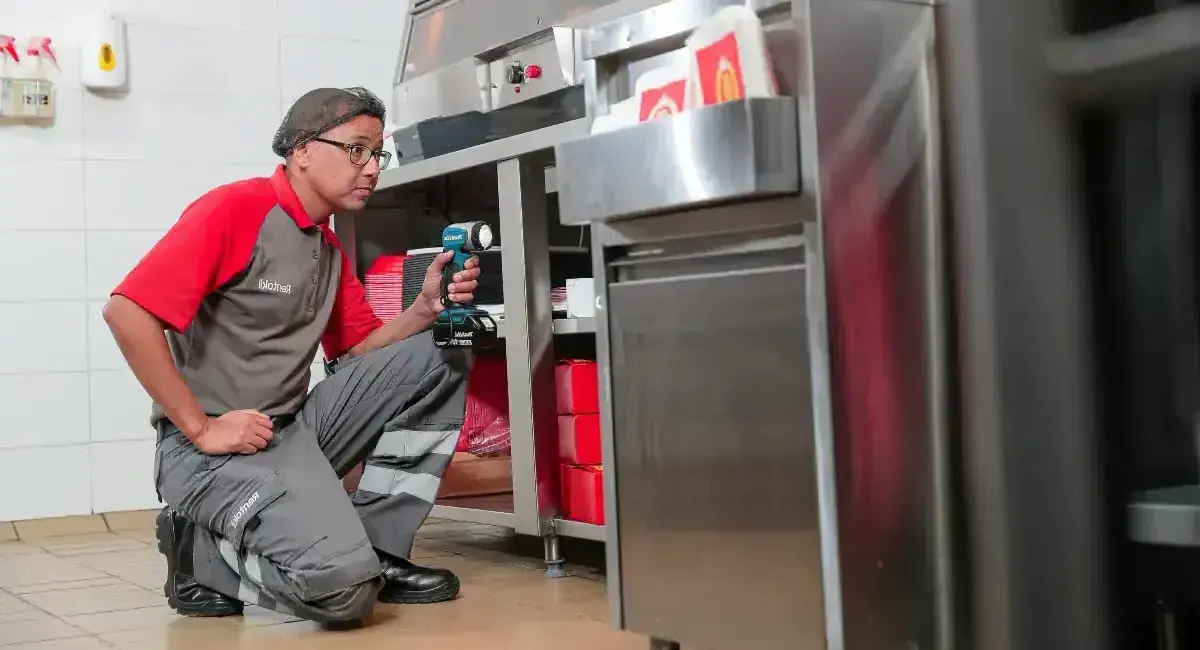
An IPM approach prioritizes non-chemical methods first. If chemical pesticides are needed, they should be used in a targeted manner using products posing the least risk. Special care should be taken to prevent contamination of food, packaging, equipment, utensils and around the restaurant.
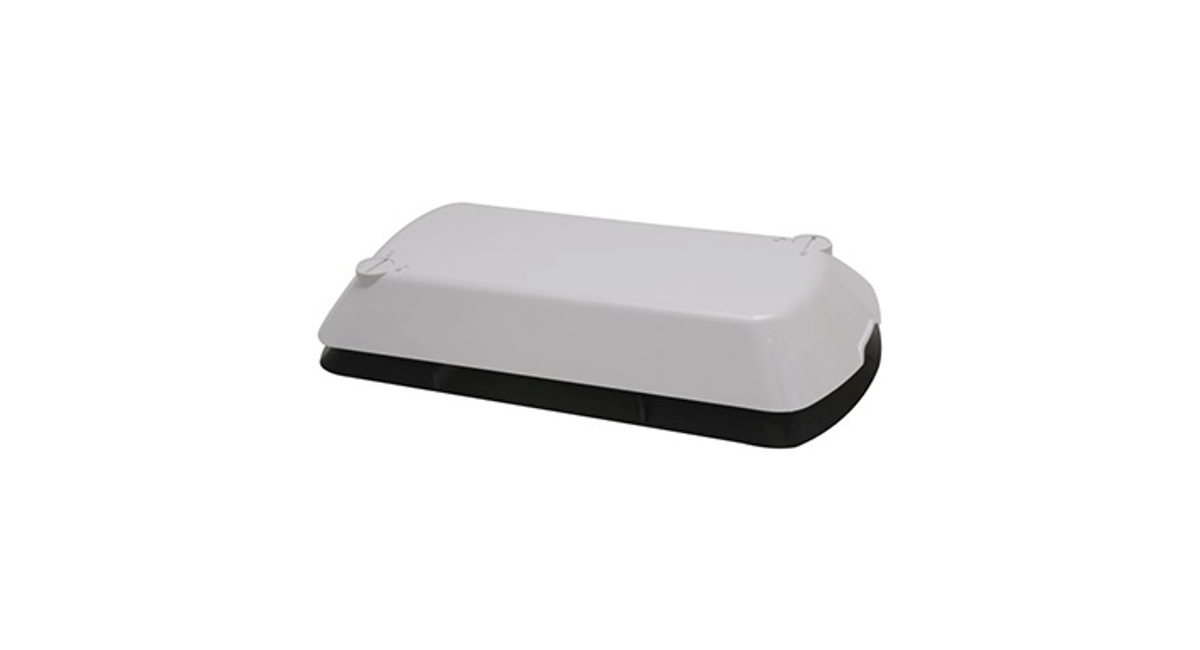
Non-chemical methods
Chemical control
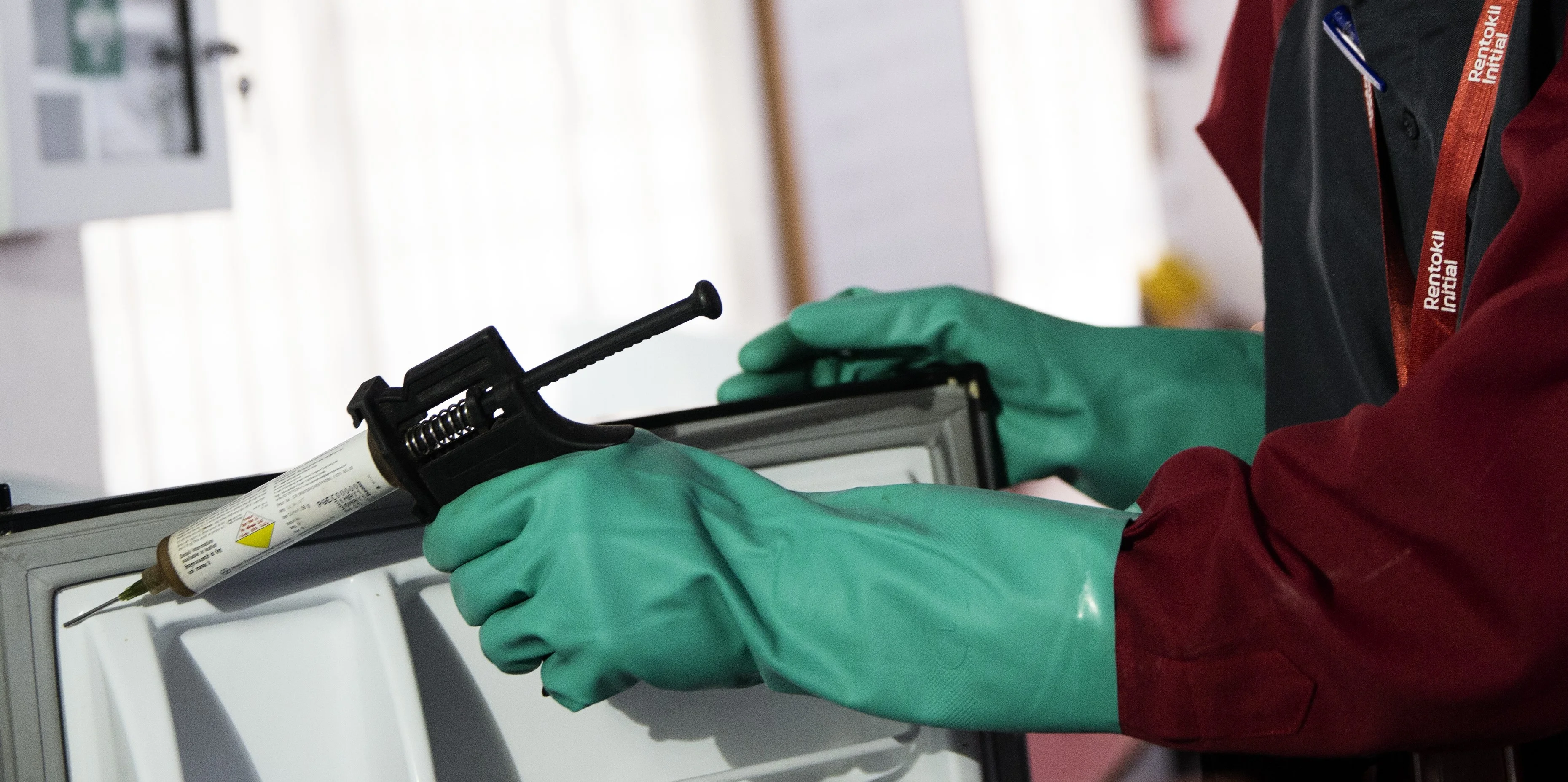
Insecticides are most effective when combined with sanitation and exclusion. Remember, pesticides alone will not solve the problem and it is best to get professional help when using insecticides in a restaurant environment.
Factors to consider before using pesticides include the infestation level, cockroach species, location and regulations.
After implementing control measures, it's crucial to regularly evaluate their effectiveness through continued monitoring and adapt them accordingly.
For serious indoor infestations or complex cockroach problems, engaging professional pest control services [add link ] is often required. When choosing a company, ensure it meets legal requirements, including proper certification and licensing, and ask for local references. A professional can provide expert identification of the pests, develop a tailored IPM plan, and apply products that may not be available to the general public.
By consistently applying IPM principles, using a proactive approach focused on prevention, and maintaining an ongoing monitoring and maintenance program, a restaurant can achieve effective and long-term cockroach control. This will reduce the reliance on pesticides and create a healthier and safer environment for staff and customers.
Find out more about our professional cockroach control services.
1. Jacobs, S. 2013. American Cockroaches. Penn State University. Available at: https://extension.psu.edu/american-cockroaches
2. Jacobs, S. 2013. Brown-banded Cockroaches. Penn State University. Available at: https://extension.psu.edu/brown-banded-cockroaches
3. Sutherland, AM, Choe, D-H, and Rust MK. 2020. Cockroaches Management Guidelines. University of California. Available at: http://ipm.ucanr.edu/PMG/PESTNOTES/pn7467.html
4. Bole, DK. 2022. Common pests in restaurants and how to deal with them — Part 1. Food Safety, 20 June. Available at: https://www.food-safety.com/articles/7828-common-pests-in-restaurants-and-how-to-deal-with-thempart-1
5. Pennsylvania IPM Program. 2024. Got Roaches? Eliminate Roaches with IPM. Penn State University. Available at: https://extension.psu.edu/got-roaches-eliminate-roaches-with-ipm
6. Jacobs, S. 2013. German Cockroaches. Penn State University. Available at: https://extension.psu.edu/german-cockroaches
7. Jacobs, S. 2013. Oriental Cockroaches. Penn State University. Available at: https://extension.psu.edu/oriental-cockroaches
8. Skvarla, MJ. 2023. Wood Cockroaches. Penn State University. Available at: https://extension.psu.edu/wood-cockroaches
9. Lupo, L. 2014. Cockroach FAQs. Quality Assurance & Food Safety, 3 June. Available at: https://www.qualityassurancemag.com/article/qa0614-cockroaches-pest-management/
10. Rust MK. 2008. Cockroaches. Chapter 2. Public Health Significance of Urban Pests. Pages 53–84. Available at: https://iris.who.int/bitstream/handle/10665/107363/E91435.pdf?sequence=1
Technology and data-driven digital pest monitoring for effective, smart pest management solutions