myRentokil
Manage your business
Ever wondered what goes on behind the scenes of world-leading innovations? In this blog, we’re opening up our doors to show you how we transform ideas into industry- leading pest control solutions.

Our typical product development process follows a structured yet agile approach and begins with a simple premise: no idea is too outlandish. Our experts are encouraged to think outside the box, exploring every avenue for improvement and advancement.
"We have a lot of ideas. Loads of them. A lot of them sound crazy, and most would be legal somewhere in the world," Matt Green, our Principal Entomologist, admits. Among these “crazy” ideas have been suggestions to feed cockroaches popping candy next to a microphone and using pool noodles to make a bird trap.
But we don’t just chase any idea. We meticulously analyse market trends, listen to our customers and identify opportunities where we can make a difference.
This is where the exciting process of concept development and feasibility studies kicks in. We refine those initial ideas and assign the relevant subject matter expert(s) to create a concept, shaping them into viable solutions that hold the potential to revolutionise pest control.
This initial phase, from idea conception to a viable concept, can take anything from a few months for a hardware project to up to 10 years for chemical solutions as these need to go through various country and regional registrations, which can take up to 6– 7 years in themselves.
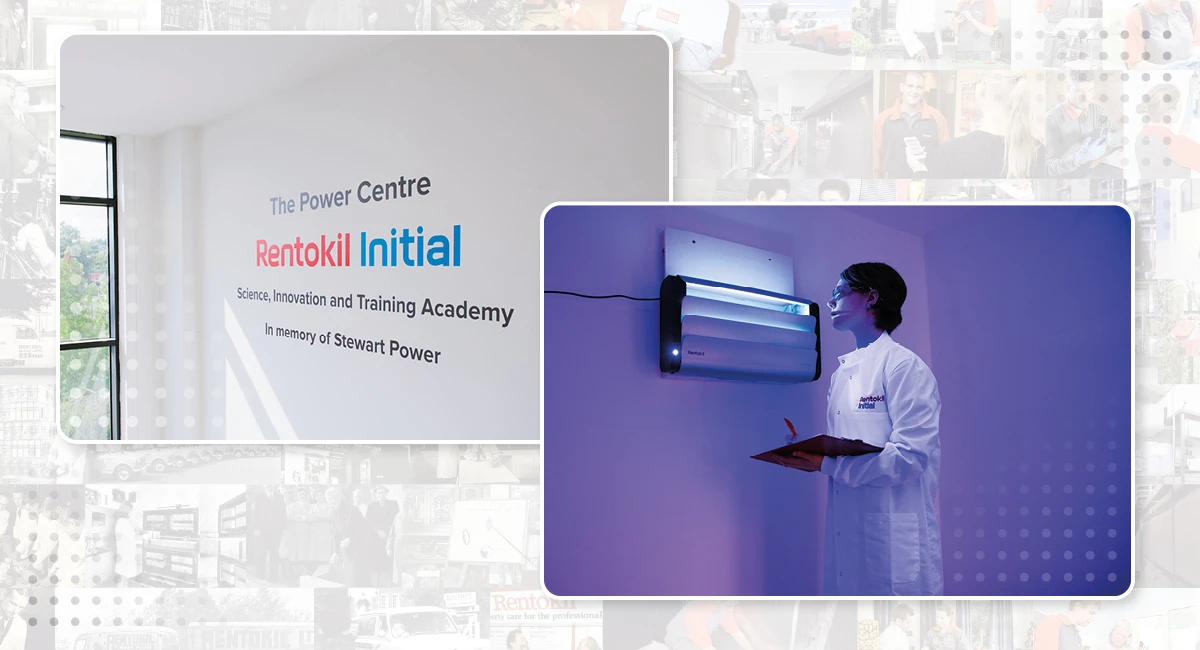
Our three dedicated innovation centres are the hubs where these ideas come to life. Equipped with state-of-the-art technology and staffed by a diverse team of scientists and entomologists, these centres are crucial for transforming concepts into tangible solutions. We have scientists who specialise in many areas, from insect behaviour to chemical formulations and product design. We also have regulatory expertise in the team, ensuring that all our products comply with the necessary safety and environmental standards.
Then, our labs come alive. We design, prototype and rigorously test potential solutions in controlled environments. If a concept proves to be successful, we take it a step further. If test rigs or formulations perform well under controlled conditions, we would move to the field and engage either our businesses or third-party test houses to test efficacy with many more variables than in a laboratory setting. We do this to make sure our products can withstand the challenges of diverse environments and deliver consistent results.
If the field tests also go well, we invest in making the product ready for market. This includes planning production, figuring out how many we'll need and finalising the formula or design. Before we launch, we do one last round of testing with the final product to make sure everything is perfect.
With many great minds constantly at work coming up with new product suggestions, we’re never short on innovative ideas. But how do we decide which ones to bring to life? It's a question we often get asked.
“We prioritise new product ideas based on a combination of factors, including market potential, customer demand, strategic alignment and resource availability,” explains Johan Retief, our Group Marketing & Innovation PMO Manager.
We use a scoring system to help us compare ideas against these criteria, keeping competitor analysis in mind. However, sometimes, things change quickly, and urgent market needs require immediate action.
Beyond these factors, we prioritise finding more sustainable solutions and continuously work on improving our existing products. This can include using recycled materials, reducing chemical use and waste and enhancing designs for better efficiency and customer experience wherever possible.
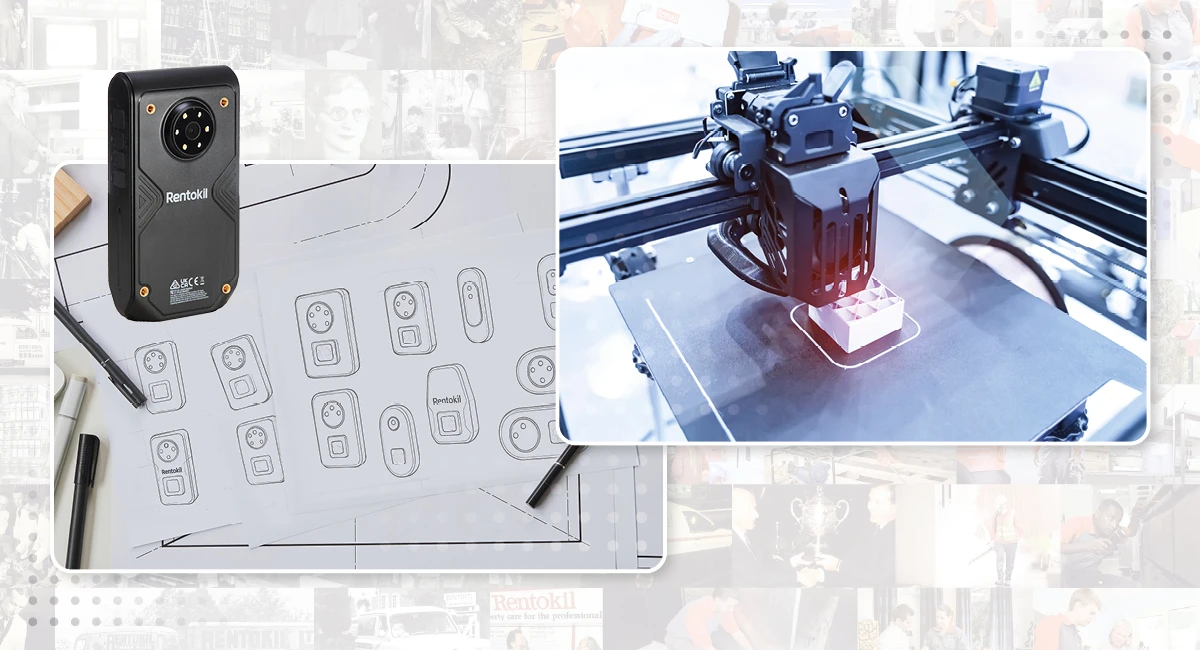
Once we’ve chosen the best ideas, we’ve got a range of tools and technologies under our belt to help us bring them to life and speed up the development of our solutions. These help us with the different processes involved, including collaboration and organisation, prototyping and testing, data analysis and insights and software development.
Firstly, with multiple projects and innovations running simultaneously, it’s important that we maintain efficiency and can collaborate seamlessly with our global colleagues who are part of the project team. Cloud-based collaboration platforms and project management software help us do this by enabling collaboration and ensuring everything stays organised and on track.
Meanwhile, 3D printing and high-tech equipment in our laboratories allow us to rapidly create physical models for testing and refinement.
Once the solution is at a stage where we can install software, if required for the product, we use modern coding languages and frameworks to make it quicker and easier to develop software, allowing us to build solutions quickly. We’re also increasingly integrating AI and machine learning into our workflow, using them for data analysis, predictive modelling and even embedding them into select products.
For example, one of our most daring innovations in this space is PestConnect Optix. These cutting-edge pest control cameras use AI to provide real-time monitoring and unprecedented visibility of pest activity at customer sites.
We carefully select the specific technologies we use based on the product, development approach and level of complexity, ensuring we always use the most effective tools for the job.
Naturally, innovation demands speed and can be a race against time, but it can be challenging to ensure a constant and timely stream of innovations while maintaining a high level of quality. So, how do we tackle this at Rentokil? We grapple with this question daily, and our approach is based on realistic expectations and meticulous planning.
We ensure the quality of products with our lab, field and functional tests, which include prototype and pilot/beta testing along with risk assessments. This ensures our solutions meet the highest standards.
Speed is achieved with strategic planning and collaboration. We foster clear communication between and across teams, proactively addressing potential delays, and meticulously track project progress. Our project managers play a crucial role in making informed trade-offs, ensuring efficiency without sacrificing excellence.
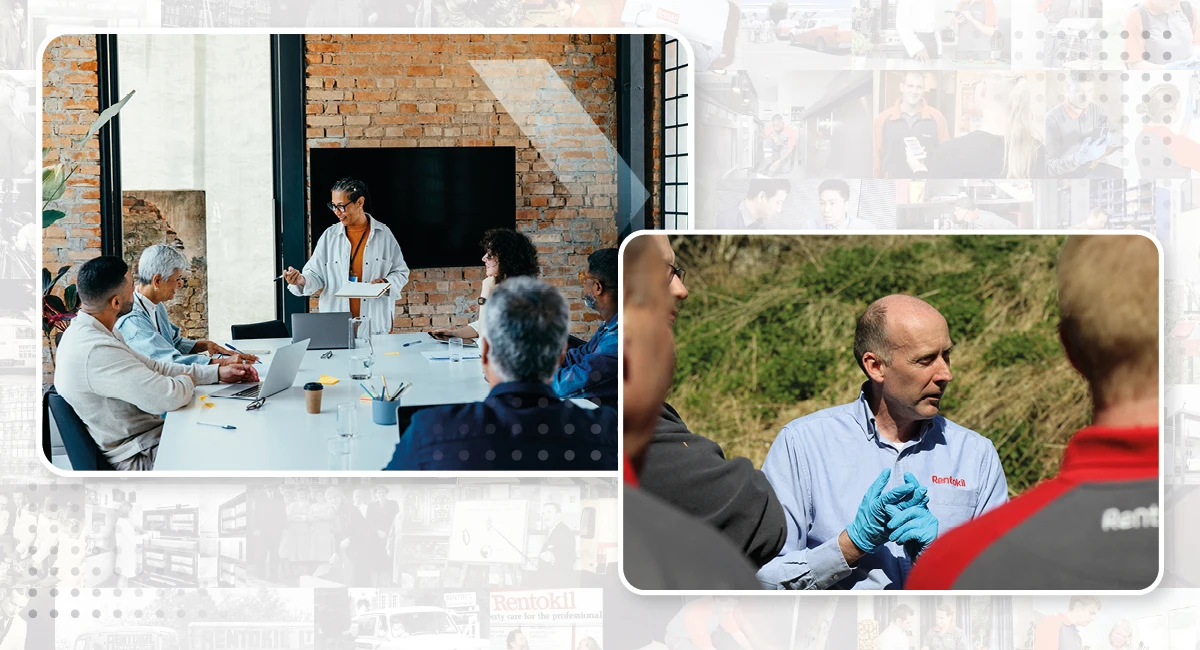
To ensure our products meet safety and regulatory standards, we integrate these considerations from the very start. We conduct thorough risk assessments early on, identifying applicable regulations throughout the concept and design phases. During design and prototyping, we build safety features directly into the product, select compliant materials and create detailed documentation. We also maintain constant collaboration with regulatory experts, who are integral members of our cross- functional teams, ensuring we stay up-to-date with evolving regulations and address any compliance issues promptly.
Ultimately, from initial ideas to final launch, we employ rigorous checks and balances to guarantee the highest quality in our innovations. We’ve got many exciting developments on the horizon and are proud to continue leading the pest control industry.
2025 is also an extra special year for Rentokil as we celebrate 100 years. We’re using it to reflect on not just our rich history but also our relentless innovation, service excellence and scientific expertise. Click here to learn more about our 100th- anniversary celebrations.
Technology and data-driven digital pest monitoring for effective, smart pest management solutions