1300 307 576 Call now Request a callback

Australian cockroach species

literal.hero.continue

There are around 4,000 species of cockroaches worldwide and about 450 species in Australia, but very few are pests.

The three main types of cockroaches commonly found in homes and businesses in Australia include the German cockroach, Australian cockroach and American cockroach.

Identifying the cockroach species will help deal with an infestation more effectively. See below for descriptions of the appearance, lifestyle and habits of the cockroaches common in Australia:

  • German cockroach (Blatella germanica)
  • Oriental cockroach (Blatta orientalis)
  • American cockroach (Periplaneta americana)
  • Brown banded cockroach (Supella longipalpa)
  • Australian cockroach (Periplaneta australasiae)
  • Smoky brown cockroach (Periplaneta fuliginosa)

Need to remove a cockroach infestation?

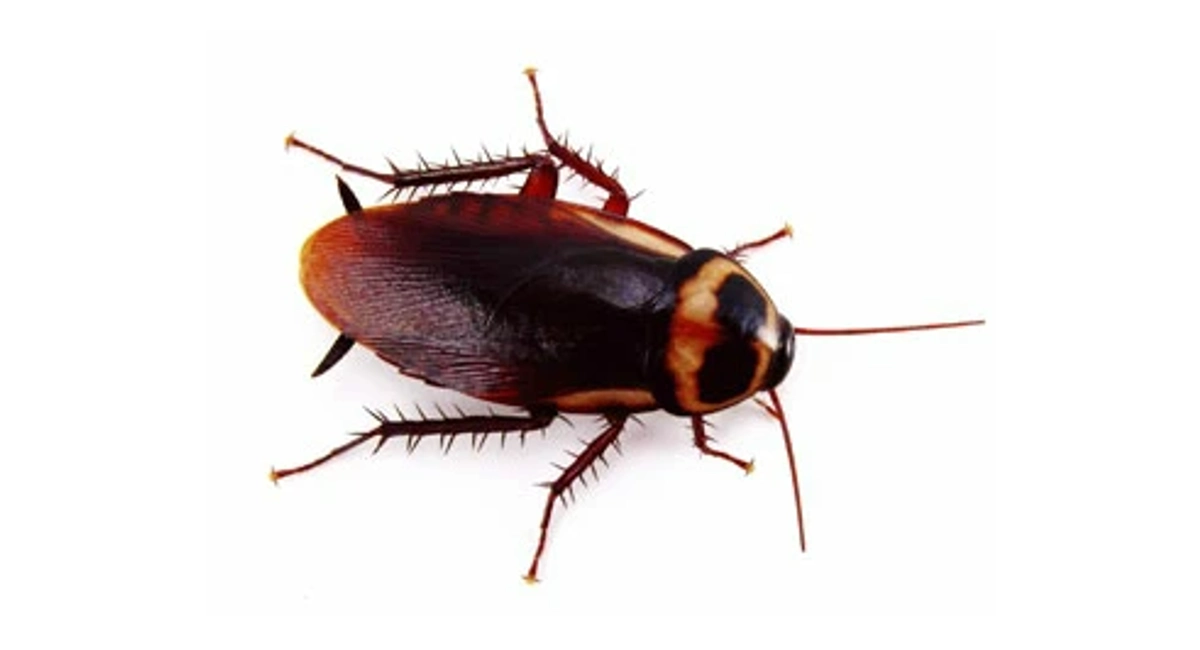
Australian Cockroach

(Periplaneta australasiae)

Australian Cockroach

Lifecycle

  • Females deposit the ootheca (egg case) containing 24 eggs a day after production.
  • After hatching nymphs take 6-12 months to develop into adults.

Habits of the Australian Cockroach

Habits

  • Enter buildings at night from gardens/debris.
  • Generally prevalent in areas where winters are relatively mild.
  • Despite its name, it isn’t a native species.

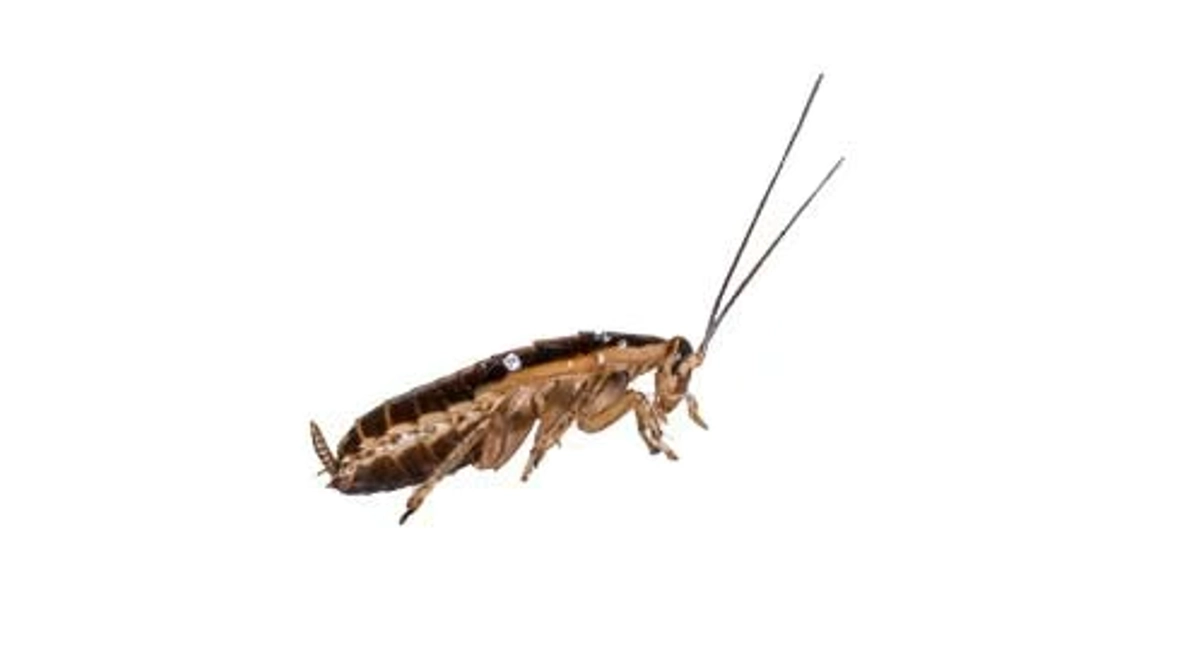
German Cockroach

(Blatella germanica)

German Cockroach

Identification

  • Notorious for their world-wide distribution, German cockroaches are easily identifiable by 2 dark longitudinal stripes on their pronotum. Adults grow to approximately 12 – 15mm in length.

Life cycle and habits of the German Cockroach

Lifecycle

  • Females carry 35 – 40 eggs in an ootheca (egg case) until they are ready to hatch.
  • Hatch in 1 month.
  • Nymphs take between 6 weeks to 6 months to develop into adults.
  • Generally 3-4 generations per year.

Habits

  • Most commonly found indoors.
  • Prefers wet, humid conditions and are typically found in kitchens and bathrooms in homes and commercial properties.

Oriental Cockroach

(Blatta orientalis)

Oriental Cockroach

Identification

  • Dark brown or black in colour.
  • 20 -25mm long.
  • The wings undeveloped in female and cover ¾ length of the abdomen in the male.

Life cycle and habits of the Oriental Cockroach

Lifecycle

  • Females deposit 16 eggs in an ootheca (egg case).
  • Hatch in 2 months.
  • Nymphs take 6-18 months to develop into adults.

Habits

  • Highly adapted for surviving in the natural environment, Oriental cockroaches thrive in cool, damp areas such as basements, drains and openings beneath porches.
  • Known for their preference for feeding on garbage and decay, these insects can most commonly be found in rubbish tips and leaf litters.
  • Runs rather than flies.

American Cockroach

(Periplaneta americana)

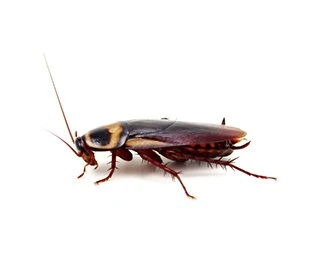
The American cockroach is one of the largest pest cockroaches to invade homes and commercial properties.
American Cockroach

Identification

  • 35 - 40mm long.
  • Shining red–brown in color.
  • Wings longer than the body in male; only just overlap abdomen in female.
  • Runs (may fly at very high temperatures).

Life cycle and habits of the American Cockroach

Lifecycle

  • The ootheca (egg case) containing up to 16 eggs is carried by the female for several days before being deposited. Sometimes cemented down and tend to be grouped.
  • Hatch in 1 – 2 months.
  • Nymphs usually develop in 6 -12 months, but it can take up to 15 months.

Habits

  • Also known as the ‘Palmetto bug’ because they live on trees, the American cockroach prefers dark, humid and undisturbed areas and can be found in subfloors, basements, kitchens, roof voids and bathrooms of homes.

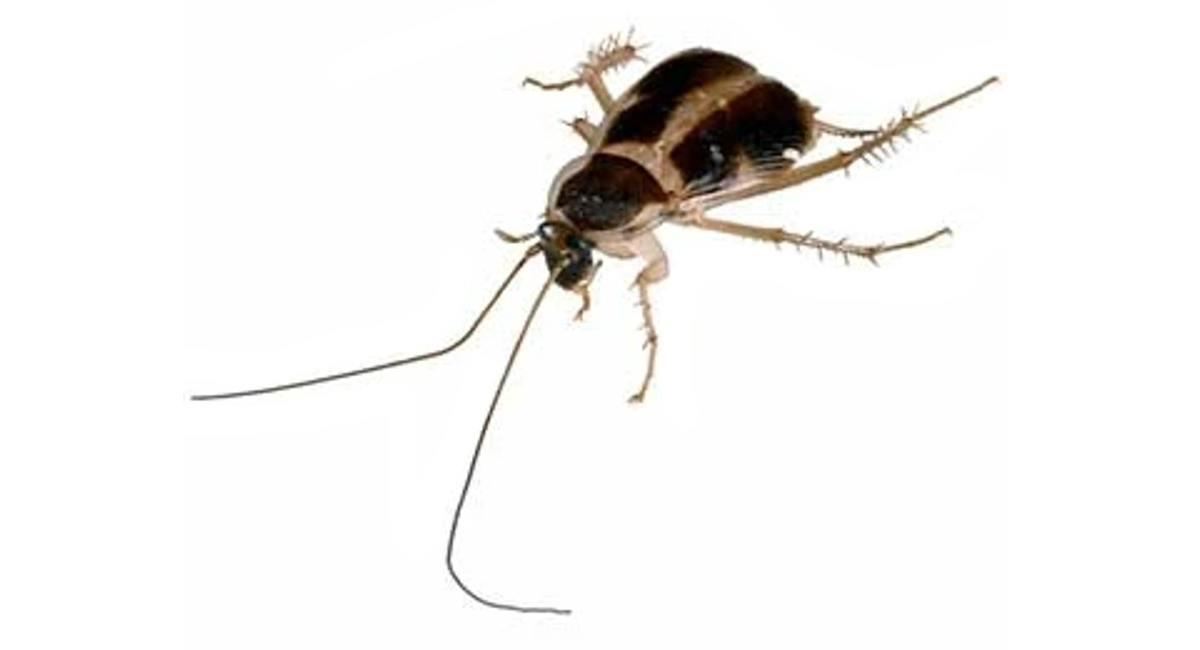
Brown Banded Cockroach

(Supella longipalpa)

Brown Banded Cockroach

Identification

  • One of the smallest pest cockroaches, brown banded adult cockroaches are approximately 10 – 15mm in length and characterised by yellow-brown stripes across their abdomen.

Habits of the Brown Banded Cockroach

Habits

  • Brown banded cockroaches mostly stay on ground, but may fly in very warm climates. Their preference for warm, humid environments leads them to harbourages within heated buildings - ceilings, attics, inside and around appliance motors. Primarily active at night, these opportunistic feeders particularly enjoy materials with high starch contents.

Smoky Brown Cockroach

(Periplaneta fuliginosa)

Smoky Brown Cockroach

Identification

  • 3-35 mm mm long.
  • Shining dark brown in colour.
  • Wings longer than the body in male; only just overlap abdomen in female.
  • Runs (may fly at very high temperatures).

Life cycle and habits of the Smoky Brown Cockroach

Lifecycle

  • Females deposit the ootheca (egg case) containing 22-26 eggs a day after production.
  • Nymphs take between 6-12 months to develop into adults.
  • The noticeable difference between nymphs and adults, apart from size, is the lack of wings in the young.

Habits

  • Lives in tree hollows, under bark, under floors, and enters buildings at night.
  • Nocturnal (hides during the day in cracks and crevices or any other dark warm places).
  • Has a habit of entering houses and contaminating food with excrement, regurgitated salivary fluid and potentially harmful bacteria.

Cockroach infestation control

While identifying cockroach species is important, ongoing management plays a key role in protecting your home or business from pests. Here are some practical steps you can take to reduce the risk of an infestation:

  • Seal cracks and crevices around doors, windows, and foundations to limit entry points.
  • Remove food and water sources by keeping kitchens and bathrooms clean and dry.
  • Dispose of garbage regularly and store it in sealed containers.
  • Declutter areas where cockroaches can hide, such as piles of paper or cardboard.
  • Use baits, traps, or insecticides responsibly or seek professional pest control for severe infestations.

Need professional help to eliminate cockroaches?

Cockroach infestations can be difficult to eliminate without the right tools and expertise, especially when they’re hiding in hard-to-reach places or breeding rapidly. DIY solutions may offer short-term relief, but they often fail to address the root of the problem.

Rentokil’s licensed pest control technicians use targeted treatments that are safe, effective, and tailored to the specific cockroach species affecting your property. Whether it’s a home, restaurant, warehouse, or office, we provide reliable cockroach control solutions backed by years of local experience.

Don’t let cockroaches put your health and reputation at risk, book an inspection or treatment with Rentokil today and get peace of mind knowing your space is protected.

Cockroach control services

Protecting Australian homes and businesses for over 50 years

  • Safe, effective, environmentally-friendly pest control
  • A broad range of cockroach management options to suit your home and business needs
  • With over 1,500 local, accredited pest controllers, we provide a rapid-response service across all of Australia
Find out more

Related posts