PestNetOnline
Login© 2026 Rentokil Initial plc and subject to the conditions in the Legal statement
Wasps and other stinging insects are typically synonymous with summertime and warmer weather. However, many have noticed that when temperatures start to cool down as the fall season begins, wasps seemingly become more aggressive and appear in large numbers. This issue is especially frustrating for café and restaurant owners with outdoor patio seating, as the risk of wasps stinging customers and driving away business increases.
When there is a threat to the safe and enjoyable dining experience you have worked tirelessly to create, there can be a temptation to take matters into your own hands to eliminate these pests from your establishment. Unfortunately, stinging insect removal without the help of a professional is not only dangerous, but it can also make the problem worse. What you can do is take strategic steps to prevent these intrusive pests from making a home in your food business.
Read on to discover why wasps are such an issue in the early fall and what you can do to keep them away from your restaurant or café.
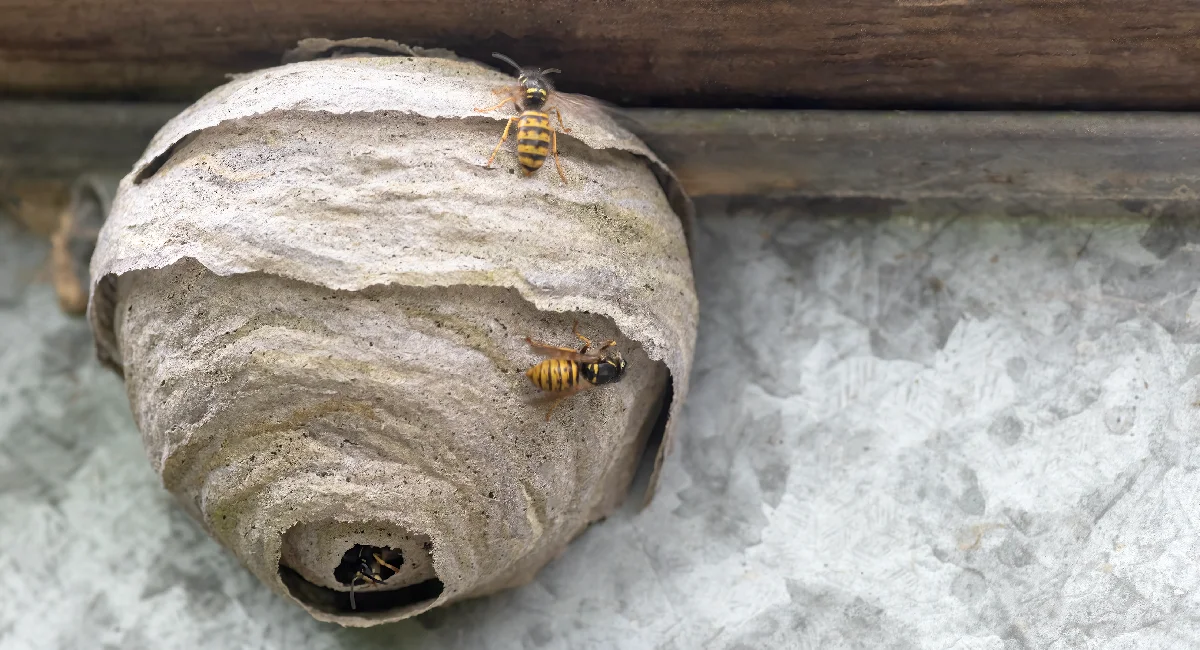
The increase of wasp sightings in the early part of fall is directly related to their lifecycles. Wasp population levels are at their maximum level during this time. If you couple that with diminishing food sources, this will lead to people seeing wasps more frequently outdoors. Additionally, wasps’ food preferences change to strongly prefer sugars and carbohydrates. An easy place for them to find sugar and carbs is near restaurants and cafés, specifically near trashcans and bus tubs.
Another reason for increased wasp sightings is that as the weather gets colder, queen wasps will increasingly be found in human structures, such as sheds, wall voids, and attics, as those are perfect places for overwintering queens. Furthermore, as wasp queens abandon the nests, they leave worker drones foraging for themselves. This makes them more aggressive and causes them to travel further away from the nest.
.2025-05-09-09-00-16.webp)
Wasps and other stinging insects are increasingly attracted to sugary sweet spillages that may be present on restaurant patio areas, near the drive-through section, or around exterior trash receptacles and dumpster enclosures during fall months. Being within the vicinity of the buildings, there is an increased possibility that wasps can also find their way inside your establishment. While they are generally not aggressive unless directly confronted, they will occasionally sting. An allergic reaction to wasp stings can lead to a serious health condition. Wasps also tend to make customers feel uneasy when sharing a close space with them.
As temperatures consistently drop below 50 degrees Fahrenheit, wasps' metabolisms change, preventing them from storing energy, and thus leading them to die off. As a rule, as soon as frost is present outdoors, wasp activity will be virtually absent.
.2025-05-09-09-00-16.webp)
If you have a wasp problem in your restaurant or café that is disrupting your customer’s dining experience, reach out to your local Rentokil wasp experts for help by contacting us online or calling us at 1-800-837-5520.