PestNetOnline
Login© 2026 Rentokil Initial plc and subject to the conditions in the Legal statement
Many multifamily properties can encounter issues with birds – specifically pigeons, geese, sparrows, starlings, and even seagulls. Where are these birds likely to create problems? And what can you do to solve them? In this article, Rentokil bird expert Kim Lewis provides information and advice to help properties deter birds.
It may be tempting to try to resolve problems on your own, but there are good reasons why you shouldn't "wing it" alone.
Rentokil's Division Manager of Bird Management Services, Kim Lewis, has been solving bird issues for businesses for more than 30 years. He says the number one question that should be asked before any work begins is, "Why are the birds here and what is the problem are they creating?"
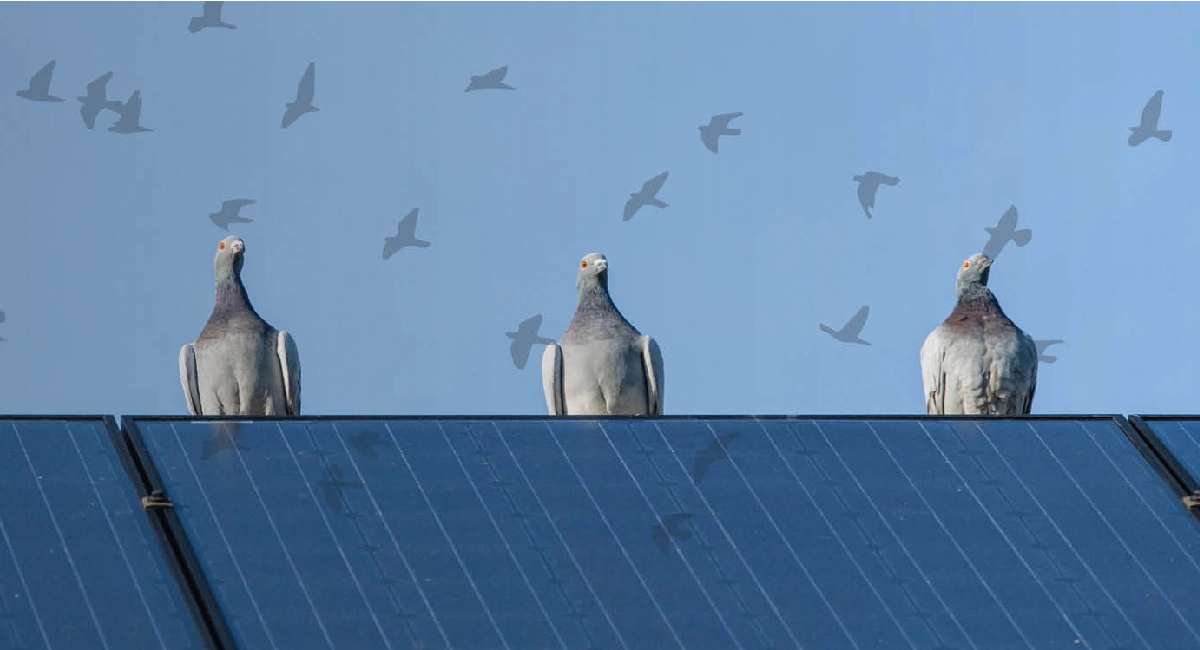
There are a number of bird species that can create issues on multifamily properties. Here are the five key groups that make up the majority of issues, according to Kim.
Pigeons are the most ubiquitous bird problem for businesses of all types. These birds will nest in protected areas and loaf on windowsills, ledges, rooftops, or other places that give them a high-up viewpoint to watch areas below.
At multifamily facilities, some of the common places you'll find pigeons nesting and loafing are balconies, dormer returns, downspout elbows, HVAC units, windowsills, cornice returns, and rooftops. Ornate or modern architecture designs that create sheltered spaces and "pockets" may also be a target for pigeons.
Pigeons are also driven by the search for food, so you will find them in outdoor dining areas, near trash receptacles and dumpsters, and anywhere people are feeding them. Nature-loving residents may unwittingly create issues by putting bird feeders on their balconies or porches.
These two species are grouped together because they are considered "small birds" and often behave in the same ways. These small birds can nest in very small, protected spaces, such as balconies, unscreened/covered dryer vents, behind decorative shutters, near lighting and electrical units, under awnings, and more. This can prevent residents from enjoying their balconies and pose fire hazards.
Like pigeons, small birds will spend time in areas where food is readily available, such as near dining areas, trash receptacles, or in areas where there are bird feeders.
Geese become problematic in two specific ways. First, they defecate in copious amounts, leaving an unattractive mess behind. Second, they can become aggressive, especially when protecting their nests, and have been known to chase people who get to close.
Multifamily properties are often beautifully landscaped and have peaceful water features. Unfortunately, the very things that make a property beautiful to humans can also make it attractive to geese. Geese look specifically for bodies of water and open grassy areas. Geese actually eat grass and prefer a diet of freshly mowed, well-maintained grass. Shrubbery can also be attractive to geese, as it can provide a protected area for them to nest and lay eggs.
While less likely to be an issue than many other birds, seagulls can pose problems for properties that are near a body of water or shoreline.
Seagulls will look for flat rooftops to nest on or peaked areas to land and perch, or scout for food. Seagulls will flock around any area where obtaining food is an option, such as dumpsters, outdoor dining areas, poolside, etc.
What's the big deal about a few birds? The truth is, as much as birds are our feathered friends, they can also create public health and safety issues, leave behind a mess, be an annoyance, and even cause costly property damage, says Kim.
Be on the lookout for these signs of bird problems. If you spot them, it may be time to take action.
.2025-05-09-09-00-16.webp)
Solving bird issues doesn't have to be costly. Kim says that these 7 simple action points can deter a significant amount of bird activity from a property.
If you've implemented these simple steps and are still having bird problems, it's time to call in a bird management professional to evaluate the situation on your property. There are many eco-friendly, humane bird management measures that can be put into place to deter bird activity, from grid systems installed over water and rooftops to perch modification to turf and shrubbery applications, to name a few.
Not sure if you have a bird problem? Download our checklist to get a sense of the extent of bird issues on your property.
Rentokil has a team of bird management professionals with decades of experience in implementing bird management solutions for businesses of all types. For help with a bird problem on your multifamily property, give us a call at 800.488.9495. We'll be happy to send someone to your property for a free consultation.