PestNetOnline
Login© 2026 Rentokil Initial plc and subject to the conditions in the Legal statement
We know the scientific and industrial revolution was a springboard for the evolution of pest control.
Then, the third and fourth industrial revolutions (1960s to present) introduced various technologies that have benefited all aspects of pest control. We’ve had advances in AI and machine learning, electronics, robotics, biotechnology, computing, nanotechnology, and the Internet of Things. These developments are accelerating and will revolutionize pest control tools and management, enhancing efficiencies, precision, and sustainability.
This is necessary in a world where every pest control innovation increasingly prioritizes sustainable technologies and practices. They impact the choice of materials, the whole-life design of products, harmful chemical usage, and developments in new compounds to make them safe for non-target specifics and the environment. But where is it heading? Here are nine examples of how these technologies are being or could be further harnessed for pest control.
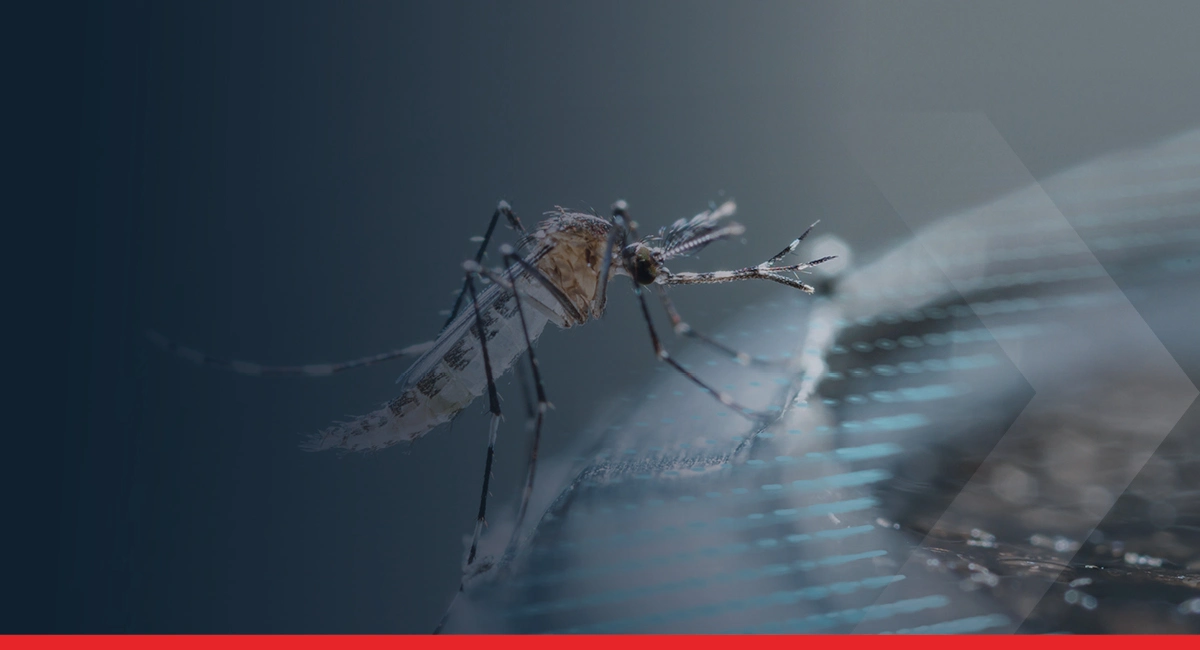
This topic is a vast area for innovation and could, one day, lead to a world without mosquito-transmitted diseases like malaria.
For mosquitoes alone, there are ongoing developments on multiple fronts. The World Mosquito Program’s Wolbachia project breeds Aedes mosquitoes that are infected with the naturally occurring bacteria, which suppresses the ability to transmit viruses that cause human disease. Using naturally occurring microorganisms that can disrupt pathogen lifecycles reduces the need for chemical interventions while minimizing harm to non-target species.
A biological weather station can recognize different mosquito species by analyzing their wingbeats and capturing specific ones. It sends this data to a cloud platform and stores the mosquitoes for future genetic disease analysis. These stations, when connected to networks, generate a large stream of data. This data, combined with genetic and environmental information, can be processed by AI systems to predict and address disease outbreaks and even climate changes.
In Tahiti, scientists are testing the sterile insect technique as a means of reducing dengue transmission by Aedes mosquitoes. The method has been widely used in agriculture for 60 years and is now being tested in several countries for preventing mosquito-borne diseases.
Genetic analysis of air and water can identify pests (and people) in the local area and diseases they may carry. Sampling air in a Danish forest discovered that 50 species of wild animals were living in the locality. DNA collected this way was able to identify disease-associated mutations and show the genetic ancestry of local animals. This could be useful on business premises to identify infestations and pest populations, allowing pest activity to be tackled quicker and mitigating the risk of infection from disease-carrying pests.
While there haven't been significant advancements in rodenticides for many years, they’ll continue to be a viable choice — in integrated pest management — for the foreseeable future. This is stimulating both the development of new physical methods of control to avoid the need for chemicals and finding new ways to use existing chemicals that are environmentally friendly.
Microencapsulation of existing compounds, for example, gelatine and shellac, is a promising development in the medium term. A carbohydrate layer prevents carnivores from digesting the layer and thus the poison, which allows rodenticides with an acute mode of action to be used and avoid bait shyness while protecting other wildlife. Other possibilities that are being tested include repurposing existing pharmaceuticals, modifying the structure of existing compounds, and using more active isomers of existing compounds that also break down quickly in the environment.
Malaria infects approximately 250 million people yearly and kills 620,000 – a staggering number, particularly when 95% of these occur in Sub-Saharan Africa alone. 80% of the deaths are children under five, and the ramifications aren’t limited to the population.1 Where there are large numbers of infected individuals, the economies of developing countries are also suppressed.
Malaria cases were successfully reduced for many years, but this changed with the COVID-19 pandemic. Numbers have now increased, and mosquitoes are showing widespread resistance to some insecticides. To tackle the rising numbers, the World Health Organization is evaluating various alternative interventions to offer new tools for eliminating mosquitoes and diseases from urban areas. These include physical, chemical, and biological methods – from traps and new pesticide formulations to mosquito genetics manipulation, sensory interference (chemosensory interference), and sterilization.
Millions of IoT devices automatically monitoring pests and sending data to cloud systems will significantly expand to include a broader range of pests and types of sensors, such as environmental, optical, sound, and gaseous — to detect volatile organic compounds (VOCs) that are emitted by specific pests. This data will help predict and identify infestations early, allowing for prevention, rapid response, and more targeted interventions.
The vast amounts of data collected will need more sophisticated tools to use it fully. Various features of Big Data analytics have been talked about for years, but we are only now beginning to realize its potential as we learn how to apply multiple sets of data practically. More sophisticated tools for combining and analyzing data from various sources and formats, such as pest monitoring, identification, pest biology, weather patterns, environmental data, and pest control activities, will give holistic insights into pest dynamics and help optimize pest control strategies. Adding specialized machine learning and AI tools to the traditional analytical tools could generate new insights and give recommendations based on large knowledge bases on pests.
At Rentokil, we’re already using AI to study the relationships between weather patterns and pest infestations by analyzing the billions of pest data gathered automatically by our IoT pest control devices worldwide. This shows the datasets and modeling systems most suitable for predicting pest infestations in geographic regions and on customer sites.
AI and machine learning are already revolutionizing pest control, such as systems that use visible light and infrared cameras to detect and recognize pests and their behaviors. This is perfect in restrictive environments for informing control strategies and optimizing management.
It means continuously 'learning' and refining detection skills with rules and logic that could, one day, lead to systems being able to autonomously decide how best to operate and manage devices for optimum efficiency. These systems and devices will only evolve and become increasingly more sophisticated and effective as AI tools advance.
Robotics engineering, which combines mechanical, electrical, and computer engineering advances, will enable more sophisticated machines for specialist applications. For example, these systems could detect pests, gather essential environmental data, and control pests in human-restricted environments such as automated warehouses and restricted environments. They could be equipped with various sensors, such as sound, optical, gaseous, and infrared. Of course, AI will also play a role in their operation and reduce the need for human intervention.
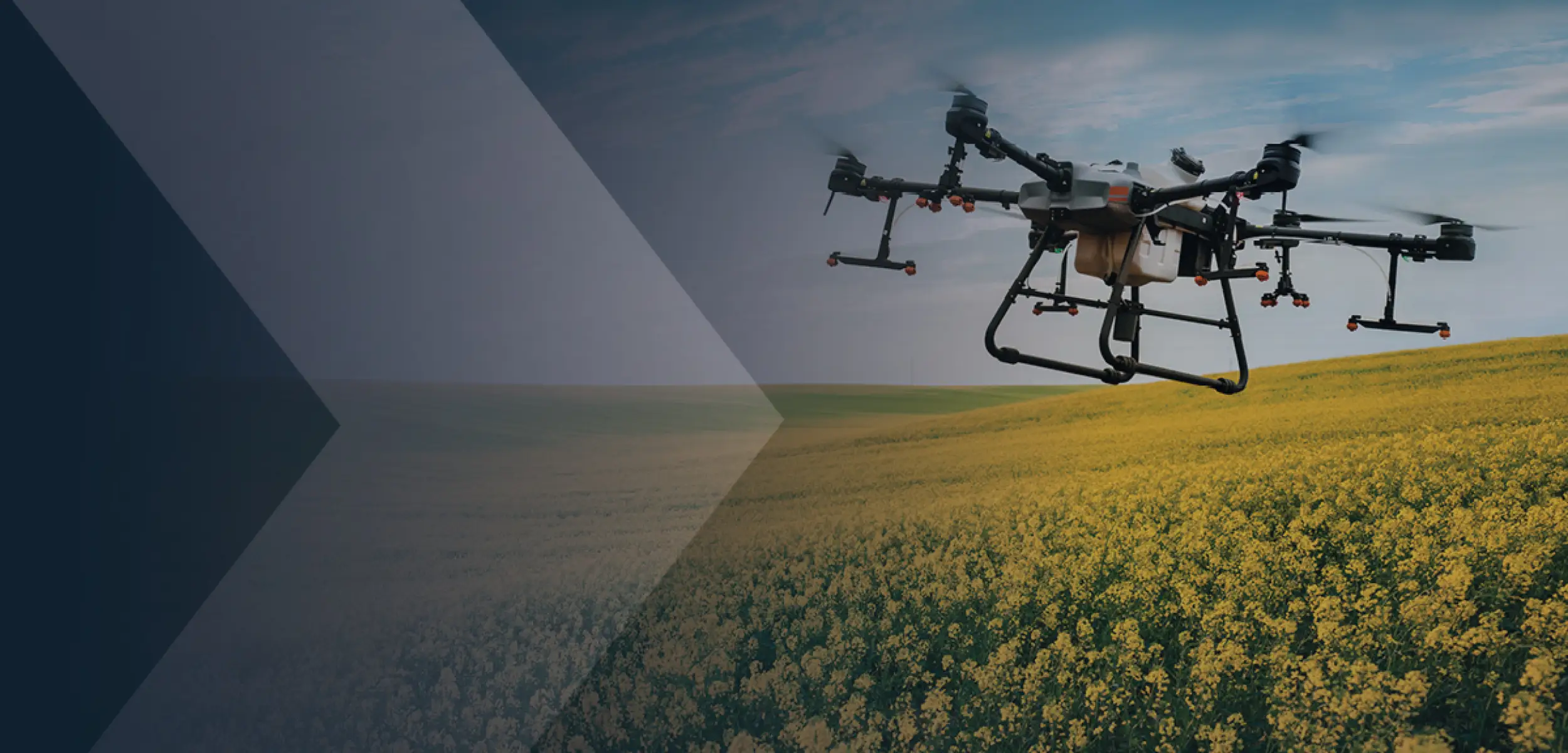
Drones and ground-based robotic systems are used to monitor agricultural and other outdoor areas autonomously utilizing an array of sensors and deliver precise applications of pesticides or biological control agents to specific regions, reducing chemical usage and minimizing environmental impact.
Remote sensing technology on satellite records and monitors from small to large-scale landscape features, vegetation health, and environmental factors can influence pest populations using numerous optical and other waveband sensors. The images can show where pest infestations are in crops or where plants are damaged by drought or fire and susceptible to pests and guide pest management decisions.
AR and VR technologies can be used to train pest control professionals and improve their skills. Simulated scenarios and visualizations can enhance learning and decision-making skills, removing some of the restrictions of setting up physical spaces and finding sites for practical training. It could also be applied to customer staff training and as a sales tool to give customers an immersive experience of, for example, how a pest control plan could operate on their properties.

Throughout the history of pest control, human ingenuity has been applied to finding ever-more effective means of controlling pests. As science and technology advanced, pests adapted, and new pests thrived, more sophisticated and effective tools and practices were developed to prevent and control them.
Pest control will face new challenges and opportunities as the world changes due to climate change, urbanization, economic factors, and human behavior. Pests will adapt and present new threats, and pest control must adapt continuously to these changes. However, the scientific and technological developments across the many disciplines described above address the challenges across multiple fronts and provide innovations that will improve both the effectiveness and sustainability of pest control in the long term.