PestNetOnline
Login© 2026 Rentokil Initial plc and subject to the conditions in the Legal statement
The UN has called on the global community to work harder towards the 17 Sustainable Development Goals to protect all of our futures and the environment. Global warming caused by increasing CO2 and greenhouse gases in the atmosphere is causing new weather extremes and rising sea levels worldwide. The last seven years have been the warmest on record. UN Secretary-General Antonio Guterres said in September 2022 that “The harmful impacts of climate change are taking us into uncharted territories of destruction” and “that we are still way off track” in taking action to prevent global warming from rising above critical levels.
Change, however, is possible and with many other factors — such as population growth, pollution and deforestation — impacting the environment, it's time for all organizations to find better, more sustainable ways to operate to protect people and the planet.
In pest control, there are both common and unique areas where businesses can work to support the UN sustainability goals. Global warming and increasing urbanization are combining to create new environments for certain pests to thrive. This, in turn, increases risks to public health, food supplies and commercial business operations. In a survey commissioned by Rentokil of 3,000 commercial business decision-makers in ten countries, over 80% of respondents believed it was important for their pest control provider to support their sustainability agenda.
Here are five ways that a pest control company can support sustainability.
Toxic substances have been used for pest control since at least Sumerian times (2500 BC) when sulfur compounds were used as insecticides. In modern times, advances in chemistry have resulted in large numbers of organic compounds with pesticidal activity. In recent decades, an increasing number of pesticides have been restricted or banned due to well-known environmental and health concerns. Consequently, the focus needs to shift. Pest controllers need to develop sustainable solutions that reduce the use of harmful, toxic chemicals but are equally as effective.
Integrated pest management (IPM) is a technique that emphasizes the prevention of pests and the use of toxic chemicals only where necessary to remove a pest infestation. It was first developed in agriculture in the 1950s and was only used in pest control relatively recently. It uses a range of techniques to prevent pest infestations, including removing food sources that attract pests, surveying premises to identify all the potential pest entry points and applying physical measures that prevent pests from entering buildings. This reduces the use of toxic chemicals and only resorts to them when there is no other option.
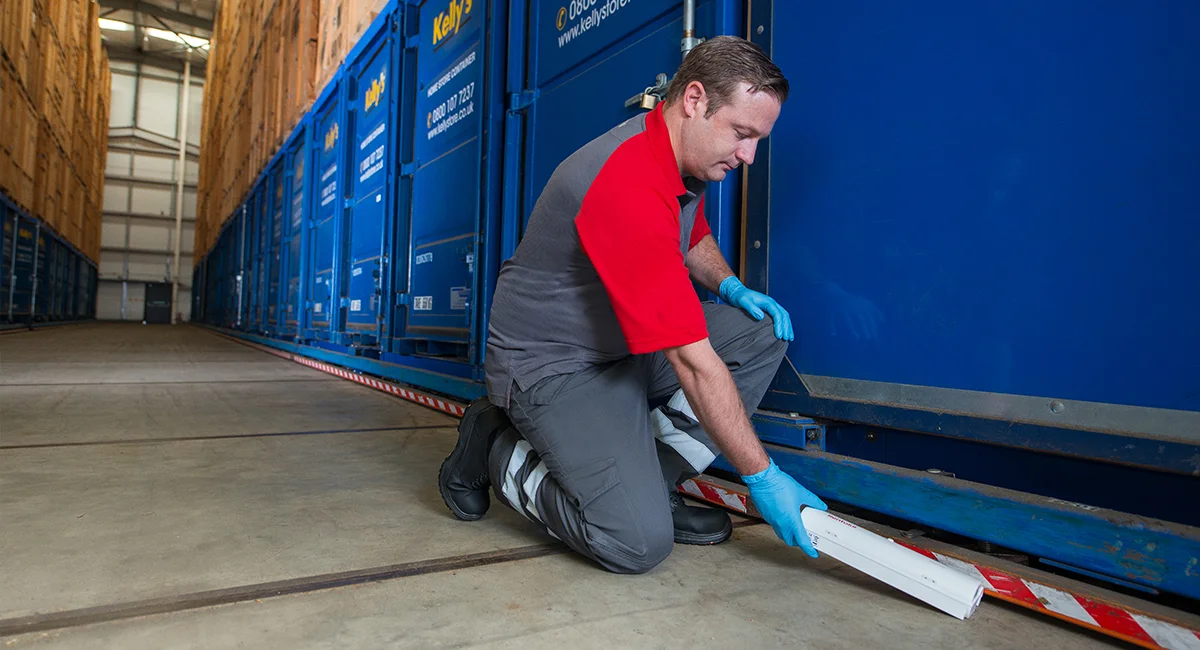
IPM has become standard practice for pest control providers, but there are always areas where prevention and control can be improved to avoid or further reduce the use of toxic chemicals. Examples of Rentokil’s research and development in this area are:
Pest-proofing products: continuing to develop more-effective proofing products and products for a broader range of situations to minimize the risk of pests entering buildings and causing infestations.
Digital systems: continuously finding more intelligent ways of prevention and monitoring using sensor-based, industry-leading connected systems, big data and AI that give instant alerts and data for insightful analytics that will help to improve preventative measures.
Non-toxic solutions: further developing and increasing the use of control methods that don't use toxic chemicals, such as using adult mosquito traps instead of fogging and spraying, heat treatment to kill all life stages of insects, or pheromones to attract insect pests to traps.
Biological control: investigating biological control methods, such as Bacillus thuringiensis for mosquito control.
Technician training: continuing to improve practices in the field through better training of technicians in identifying risks, understanding which solutions are most applicable and how best to apply them.
Products and processes in pest control impact the environment, from the raw materials harvested, extracted or mined from the ground to the energy used in lighting, heating, operating machinery, and hazardous materials used to control pests to disposal at the end of life of the product.

Some examples where our innovations have improved sustainability include:
Redesigning products considering their whole-of-life environmental impact, from raw materials to disposal, and target improvements at every stage.
Developing materials with low environmental impact that can improve pest monitoring and target control measures more effectively. For example, rodent tracking gel shows where to place traps or bait to eliminate an infestation and reduce ineffective placement.
Using energy-saving technology in existing products. One such device is the insect light trap that has to use energy to work. Replacing UV lamps with more efficient LEDs in the Lumnia range saves energy over the lifetime of the product. It also cuts out the toxic chemicals used in fluorescent tubes that are a hazard for disposal.
Only using pesticides when necessary and ensuring that they only affect the target species and don’t spread into the environment from predation or leakage to other species.
Using artificial intelligence and smart devices to detect and identify pests and determine the most efficient pest control and prevention methods, to minimize or avoid the use of toxic chemicals.
When looking at your sustainability agenda and targets, it’s essential to consider your total footprint, including that of your pest control supplier. Just as customers are increasingly asking for information on sustainable practices before signing contracts, your suppliers can be asked to show how they’re making not only their products but also their operations more sustainable.

Your pest control supplier can show a commitment to sustainability through the range of practical measures they take business-wide. At our parent company – Rentokil Initial – there are many wider initiatives in our drive for sustainability, for example:
Setting personal development goals for employees in all business areas to include sustainability, including product development and supply chain management.
Changing vehicles from internal combustion to ultra-low emission vehicles (ULEV), including electric.
Improving vehicle fuel use and efficiency in current vehicles.
Reducing the overall emissions intensity index (total carbon footprint relative to revenue) of the company.
Setting a target for sustainable energy use in properties — 90% by 2030.
Working with suppliers to improve their total environmental impact.
According to the UN Sustainable Development Report 2022, consumer and industrial waste severely impacts the environment. The disposal of plastic items, for instance, contributes to the build-up of microplastic particles and garbage patches in oceans across the world.
Subsequently, a major part of the sustainable development goals is to reduce the amount of waste worldwide that goes to landfill, ends up in the oceans and pollutes the environment. By committing to reducing waste through reusing, recycling or repurposing all products and packaging at the end of life, all businesses can help achieve this. Significant areas where Rentokil Initial has made savings include:
Using reusable or recyclable packaging — we’re aiming for 100% and have removed 10 tons of waste so far.
Re-designing plastic products to use less plastic, more recycled material or use other types of repurposable material.
Increasing the life of products by reuse and refurbishment rather than sending them to landfill.
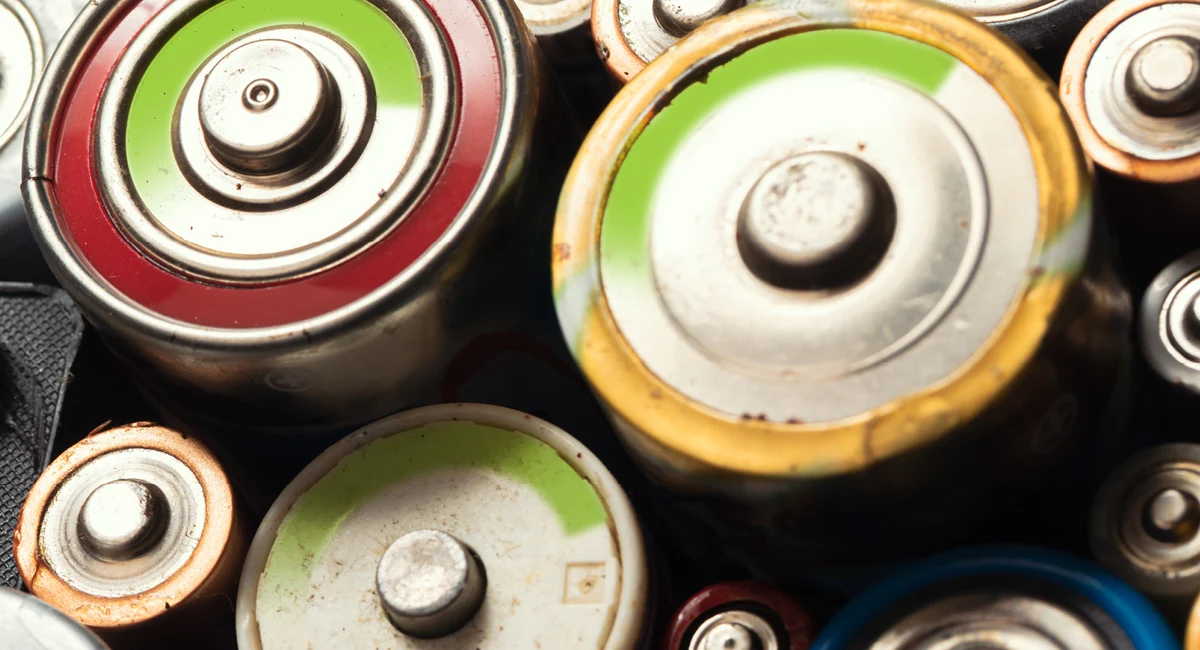
Increasing battery recycling — our European markets are recycling 50% of the batteries used, and the Pacific region has diverted 40 tons of batteries from landfill.
Removing paper where possible or ensuring it is made from sustainable sources — developing an app for site risk assessments has replaced over 2 million paper forms.
Partnering with environmental organizations allows businesses to contribute to a broader range of sustainability issues in an efficient way. Protecting tropical forests is a highly effective investment in sustainability at a global level. Additionally, building these long-term partnerships shows a commitment to protecting biodiversity and tropical ecosystems for future generations.
Global forest loss is running at around 25 million acres a year. This leads to permanent loss of plant and animal species and releases enormous amounts of carbon dioxide into the atmosphere. Biodiversity is one of the most important factors for providing resilience to climate and environmental change. Forests alone are home to about 80% of terrestrial biodiversity. Around 40,000 species are at risk of extinction, and many unknown to science will likely be wiped out before discovery.
Destruction of forests and degradation of the local environment is a far more significant factor for the welfare of rural communities in developing countries, which rely heavily on local natural resources for survival. Also, over half of the global GDP, equivalent to $44 trillion, is threatened by loss of the natural environment, and the UN dedicated a decade to prevent, halt and reverse environmental degradation worldwide.
Rentokil Initial has partnered with or directly contributes to several projects around the world. We strive to create lasting partnerships with NGOs to support initiatives that align with the UN Sustainable Development Goals.
One of the partnerships is with Cool Earth, which supports rural communities in Papua New Guinea, Mozambique and Cameroon to protect 42,000 hectares of tropical forest. The company has also supported tree-planting projects in Australia, Italy, Turkey and the UK, including the Queen’s Green Canopy.
Sustainability has now become mainstream and a strategic and operational imperative for businesses. Investors, customers and the public are increasingly expecting businesses to put sustainability at the heart of their operations. This includes taking responsibility for environmental, social and ethical issues throughout their supply chain. The United States government has set forth a goal of reaching net-zero emissions across Federal operations by 2050. We can't achieve this without businesses playing their part.

Pest control companies have a greater responsibility than most to reduce the impact of toxic substances and greenhouse gases on the environment, in addition to reducing energy usage and waste. Rentokil is committed to net zero emissions across our operations by 2040 and supporting businesses via the five aforementioned areas. With our industry-leading innovations and services, we can help your business stay protected and achieve your sustainability goals.
Find out more about our path toward a more sustainable future, here.