PestNetOnline
Login© 2026 Rentokil Initial plc and subject to the conditions in the Legal statement
As the world continues to recover from the COVID 19-pandemic, much of the business and operational world has shifted. Labor and supply shortages continue to impact everything from grocery stores and restaurants to distribution centers. But there's one thing that is not in short supply for many of these commercial spaces: pests.
Rentokil pest experts across the country expect to see an increase in pest activity in 2022. With minimal products stocking the shelves and less staff on board to manage commercial facilities, restaurant and facility managers can use these 2022 commercial pest trends and expert insights to help keep commercial spaces pest-free.
Bed bugs are resilient creatures. They’ve learned to adapt and can survive months without a blood meal so it’s important to not count them out, even if travel is slow.
“Similar to humans, bed bugs have been cooped up and are eager to start traveling again,” said Godfrey Nalyanya, Board Certified Entomologist at Rentokil. “Bed Bugs can travel from place to place by attaching themselves to luggage, clothing and many other personal belongings and as travel starts to increase we expect to see a large increase in bed bug activity.
With labor shortages impacting a wide range of commercial industries it can be easy to overlook potential bed bug problems. Industries such as hotels, colleges, hospitals, senior living facilities, retail stores and libraries have all experienced problems with bed bugs. Educating staff to look out for some of the key signs of bed bugs is the first step to proper prevention and to limiting the risk of an infestation. Encourage staff to follow these tips:
Before cleaning, perform a thorough scan of the room and examine bed bug hotspots such as inside headboards, furniture, and underneath bedding.
Place personal items in a designated locker or other area to prevent them from picking up bed bugs or bringing bed bugs from home to your business.
Be sure to always keep dirty linens in their own containers and away from clean linens.
If a staff member notices something suspicious, notify management immediately for a second opinion. Professional pest control may need to step in.
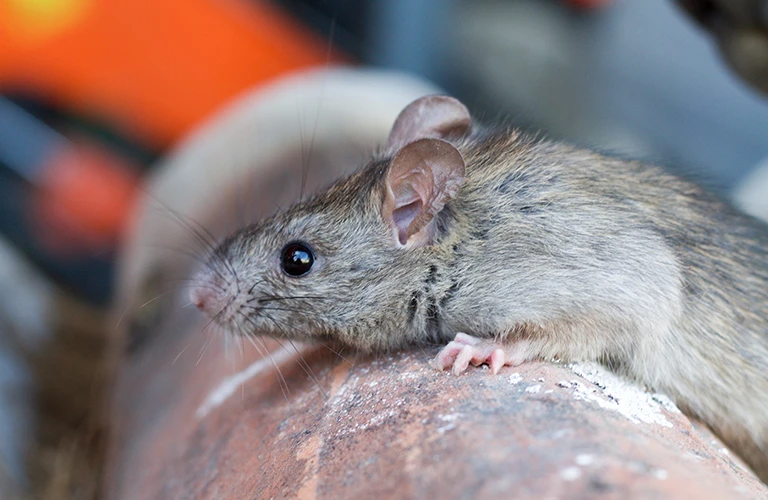
Rats and mice are adaptive creatures who hide from humans and seek out quiet and dark spaces for nesting. As supplies and labor remain in high demand, rodents are taking advantage of the unoccupied spaces and left behind materials to build their ideal nests inside open facilities.
Rentokil experts in multiple regions across the U.S. cited an increase in rodent activity inside commercial spaces. According to Eric Sebring, Associate Certified Entomologist with Rentokil, “Roof-rats seem to be the most prevalent in commercial spaces, but they aren’t the only rodents building homes in these spaces. As buildings remain empty mice, rats and many species in between are being spotted at alarmingly high rates.”
To help keep rodents from moving into commercial spaces, facility managers should conduct an extensive walkthrough of the property and address potential issues, including:
Entrances: Fit weather-stripping around exterior doors. Rats can squeeze through gaps as small as a quarter. They will also enlarge gaps by gnawing at them.
Gaps in exterior walls: Fill holes or small openings (around utility cables or pipework) with stainless steel wire wool, caulking or concrete. Steel or aluminum plating can also be used.
Roofs: Repair roof damage and use wire mesh to seal gaps. Rats often enter through gaps in broken roof tiles or under eaves.
Vegetation: Trim vegetation away from the building’s exterior. Rats climb along electrical cables or use overhanging branches to get into loft spaces and attics.
Drains and sewer pipes: Ensure all sewer pipe damage is repaired in a timely manner. Rats have been known to swim up damaged sewer pipes and into toilets. Additionally, use tightly fitting metal grates or screens to cover drains. You should also ensure that all drain pipes are in good working order.
Download your free Rodent Management Checklist for Restaurants
Similar to rodents, birds are seeking shelter and finding protection around larger commercial buildings with decreased foot traffic. Although different regions and climates attract various types of birds, many species are surviving and thriving longer through colder seasons thanks, in part, to warmer temperatures.
“Pigeons have been, and will remain, a major pest problem for commercial spaces,” said Jim Brixius, Board Certified Entomologist at Rentokil. “As seasonal temperatures continue to rise across the country, commercial property owners can expect to see an increase in bird activity, including sparrows, starlings and many other species.”
In order to deter pigeons and birds away from commercial properties, facility managers can use these tactics:
Incorporate bird-scaring decoys: Be sure to regularly change the decoy’s position to outsmart the birds.
Put up signage: Strongly discourage feeding birds.
Remove food and trash sources. Secure garbage bin lids and don’t leave trash bags or unused packing material in the open. Birds can use these materials to build nests.
Secure plastic curtains to openings at loading docks: This will keep birds from flying or walking in.
Get a copy of our Complete Guide to Integrated Bird Management
Termites cause an estimated $5 billion a year in property damage. Even buildings constructed on concrete slabs, such as restaurants and shopping centers, can face termite problems. Termites can work their way up a structure, eating through insulation to get to wooden beams, roof supports and more.
.2025-05-09-09-00-16.webp)
Known as the “silent destroyer,” termites can be present for years without revealing themselves, quietly eating away at a structure. Oleg Latyshev, Associate Certified Entomologist at Rentokil, identified subterranean termites as a specific species causing increased issues within commercial spaces. “Subterranean termites live in the soil and build mud tunnels often found on exterior walls and even inside spaces within the walls,” said Latyshev.
“Do It Yourself” treatments are largely ineffective. Disrupting termites with DIY termite traps could mean that they reroute to attack another area of the facility. In order to properly treat termite issues, we recommend that facility managers contact a trusted pest expert as soon as possible if they suspect a termite problem. Solutions such as bait and monitoring treatments can be used to attack entire colonies while causing little to no inconvenience to commercial property owners.
Pest infestations can impact every aspect of business operations. In order to protect the health and safety of employees and customers, avoid potentially damaging backlash to the brand’s reputation and prevent costly repairs caused by structural damage, facility managers should work with a trusted pest control company to generate a brand-specific action plan. Rentokil offers tailored treatment plans that will take into consideration local and state laws, regional issues and unique work environments in order to find the best solution for your specific brand. To learn about our commercial pest control solutions, contact us today online or call us at 1-866-509-6560.
Want to learn more? Join entomologist Dr. Nancy Troyano and John Bell as they reveal the top 4 pest trends, how businesses can prevent costly disruptions when it comes to pests, and the importance of running a pest-free business – all factors to consider when it comes to ensuring that consumer and employee satisfaction is being met.