PestNetOnline
Login© 2026 Rentokil Initial plc and subject to the conditions in the Legal statement
Business never stops moving – and that's good news for property managers who oversee offices and other types of facilities. However, a pest issue can halt YOUR business cold. Wouldn't it be great if you knew what pests were coming, and when? Rentokil analyzed data to help our office and property managers plan their pest management strategies for the year.
Because Rentokil provides a wide array of pest management services, we grouped pests into categories. While most categories saw activity throughout the year, services were most frequently conducted for these ten pest categories:
In offices, more than in many other industries, the pest pressures seem to fluctuate somewhat based on season. While rodents dominate throughout the year as the top pest in every month, other pests move on and off the top five list. This means that offices may want to consider seasonal adjustments to their pest management programs to address specific pest concerns.
Rodents account for half of all services in offices and property management groups, making them the top pest in every month of the year in this busy segment.
It's no surprise that rodents take top billing – their sheer size can frighten people, but they can also be extremely destructive. Both rats and mice can gnaw and chew on equipment and products, damaging everything from computers to HVAC units to your office snacks.
Rodent activity begins to drastically ramp up in August, before reaching a peak in November and starting to fall back off and reaching a low in March.
.2025-05-09-09-00-16.webp)
Occasional invaders are the second-most reported pest throughout the year. This category includes a wide variety of seasonal invaders such as centipedes and millipedes, pill bugs, crickets, silverfish, and earwigs.
This pest category gets its name because they are not likely to infest facilities; more often than not, they are simply a nuisance. These pests do not pose a threat to humans. Although some can damage papers and fabrics, most are not likely to cause damage.
Eight legs are cause for big concern among office dwellers and tenants. Spiders represent nearly 6 percent of all services conducted in office and property management facilities.
Most spiders encountered in office facilities would be harmless to humans. In fact, spiders are typically more afraid of humans than humans are of spiders! While there are a few types of spider bites that can be dangerous to humans, such as those of the brown recluse or black widow, spider bites are far less common than most people believe. Most "bites" that people attribute to spiders are really caused by other circumstances.
To reduce spider activity on your property, there is one simple step you can take: reduce clutter. Spiders are often just looking for a quiet place to hang out and catch their food. This includes quiet, undisturbed areas. The less clutter that is present, the fewer places there are for spiders to hide.
Small flies make their way into the top five list in the months from November to February. This pest category includes smaller nuisance flies, such as fruit flies, phorid flies, and moth flies.
Small fly problems can develop in areas where there is plenty of moist, organic material. In office and property management situations, this often includes bathrooms, office kitchens or food preparation areas, maintenance/janitorial areas, and trash and recycling areas.
To reduce the likelihood of problems with small flies:
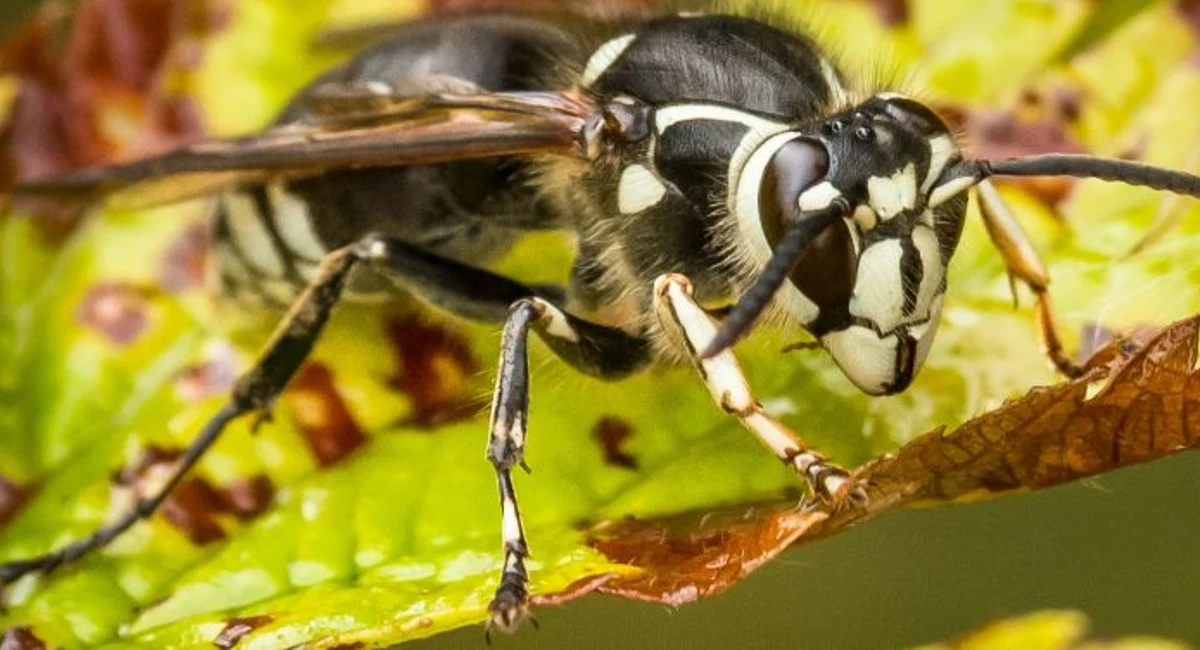
Although they don't make the top 5 in any month, stinging insects do pose a distinct concern for property managers in the months from May to September.
Paper wasps, yellow jackets, hornets, bees, and other stinging insects are active in the warm weather months and into the early fall and can be aggressive if they feel their hive or nest is threatened.
At office properties, ensuring that exterior trash cans have self-closing lids, are lined, and emptied regularly can help deter activity near high-traffic areas.
Get 21 facts about stinging pests
Pest activity on any part of your property can lead to decreased tenant satisfaction, deter potential tenants, and leave your brand tarnished.
Need help? Rentokil's pest management experts can help you design a comprehensive pest management strategy customized for your properties' unique pest pressures and needs.