PestNetOnline
Login© 2026 Rentokil Initial plc and subject to the conditions in the Legal statement
It's pretty common knowledge that pests can pose a food safety risk in food environments. However, many people may not know – or even want to know – how pests can carry and spread an array of harmful pathogens and contaminate foods in ways that are invisible to the human eye. We're here to ruin your day by sharing these 6 incredibly gross but true pest-related food safety facts.
Flies are well-known vectors of disease, but what people may not know is how they spread bacteria and other pathogens. A fly consumes food by sucking it up through a mouthpart called a proboscis. However, in order to be able to suck the food, it needs to liquefy it first. It does that by regurgitating onto the food first – essentially, they throw up on the food. That regurgitation breaks down the food to a liquid.
Now, remember, that flies will eat just about anything, including human and animal feces, rotting and spoiled food, etc. So anything that they have consumed could wind up as regurgitation on other food they land on and consume. Additionally, relays Rentokil Board Certified medical entomologist and Director of Operations Education and Training, Nancy Troyano, Ph.D., flies don't just regurgitate on your food. They defecate, as well.
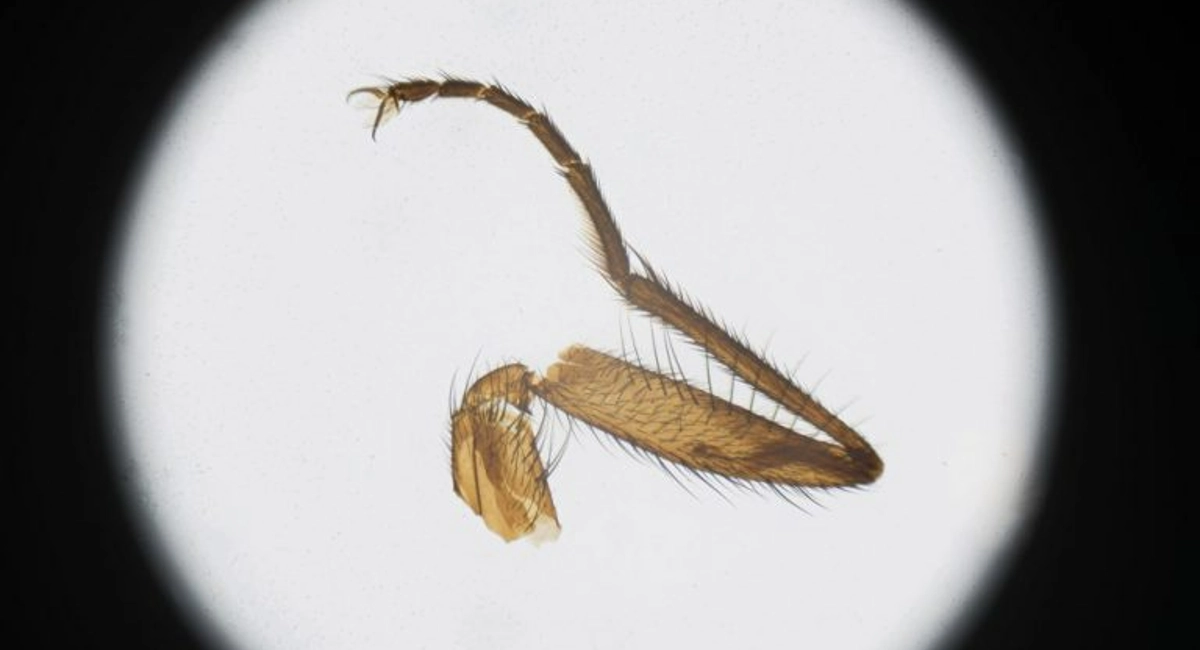
Flies' bodies are also ideal for picking up and retaining pathogens, which can then be spread to the surfaces, foods, or objects they land on, simply by touching them. Dr. Troyano explains, "Mechanical disease transmission occurs when disease-causing pathogens are transmitted via the fly’s contaminated body parts, such as mouthparts, hairs or legs."
Doesn't that sound yummy?
%20(1).2025-05-09-09-00-16.webp)
If a mouse gets into your operation, it will contaminate surfaces, food, or anything that it touches with feces and urine. "A mouse will excrete 40 to 100 droppings per day, along with thousands of micro-droplets of urine," Dr. Troyano explains.
Mice and rats' fur coats are full of dander, mites, and other microscopic bacteria. Just like humans shed hair, rodents shed fur over time. As mice and rats scurry, climb, and move throughout a space, they're leaving fur behind. That fur can end up on surfaces or food, providing a contamination risk.
In scientific studies, more than three dozen pathogens have been isolated from cockroaches. In other words, researchers have been able to identify the pathogens on the cockroach. Many of these pathogens can cause foodborne illness, such as: Bacillus cereus, Campylobacter jejuni, Clostridium perfringens, E. coli, and varying types of Salmonella. Still, others are responsible for parasites such as tapeworms, pinworms, and hookworms. Cockroaches are able to passively transmit these pathogens to surfaces and food that they contact. Cockroaches can move quickly, too – running at up to 4 miles an hour – which means they're leaving pathogens behind at a rapid pace.
Imagine your customers eating insect larvae. If you're not controlling stored product pests, that could be happening. "Stored product pests such as Indian Meal Moths, which are extremely common, lay eggs on food and then worm-like larvae hatch and immediately begin eating the food," says Dr. Troyano. "There are other stored product pests that will bore a tiny hole in the grains, and kernels and inject their eggs into it. The larvae are extremely tiny and grow and develop within the grain or kernel and eventually eat their way out." Here's the good news: stored product pests haven't been shown to spread pathogens or disease – but who wants to eat insect hatchlings?
This one might make your stomach churn. The U.S. Food and Drug Administration allows for a certain number of insect parts in many common foods. These can include everything from stored product pests such as beetles and weevils to microscopic pests such as aphids. This is known as an allowable Food Defect Level, and is defined by the FDA as "levels of natural or unavoidable defects in foods that present no health hazards for humans." If your kids already don't like Brussels sprouts, it's probably not a good time to tell them that frozen Brussel sprouts can contain an average of 30 or more aphids or thrips (tiny insects that feed on plants) per 100 grams.
Whether you're in the food processing business, run a busy restaurant operation, or manage stores that sell food, you know that the presence of pests can compromise food safety for your customers. Is your current program doing everything it can to keep pests out?
Rentokil's service programs and innovative technologies can help you avoid pest-related food safety risks in your business. Contact us today or call 800.488.9495 to schedule a free inspection of your facility or to discuss any of our services or products, including: