PestNetOnline
Login© 2026 Rentokil Initial plc and subject to the conditions in the Legal statement
Brand experience isn't just a buzzphrase anymore. Every touch point and every interaction that a consumer has with your brand – be that online, over the phone, or at a brick-and-mortar location – can affect how a customer or employee engages with your business.
With so many potential touch points, an unpleasant odor on your property may not be the first brand experience element to come to mind. However, research shows that odors may have a long-lasting and potentially damaging effect on your brand.

According to the 2022 Global Consumer Trends Report from Qualtrics, bad brand experiences are costing businesses a staggering $4.7 TRILLION in consumer spending annually.
What does that mean for your business? In that same study, Qualtrics estimates that for the average business, bad brand experiences put 9.5% of revenue at risk.
Your customers have more choices available to them than ever before. A single negative experience at a business is enough to send them to buy from a competitor. Negative experiences may also prompt other actions that could have a ripple effect on that location and others within the brand, such as leaving a negative review or sharing their experience on social media. New retail research from leading brand experience expert Steritech found that of consumers who had a bad experience at an individual location, 45% would visit that location less frequently, and 39% would stop visiting the entire brand altogether.
The good news for brands is that those that deliver a positive experience can reap significant benefits. Qualtrics research shows that consumers are 3.5 times more likely to buy from a brand where they had a positive customer experience, and more than 5 times more likely to recommend an organization where they had a positive experience.
While odors on your property may not be the first thing you think of as a customer experience touch point, consider the research behind our sense of smell and memory.
Many of us have experienced getting a whiff of a smell and having a memory come rushing back to us. The smell of chocolate chip cookies might take you back to baking with your grandmother. The smell of freshly cut grass may remind you of a high school picnic. Why does that happen?
Research published in 2020 by Harvard University found that it could be because of how our brains are built. According to The Harvard Gazette, "Odors take a direct route to the limbic system, including the amygdala and the hippocampus, the regions related to emotion and memory." That is why smells are quick to evoke memories and powerful emotions.
Today, brands are leveraging this scientific connection between odor and memory. Scent marketing is big business: pumping custom scents into lobbies, stores, hotels, and offices to impart positive emotions to customers and employees. Some scents have even been proven to increase spending.
However, the converse is also true. Unpleasant odors can have a powerful impact on memory, as evidenced by 2019 research from New York University. In this study, participants wore a nasal mask connected to an olfactometer and viewed images. While viewing those images, unpleasantly scented or unscented air was delivered via the nasal mask. After 24 hours, participants showed better memory for the images viewed while breathing in the unpleasant air. Researchers found that memories are stronger and more intense when the original experiences are accompanied by an unpleasant odor.
For brands, this represents a point of concern. If your customers or employees experience an unpleasant odor on your property, they may be more likely to associate your brand with that negative experience.
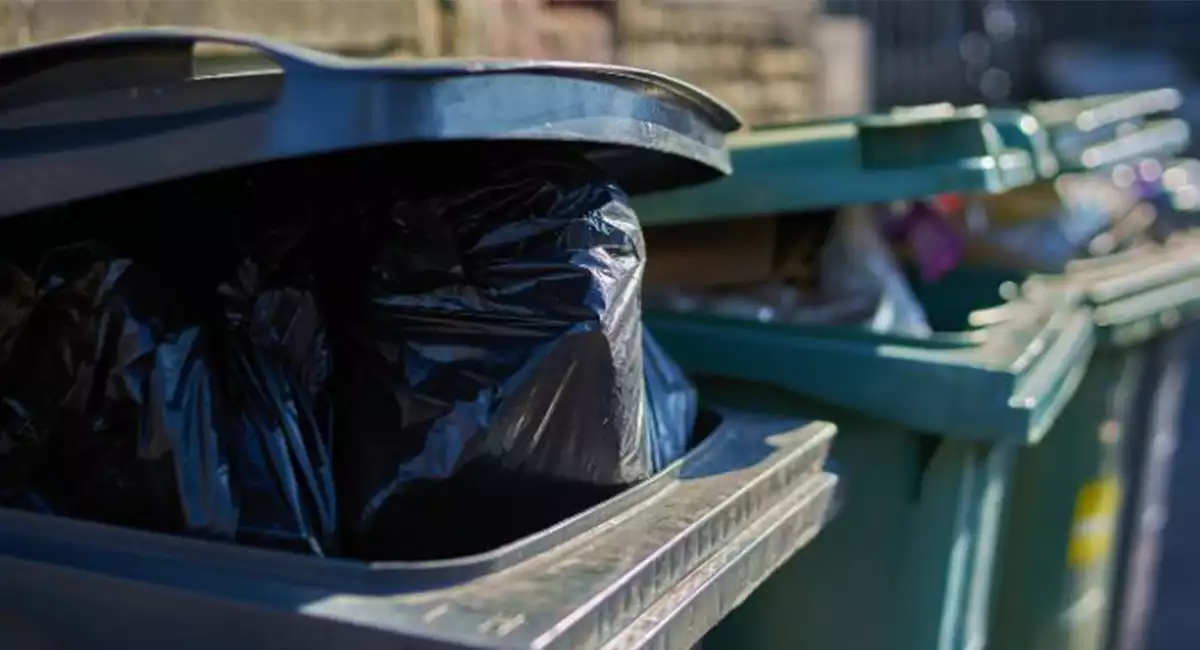
In a business, unpleasant scents can have many different sources. Some of these are controllable, while others may not be. Odors tied to these sources often generate the most complaints:
Trash
Smoke
Mold and mildew
Food
Drains, sewers, and plumbing
Cleaning products
Chemicals
External environmental odors
Livestock
These odors can stem from a few specific areas within a business, but common areas that are reported include:
Trash rooms, trash chutes, and other indoor trash areas
Outdoor dumpster and compactor areas
Loading and receiving docks / Shipping areas
Parking garages
Bathrooms
Kitchens
Guest rooms
Areas where smoking is permitted
Unpleasant odors are sometimes reported on the exterior of a business due to factors that a business cannot control. Those odors may be due to wildfires; smells generated by a neighboring property, sewage plant, farm, or industrial facility; vehicle exhaust odors; or even naturally occurring odors in the soil. These odors may be more difficult to address and may require additional support from local authorities or environmental organizations.
No one wants to experience a bad, foul, or unpleasant odor in a business they frequent or where they work. Unfortunately for businesses, unpleasant odors create compounding issues that can cause severe disruption to operations and brand experience. These items can add up to lost business, lost revenue, and an overall negative impact on your brand reputation.
Indoor air quality (IAQ) has been a topic of renewed attention post-global pandemic. Odors can deteriorate IAQ and even contribute to conditions such as Sick Building Syndrome (SBS). SBS is a condition where time spent inside some buildings results in a myriad of health-related issues for people. Odors can pose health impacts for many people. These range from acute to very serious concerns, including watery eyes, scratchy throat, coughing, headaches, and breathing issues such as asthma, which can be life-threatening. Long-term exposure to odors can have even more profound impacts, or expose people to toxins and carcinogens that result in long-term health issues. In this way, odors not only threaten the health of your customers and employees but also open your business to liability and the potential for lawsuits and fines.
In some environments, such as schools, healthcare facilities, or senior living properties, odors and degraded IAQ could be especially dangerous, as young children, the elderly, and immunocompromised individuals may be at greater risk for health complications.
Customers that spend money at a hotel, retail store, multifamily property such as an apartment complex, restaurant, or other public-facing business may not be willing to tolerate odors. They may complain, share their experiences, or post reviews on social media that can deter other potential customers from patronizing your business. In some cases, your business may need to compensate customers for their bad experiences.
.2025-05-09-09-00-16.webp)
Odors can be problematic in both customer-facing businesses like those mentioned above, or ones that don't serve the public directly, such as offices or commercial properties that have tenants, or logistics and warehousing environments. Employees that work in environments where odors are a pervasive problem may be unhappy or choose to leave their jobs because of concern for their health or due to the stress created by the odor disruption, such as repeatedly dealing with customer complaints.
Odors can also cause morale issues when people feel as though their concerns aren't being addressed. Businesses that don't address odor concerns may find that they have difficulty retaining and recruiting talent, especially with the popularity of job-seeking websites like Glassdoor that allow employees to post reviews of their work experiences for job seekers to see. Like customers, they may also share their experiences via social media, and perhaps deter their friends, family, and acquaintances from patronizing your business.
Many pests are attracted to smells, including those humans deem unpleasant, making your business a target for flies, rats, mice, ants, cockroaches, and more when odors are present. These pests have highly defined senses of smell that allow them to seek out odors, which indicate food nearby. Pests on your property can be another negative brand experience touch point for both customers and employees. Here are some incredible facts to keep in mind:
Flies can be attracted to odors from up to 4 miles away.
Hunger intensifies rodents' odor-detection capabilities, and they will prioritize finding food over other biological needs.
Ants have 4 to 5 times as many odor receptors as other insects – an estimated 400!
Cockroaches use their antennae to sample the air for odors that indicate a preferred food source.
Nearly every U.S. state has laws against excessive odors emanating from businesses. Fines can exceed millions of dollars, depending on the state. These tend to be the result of more severe odor complaints, such as those that can arise from large-scale agriculture and livestock operations, manufacturing, and industrial properties, and can cost companies millions of dollars in legal fees, production stoppages, and reparations made to impacted individuals and communities.
.2025-05-09-09-00-16.webp)
Businesses that create odors may end up dealing with frustration from neighboring properties, be they other businesses or residents. In addition to fines and potential legal issues, when these neighbors complain, it can result in additional neighbor relations issues that can take their toll on the employees of that business.
With a 24-hour news cycle, both local and national media are continually searching out stories. Continual odor issues may prompt unwanted media attention, either from people who visit or work at your business or from neighboring properties.
The good news for businesses is that there are odor management solutions on the market that can effectively resolve many odor challenges. However, businesses looking to deploy an odor management solution should review products carefully before making a selection.
The problem with many modern odor remediation products is that they can sometimes create additional headaches for a business. Here are 5 things to consider before purchasing an odor solution for your business.
Odor neutralization. Many odor remediation products on the market don’t get rid of odors. Instead, they cover them up with heavily perfumed scents or masking agents that can be as problematic as the original odor. Solutions such as Rentokil’s GENIE Max Odor Management System use a patented formula to neutralize odors at the molecular level and start working in as few as 15 minutes.
Programmable features. Businesses often have times when an odor management solution may be more needed. Look for a system that offers your programmable features for time and intensity so that you have more control over your results.
Broad coverage. Problematic odor areas, such as trash rooms, loading docks, and parking garages, can often be expansive. Solving odor challenges in these environments requires an odor management system that can provide broad coverage. Ask your provider about how much coverage is provided on a single nebulizer head and how many control panels you will need. This can impact how much installation work, equipment, and electrical consumption the solution will require, as well as your costs.
Compatible with green building initiatives. If your property has a keen eye on the environment or is pursuing any green building initiatives, such as LEED or WELL Building, ask any potential odor management provider if the system is compatible with those initiatives. Systems that improve indoor air quality, like Rentokil’s GENIE Max, may be able to contribute to credits and points.
Non-toxic products. Whether you’re utilizing an odor management system or a simple deodorization product, be sure that the products being used are non-toxic so that they don’t put employees, customers, or other building occupants at risk.
Solve your odor problems for good with Rentokil’s radically effective GENIE Max Odor Management System. With up to 600,000 cubic feet of coverage on a single control panel, it is an ideal odor management solution for businesses of any size.
Smaller space? Unpleasant smells can often emanate from the back of the house and waft into workspaces or customer-facing areas. Sock it to bad odors with Rentokil’s Defender Pro solution, a hanging odor counteractant encased in a mesh sock. It works quickly to effectively deodorize spaces of up to 650 feet.
Connect with us today and one of our experts will be in touch to schedule a free site consultation and help you determine the right odor management solution for your needs.