PestNetOnline
Login© 2026 Rentokil Initial plc and subject to the conditions in the Legal statement
Around the world, extreme weather events are on the rise. Rising temperatures pave the way for the accumulation of droughts, wildfires, floods and other climate emergencies. In 2021, weather and climate disasters in the United States generated more than $145 billion in economic damage, three times the amount initially estimated by the National Oceanic and Atmospheric Administration.
The Federal Emergency Management Association estimates that about 25% of businesses do not reopen after experiencing a weather-related disaster. Without a plan in place, a climate emergency that causes a power outage, flooding, or damage to assets can be enough to force a company or business to close its doors for good.
To better protect businesses and their people, emergency preparedness experts from Rentokil North America and their family brands, Steritech and Ambius, shared 3 elements to incorporate into a weather-related hazard mitigation plan. Business owners and operators can use these tips to build a plan to protect their employees, consumers, and businesses.
.2025-05-09-09-00-16.webp)
Power outages can happen anytime, anywhere. A nearby accident can cause power lines to break and cause a local blackout. Torrential rains, strong winds, or excessive temperatures brought on by severe storms can also cause regional or widespread disruption. Business owners may not be able to prevent a blackout, but making plans ahead of time and incorporating step-by-step instructions for unique business needs can help you avoid the loss of temperature-controlled products.
Take an in-depth tour of your facility and observe any temperature-controlled products or power-dependent vulnerabilities. Include clear instructions for handling those products in the event of a power outage and make resources readily available.
Have a paper log on hand to manually monitor and document product and food temperatures, as long as it is safe to stay in the building or if the power outage is confirmed to be brief. To keep items cold, avoid opening reach-in and walk-in cooler doors as much as possible. A freezer in good condition can maintain its temperature for up to 24 hours if it remains closed.
“When a power outage impacts temperature-controlled products, discard any foods that may have been in the cooling or warming process,” advised Paula Herald, Technical Consultant at Steritech. “Don't take chances trying to cool down hot foods; discard in the interest of food safety. “
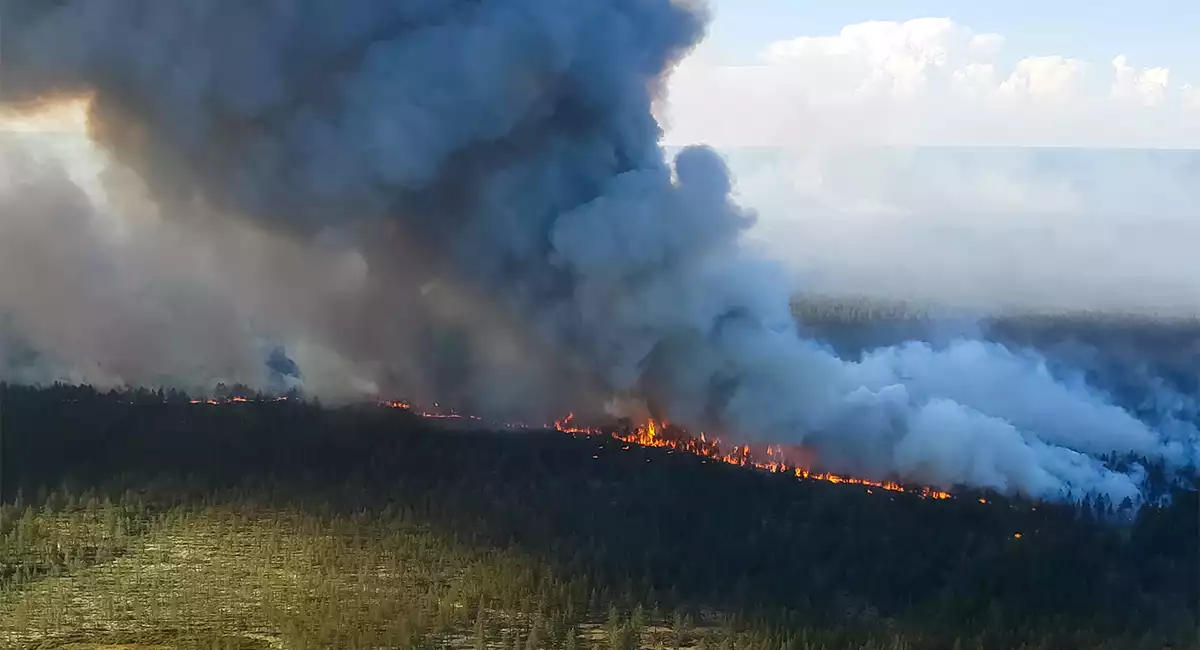
Flash floods and wildfires continue to ravage the country, releasing toxins, bacteria, smoke, and other destructive pathogens into the air. These pollutants infect the air and seep into floors, walls and furniture, persisting long after the flood or fire is over. Exposure to those pollutants can be very harmful to people, leading to problems in the heart and lungs, inflammation of the eyes and skin, and a host of other health problems.
Do not enter a domain that has been affected by a flood or fire without first receiving approval from health and safety officials. Once the space is considered safe, assess any structural damage, look for signs of smoke or mold damage, and discard anything that cannot be washed, rinsed, or disinfected, such as furniture and carpets. You can use air decontamination kits to remove toxins, gases and pollutants that remain in the air.
“The increased frequency of natural disasters is having a significant impact on air quality,” said Matt Hayas, Director of Product and Innovation at Ambius. Business owners can address indoor air quality concerns by investing in specialized air decontamination units designed to effectively remove 99.9999% of air pollutants before, during and after severe weather situations. “
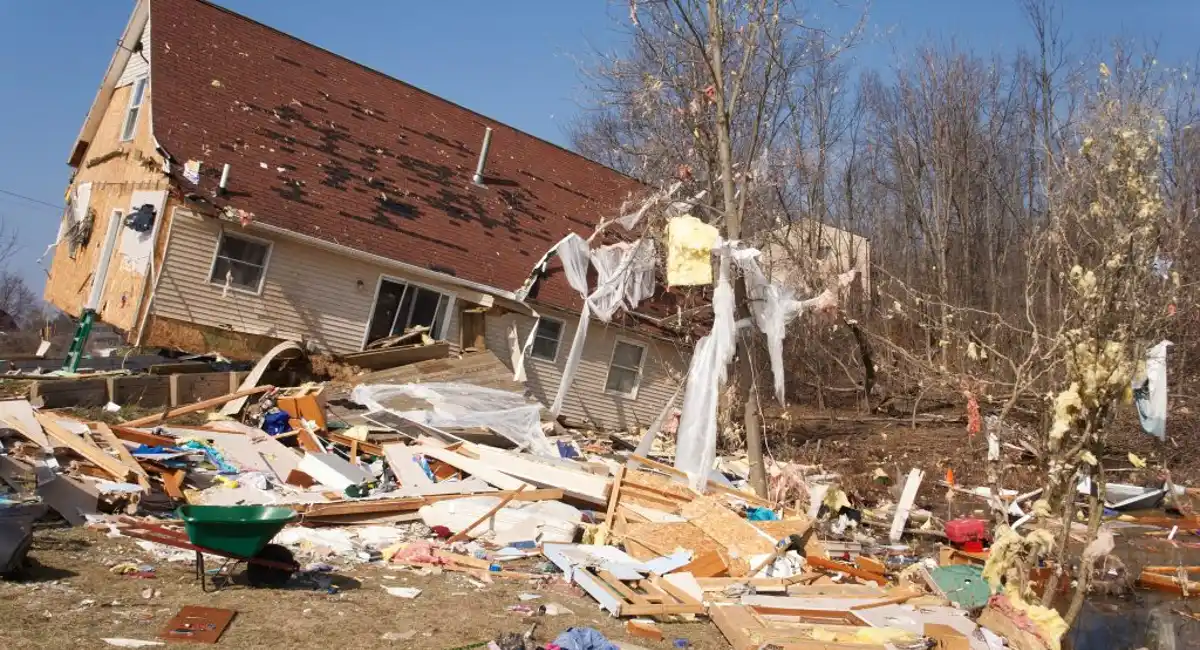
Natural disasters can leave behind damaged roofs, broken windows, fallen trees, and other destruction and debris. Structural damage and piled debris are not only safety hazards, but can also create the ideal environment for rodents, insects, birds, and other pests looking for a new home.
Once the weather emergency has passed, it is vital to take an extensive walk-through of the property. Identify all open access points and move fallen trees and debris as far away from the building as possible.
“A minimum distance of 25 feet is recommended to keep pests from entering the building,” said Dr. Nancy Troyano from Rentokil. “Rodents can fit through holes as small as one-fourth an inch. Therefore, it's critical to conduct a thorough inspection of the building, before and after a storm hits. “
Dealing with the aftermath of a climate-related crisis can be overwhelming and costly. A pre-established hazard mitigation plan can save businesses up to $13 per $1 invested (National Institute of Construction Sciences). As climate change continues to advance, the threat of climate emergencies may soon be a reality for many other people across the country. Be proactive and come up with a plan before a crisis occurs. Incorporate these tips into a crisis plan to better protect businesses, households, and people you serve.
To learn more about emergency preparedness tips, visit our website or download our free Extreme Weather Checklist below.