myRentokil
myRentokil login© 2026 Rentokil Initial plc and subject to the conditions in the Legal statement
Termites, otherwise known as the “property destroyer” is certainly not an easy task to deal with as a non-pest control specialist. Firstly, signs of termites are not as visible and clear, secondly they do not physically crawl around in the home, and finally, the termite colony will take years to develop into a full termite infestation.
Rentokil Singapore shares the common top ten misperception of termites and best termite control approach to adopt for your home. In addition, Rentokil will provide useful termite prevention tips, and suggestions on how to get rid of termites naturally.
Part 1:
Ten facts of termite misperception we need to know
Part 2:
Understanding more about termites and their habitat
Part 3:
Taking proactive steps and best way to treat termites
Part 4:
Maintaining long term protection and maintenance against termites
Most would associate termite problems with a landed property due to its nature and build-up of the structure. For instance, there is a backyard and courtyard, front garden pouch and massive structure set up, flooring and beams constructed. However, do you know termites can travel upwards up to 25 storeys or more? Yes, termites can travel sideways and vertically. This means, even HDB flats and condominiums are also at risk of a termite infestation. In conclusion, termites could even travel from your neighouring unit or cluster.

Termite infestations can be due to activities within your neighbourhood.
Unfortunately, it does not mean that so long as the previous homeowner has taken up an anti-termite treatment or you have previously engaged termite services for your home, your property is safe from termites. This is because of a few reasons:
Expose furniture and home to sunlight is good enough for termite eradication
Exposing your furniture with direct sunlight can eliminate termites due to its heat emission and dehydrating any possible moisture that termites thrive. However, this approach may not cover the entire furniture, or adapt to existing infestation taking place and the 24/7 termite activity that is taking place daily. This also does not address protecting the structure beams or flooring which is a risk of a problem invasion as well.
Most would believe old homes with poor and compromised structure conditions are at risks of all pests including termites. In some extent, this is true due to the following:
However, new homes may be at risks of a termite issue as well. Firstly, termites can travel and spread from neighbouring sites. Secondly, the type and choice of furnishing and building materials may promote termite harbourage. Thirdly, urbanisation and lifestyle concepts such as patio units and water features promote moisture as a termite food source. Fourthly, it depends on the quality of landscaping that generates overgrown shrubs or mulch. Finally, poor air flows within the home if largely glass panels constructed with minimal ventilation. Above all, the warm and humid weather makes termite infestation a yearlong all round pest challenge for everyone.
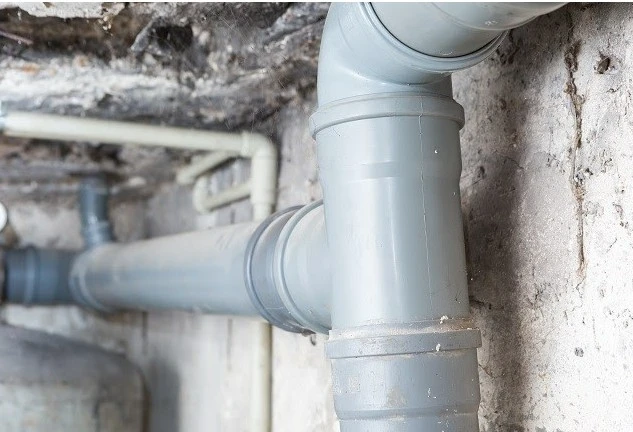
Poor plumbing including leaky pipes can promote termites infestation.
Most properties are required to undergo 10 years pre-construction termite barrier treatment before the building is established. Under the recommended guidelines for structural engineers under the Building and Construction Authority (BCA), there is a checklist for termite inspection and treatment by the appointed termite specialist. However, this typically covers the exterior of the development and for individual units within the condominium blocks; a separate treatment package is required. Above all, the efficacy and effectiveness of termite treatment also depends on the type of active ingredient and treatment delivery adopted prior to the construction process.
There are many possibilities and opportunities on where do termite live. Besides furniture, they live in the soil, build their paths, and plan their routes up with mud tubes. For species such as Dampwood Termites live within wood such as a log or branch, commonly found outdoors of the home. However, Drywood Termite, which is also a common home pest problem, also stays in the attic, door frames and wooden framing around the home. In summary, termites are present both indoors and outdoors, not just eliminating furniture placement itself.
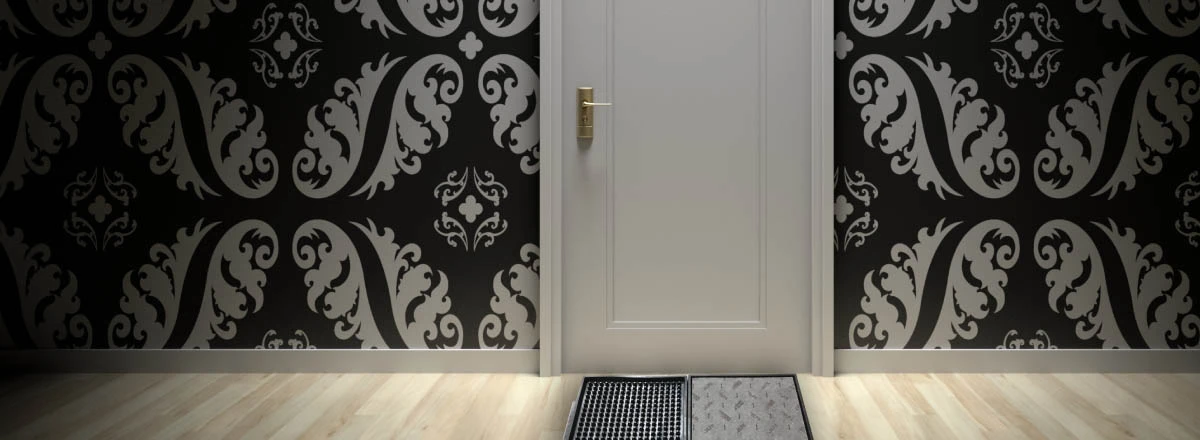
Drywood termites may be found in wooden door frames.
A pest myth we should debug the fact around only either termites or ants found in a home. Here are some reasons to clarify this myth:
These flying termites you see around the home are actually called swarmers. They have pinched waists with equal length wings that are different from those of ants. Typically, you will spot them during wet weather or conditions are humid, and take place usually the day and sometimes at night. While these swarmers may not be an indicator of an infestation but merely entering from elsewhere, it is always good to seek professional termite infestation to rule out any possible termite problem.
Who would have thought those dirt and sawdust lying on windowsill and panes or floor surfaces could be a sign of termite infestation. These are not the dirt and grime due to housekeeping gaps but rather, the droppings of termites, called frass. Very tiny in length of around 1mm, they are easily mistaken for dust, or sprinkles of seasonings such as pepper.
Another major misperception is the presence of termites of a home. The exterior or outdoors are often neglected, be it landscaping, pests’ presence and potential hot spots for pests to breed. Most efforts and investments are spent internally but it is important to know, the first cause of a pest problem is by entering from the outside. In the case of termites, they can breed near the garden where there are trees, shrubs, wood logs and picket fences, and if the foundation is connected to a home.

What are termites and the species type?
The first basic step on how to get rid of termites is to know your termite enemy better. Understanding their behaviour, what they like to feed on, where they live, what makes them breed, how they look like and what attracts them helps.
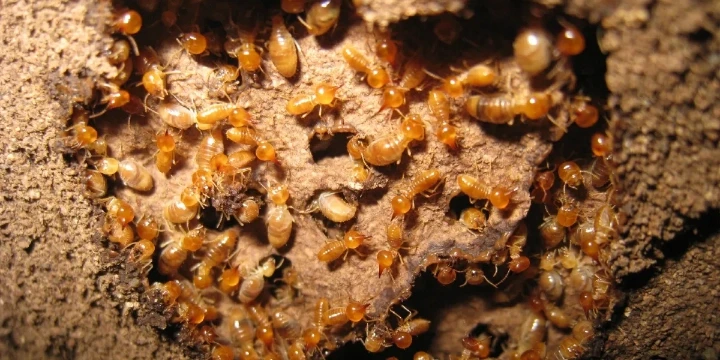
Interesting fact about termites
Termites and ants belong to different types of insect family, and the term white ant is another way to describe or address termites. However, termites are not the same as ants. Firstly, both are associated with wood, however for carpenter ants, they do not feed on wood. Rather, they need to dig and remove wood out for their nesting purpose. Secondly, their wings are different when looked closer. Termites have equal size on all their four wings. Thirdly, ant’s waists have a thinner diameter compared to termites. Finally, the infestation signs and mode of treatments differ for both pest types.
A series of factors causing termites to start an infestation within a premise includes:
Small and mighty, termites can cause detrimental damages and risks to your home and property. These damages include:
What should you do if your house has termites and what are some termite damage repair options? Here are some options you can consider:
Having said all the worrying concern of termite damages, how do you know if you have termites? Is there a way on how to test for termites? Firstly, you can try the traditional method of knocking the wall as termites make clicking sounds when they sense danger. Secondly, you can take the observation approach by looking out for common termite infestation signs. Finally, there is a modern and innovative way of detecting termites by using microwave technology to detect termite activities. It involves using a hand-held scanning device to trace for termite presence along the wall structure.
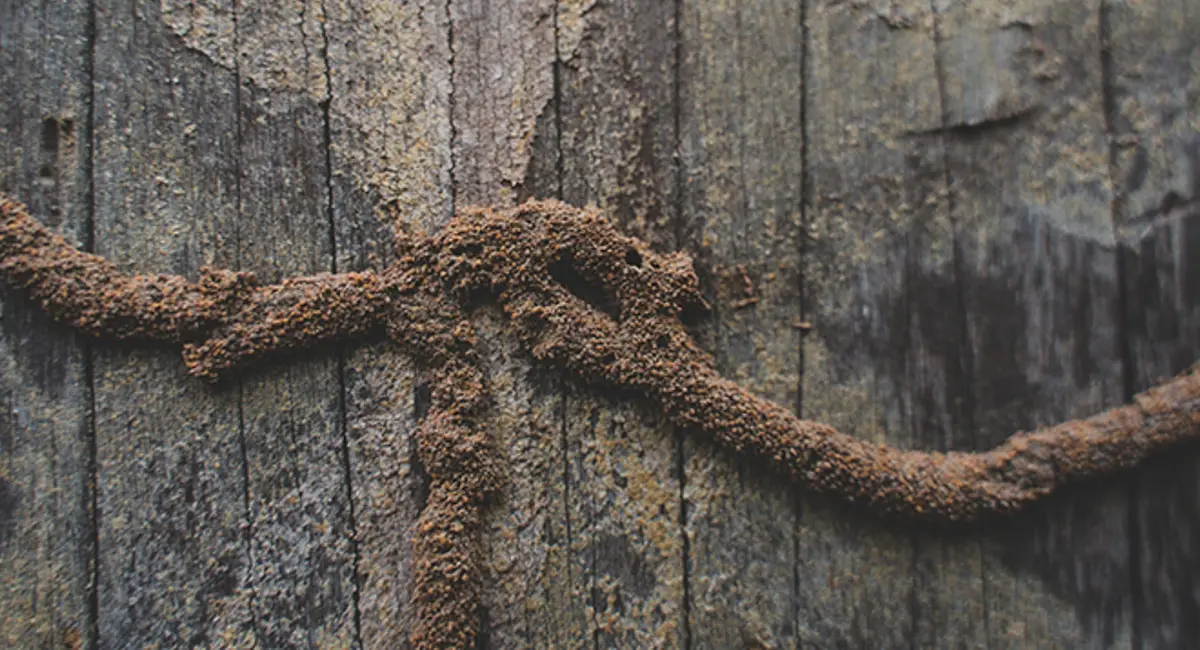
Signs of a termite infestation may include the presence of unsightly mud tubes.
It is not as easy when it comes to eliminating termites. Some common termite control challenges include firstly, it is not easy to spot and identify unless conducted by a professional. Secondly, we tend to mistake termites for ants and utilise the wrong treatment methods. Thirdly, there are many termite control services options in the market to consider. Fourthly, most packages require quite hefty sums to maintain. Above all, lack of familiarity on what is to be expected of a termite treatment process poses a bother to most homeowners.
Seems tough as it seems, but it is not difficult to ensure you have an annual termite inspection in place. During termite inspection, professional termite specialists will perform both visual and digital detection of your premise for termite activity. Early remedies and actions are suggested upon detection of termite presence. Above all, you can start to take notice of these termite signs while doing daily housekeeping as an ongoing detection effort.
Rentokil Initial shares a series of termite control services for your convenience and ease of research
How much it costs to get termite treatment varies and depends on a few factors. Firstly, we need to consider the type of termite species treated. Secondly, the mode of treatment via baiting for injection matters. Thirdly, there are different active ingredient grades and brands offered in the market. Fourthly, we need to consider if it is a long term 7 years package or one-job removal job. Finally, the brand and credibility of the pest control company you engaged.
Most would think that by having a termite programme in place, we have completed our job. This is not the case. As we spend some investment in protecting the home for at least 7 years, ongoing maintenance and proactive protection is necessary. This is because termites can occur in various conditions and situations, and for some may be uncontrollable and unavoidable. Follow these useful termite preventive tips to safeguard your home further.
You may have tried some do it yourself (DIY) treatment for termites remedies but have you wondered if they work? It may seem cheaper, easier and more attractive to adopt compared to going through some process in engaging a termite specialist. Here are some natural pest remedies to get rid of termites.

Is the use of orange oil an effective home remedy to get rid of termites at home?
A complex pest such as termites requires multiple information and facts to understand how to tackle this pest challenge. Here is a series of information for your knowledge on termites
Call Rentokil Termite Specialists at (65) 6347 8138 for a termite pest control today.