myRentokil
myRentokil login© 2026 Rentokil Initial plc and subject to the conditions in the Legal statement
Wasps, Bees and Hornets. They are all yellow, black insects with six legs, potentially stings but just because they share some similarities that does not mean they are the same. In fact, they are very different in terms of outlook and habitat. In this article, Rentokil shares with you all you need to know about these three flying insects- the good, the bad and the necessary pest control measures to take.
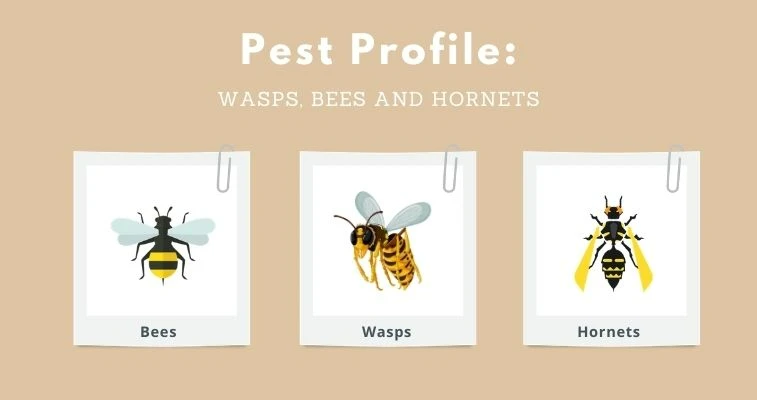
Wasps are social, winged insects. They are commonly identified by their very narrow waists and patterned black-and-yellow bands on their bodies. Wasps are carnivorous and prey on other pests, and they live in colonies, building their nests out of papery substances made of mixing chewed wood pulp and soil.
Bees are social, winged insects most known for their role in pollination. They feed on nectar and pollen. Nectar being used as an energy source, and pollen for protein, while nutrients and food for their larvae. They have a caste system of drones, workers and queens and live in hives- yellow honeycomb cells that store honey and pollen, as well as protecting the bee eggs, larvae and pupae.
Hornets are another type of wasp and classified as so for making aerial nests, meaning that they make nests at a height above the ground. They are viewed as dangerous pests and are very aggressive when guarding their nests or when being provoked or threatened.
Read also: The habitat and lifecycle of bees, wasps and hornets
A similarity that Wasps, Hornets and Bees all share are stingers. All of their stings also contain venom. When a person is stung by any of these and is allergic to the venom in the sting, they could suffer an allergic reaction. Worse still, they might even suffer from a severe allergic reaction called anaphylaxis- characteristics include severe itching, inflamed or discoloured skin, nausea, vomiting, swelling at the site area in the face and neck, and breathing difficulties as the throat begins to swell.
However, aside from sharing the inherent ability to sting, each of them are still very different.
Wasps
Bees
Hornets
Inherently, wasps, bees and hornets are not dangerous. They are only dangerous when threatened. When they feel threatened, they sting by jabbing a barbed stinger into the skin.
Wasp, bee and hornet stings are dangerous because of the venom released in the sting. Venoms in the sting contain proteins and enzymes that affect skin cells and the immune system, causing the immediate area around the site of the sting to swell.
In a minority of cases, bee stings can trigger severe allergic reactions in people, also known as anaphylaxis. Anaphylaxis is a severe allergic reaction, with signs of hives, itching and flushed skin, swelling, and breathing difficulties that can quickly escalate into a life-threatening emergency medical situation if the throat swells up and closes off the victim’s air supply.
In the event that you encounter either a wasp, a bee or a hornet. The first step is to calmly walk away and avoid disturbing the pests. Bees, particularly Honey Bees and Carpenter Bees, only attack if their hive is disturbed and feel threatened by your presence. Do not attempt to perform a pest eradication on your own without prior training and possessing relevant accreditations.
Wasps and hornets on the other hand, pose a more significant risk. They can become aggressive in a shorter time, and their stings are even more painful. To add to that, if you do see wasps in your area, there is a very high chance that the nest is located nearby, either on the property, or close by within flying distance. Seek a professional pest control company who will perform the nest removal with proper process and protocols.
In the event of a sting, this is a list of things to do:
Insect bites and stings are painful, and different individuals have different pain thresholds. The duration of pain also differs from victim to victim. In the case of mild pain, you could take over-the-counter (OTC) medications, whilst monitoring symptoms and side effects of the sting. However, should the pain persist, and should symptoms worsen, head straight to the nearest hospital for further medical assistance.
Read also: What you need to know about the various sting bites
Protecting yourself from wasps, bees and hornets starts with reducing the risk of exposure and knowing what to do when stung.
Reduce the risk of your exposure to bees by avoiding being in near proximity from bees. However, if activities do bring you in closer proximity to bees, protect yourself with this useful checklist:
Have someone stay with the victim to ensure that they do not have an allergic reaction. Be on standby to contact medical services as well should a reaction.
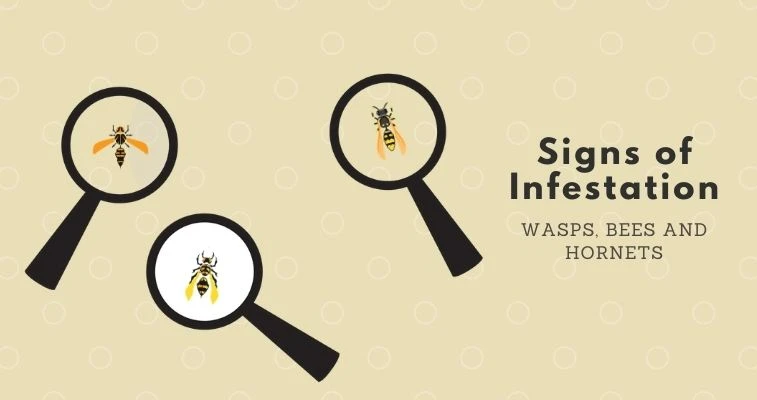
Firstly, wasps typically build their nests among leaves, tree trunks, and increasingly, man-made structures. They build their nests using a papery substance created by chewing up wooden material into a pulp and combining it with soil. Secondly, to check if you have a wasp nest near you, check around the nearby vegetation and shrubs near your home, as well as checking the external parts of your home to ensure that there is no wasps hive built. Thirdly, in homes, wasps tend to hide in high, suspended areas like bookshelves, cabinets and door hinges. Finally, it is advisable to do a thorough check of the house as such.
Wasp nests are typically big smooth structures with visible ‘layers’ of greyish-brown material, made of the paper-soil mixture they use to build their nests. These nests often contain a whole colony of wasps and they can get aggressive very quickly if they feel threatened. So do check thoroughly, but remember not to disturb the nest. If you do spot a nest, alert people to the location of the nest and remind people to stay away in the meantime while calling for professional help.
Carpenter Bees are solitary bees and they fly solo. They act by boring holes into wood in order to lay their eggs. To check for carpenter bees, check the wooden areas in your house such as wooden floorboards, skirting boards and support beams for round, smooth bore-holes. They could drill too many holes and could inflict serious damage to your home by potentially compromising the home’s structural strength.
Honey Bees operate in colonies. Their hives are constructed in sheltered spaces like tree-holes, roof eaves, upturned flowerpots and gaps in buildings. There have been cases of honeybee hives found in housing estates in Singapore. Hives have been found covering windows, gaps in buildings and among air-conditioning units.
Bumble Bees on the other hand, nest underground in naturally occurring cavities, or in abandoned rat burrows. They are much less likely to pose a problem, unless their nests were established in areas with high-human traffic or in a location where it will be likely to cross paths with humans and pets.
A hornet infestation is usually indicated by the huge hornet nests they build. They construct their nests with plant fibres, and are built on trees, within low-lying shrubs, building facades, and man-made objects like roof eaves, fences and benches. Hornet nests consist of a hexagonal comb, an outer covering, and a singular opening. The size of the nest is relative to the colony size, and can grow to the size of basketballs.
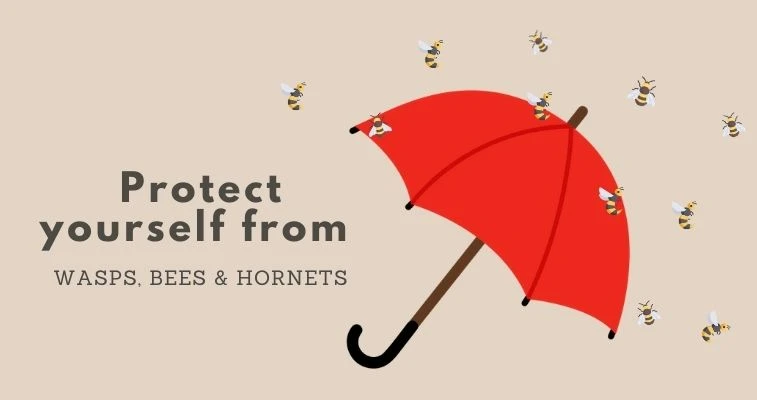
If you see an infestation or a nest, the golden rule is not to go near the nest or disturb it. Wasps, bees and hornets are extremely protective of their homes, and will become aggressive and sting many times as they defend their nest. When you do spot a nest, these are the deterrent tips you can take to protect yourself and protect your home.
Read also: Why do wasps come into our home?
If you do spot a nest, these are the things you must not do as these activities are dangerous and could even result in varying degrees of property damage, potential injury to yourself, and an increased exposure to stings.
Read also: Wasps nest removal in Singapore
Firstly, deter them by eliminating any potential food sources. This includes food and water left out, which attracts small insects that subsequently attract the wasps and hornets as small insects form part of their food source.
Secondly, quickly conduct home maintenance and cleaning. Patch up any visible gaps in the walls of the house that could potentially be an entry point for any of these insects, and install screens in windows should they fly in on accident if the window is left open. Thirdly, regularly maintain the cleanliness of the external area of the house to prevent any wooden, paper or organic material to build up, which could be an attractive nest-making material for wasps and hornets. Finally, keep the windows and doors closed to ensure that these insects have no opportunity to enter your home.
Professional treatment of wasp, bee and hornet issues typically involve a site visit to assess the severity of the infestation, and further steps will then be taken to safely remove the nest and eradicate the hives or infestation without causing additional harm to humans, pets or the building structures. Contact Rentokil Singapore at (65) 6347 8138 for a pest control service today.