myRentokil
myRentokil login© 2026 Rentokil Initial plc and subject to the conditions in the Legal statement
Table of Contents
Introduction
Part I: How to Find the Warning Signs of Pests
Part II: Essential Home Inspection Checklist
Part III: How to Protect Your Home From Pests
Part IV: Why is Pest Control a Long-Term Commitment?
Is the roof leaky? Are there any electrical problems? Plumbing issues? How is the insulation? Is the house structurally sound?
These are but some of the questions that can run through your mind when buying a home for the first time. It can be stressful enough without the worry of a potential pest infestation. While cockroaches, rodents, and termites may be the least on your mind, they are just not something to cast aside. They may be very good at hiding, but they tend to leave signs behind, which can help you determine whether a house is worth buying or renting at all.
You can engage a residential pest control service in Singapore to inspect the place or learn how to identify some yourself. Either way, you are saving yourself from a lifetime possibility of having to deal with pests, not to mention the costs and stress involved.
Being a tropical country with a warm and humid climate, Singapore is home to a wide range of pests that include rats, mice, cockroaches, bed bugs, termites, and others.
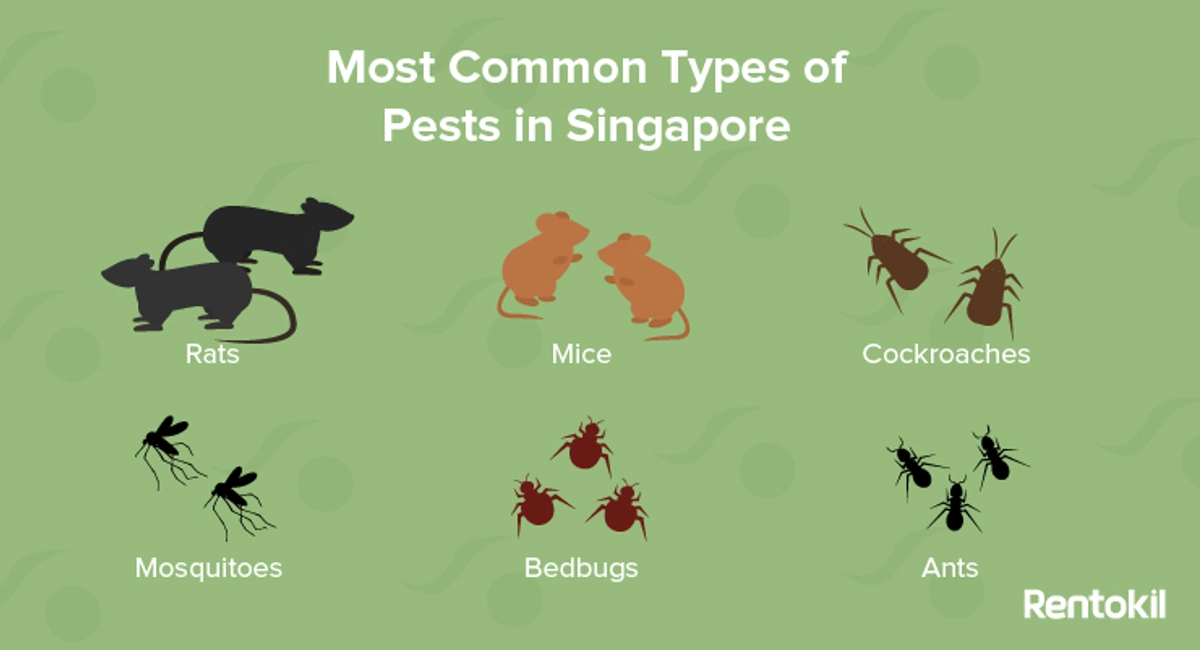
These pests can contaminate food and cause damage to your home—from clothing to furniture and everything in between. For instance, rats can chew on electrical wires and bed bugs can infest your bedroom and thus may require you to replace your bedding and upholstered furniture.
Termites, on the other hand, can eat away wood in your home from the inside out which when left undetected. The damage can compromise the structural integrity of the property. Either of these pest damages is costly in terms of home pest control, repairs, and replacement of damaged items.
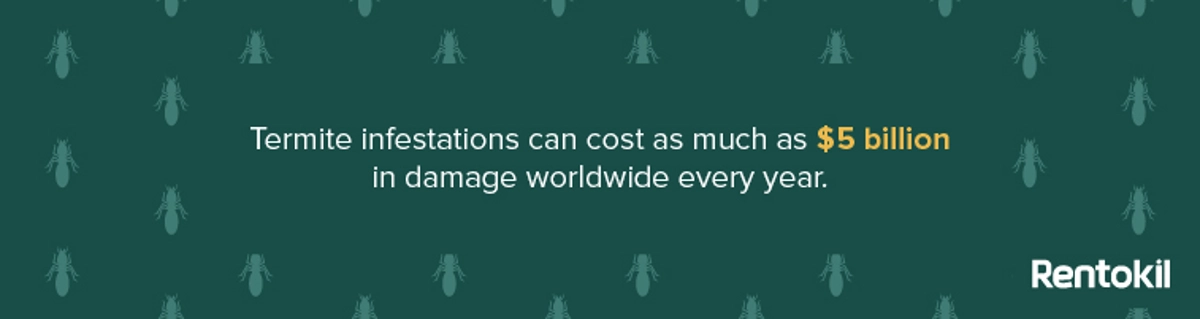
Estimated that the annual cost of termite damage alone is at $5 billion worldwide and while there is no ballpark figure as to how much you would spend to reverse pest damage, you can assume it is expensive no less.
The good news is that the sooner you catch an infestation, the less damage there will be. The same applies to when shopping for a new home: taking immediate actions now can save you costly repairs in the future.
The first step in inspecting a property you are interested in buying is to do a visual evaluation. Proper diligence is crucial to guarantee a pest-free home. With that said, below are some of the signs to look for when checking for potential infestations.
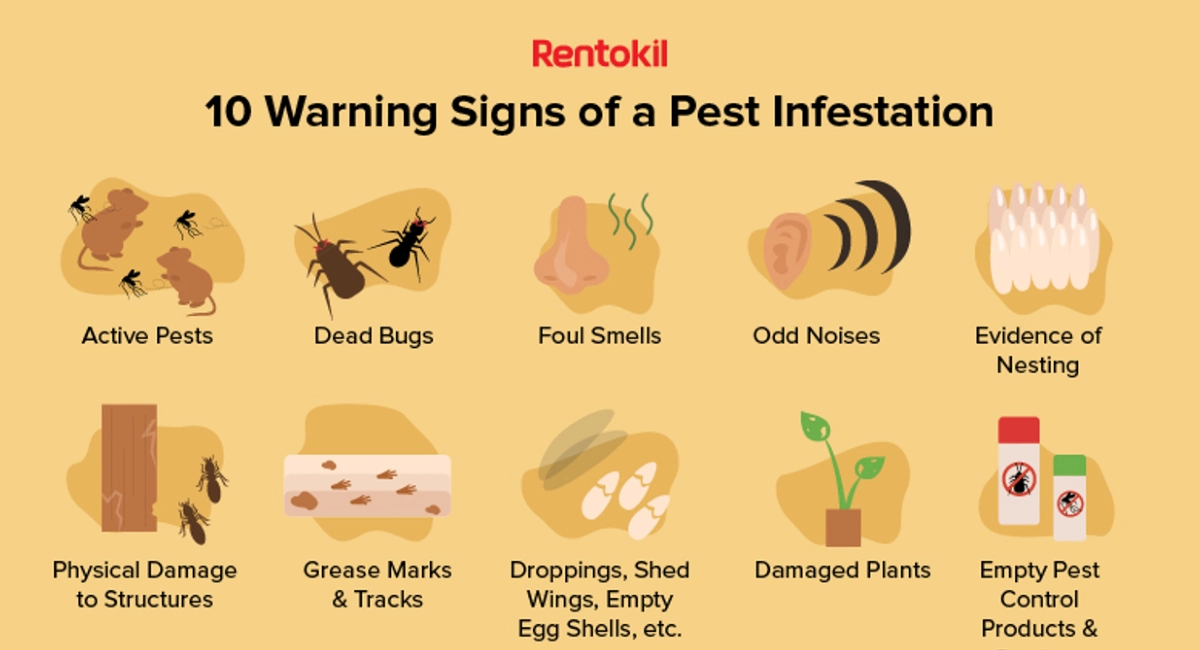
Are there insects flying or rodents scurrying around the house? Seeing live pests should be an immediate red flag because chances are, there are much more pests hiding currently.
If you do not see live pests anywhere, do not be too confident just yet. Look for dead bugs, rats, or cockroaches in the ledges, basement, or anywhere near their entry points.
Mice give off a musty, urine smell while rats smell like ammonia. Cockroaches, on the other hand, have an oily odour and bed bugs are distinguished for their sweet, musty smell. Read more to find out other smells related to pests.
Noise
The scratching on the walls, gnawing, squeaking, or the scurrying sound on the ceiling, floorboards or behind the walls where rodents scurry—be wary of these odd and suspicious noises.
Rats and mice can make nests out of whatever they have available to them. Some evidence of nesting you should look for include shredded paper or scavenged pieces of cardboard.
Holes, stains, and scratch marks on the furniture are a giveaway of a possible infestation. The same goes for chewed-up wirings, among other things that rats might have destroyed in the property.
Grease Marks & Tracks
Both insects and rodents travel the same routes every time, leaving a greasy trail. As such, you can tell a potential infestation through these greasy marks along the walls and floors.
Pest droppings, shed skin, bloodstains, and empty egg cases—these are excrements that pests leave behind particularly rodents, bed bugs, and cockroaches. Learn to identify the seven kinds of poops you may find in a property.
In the outdoors, look for gnawing on the edges of grass blades and any leaves. Also, check for breeding grounds and maybe anthills for potential signs of infestations.
The presence of empty pesticide spray bottles and traps can indicate the previous owner’s attempts in pest control and that there may still be an infestation to deal with.
Some other things to be wary of are the signs of a termite infestation. Termites are highly destructive pests that feed on wood, causing structural damage, weakening to a property, and creating unsafe conditions for you to live in.
Check a potential home for the following signs of termite damage:
Do not sweep these things up to the side and hope that you do not have to deal with them when you move in or rent the property. It is good to check around the house as well as its surroundings for the potential cause of infestation.
Inside the home, there are at least three high-risk areas to inspect in for pest infestations. They include the kitchen, the outdoor or balcony, and anywhere that you have plenty of items—stored wood, appliances, etc. Besides that, you should also look all over the property, taking into consideration its location, condition, and neighbouring environment.
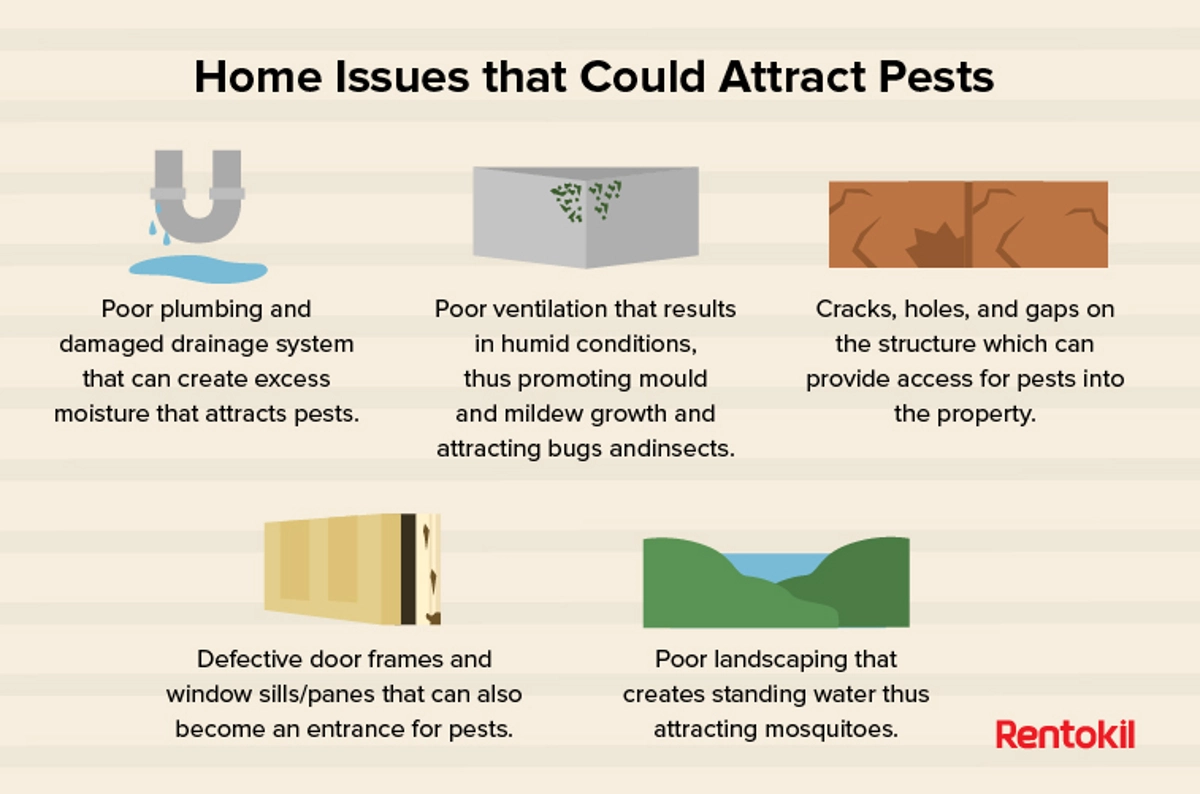
Below are some environmental conditions and structural issues that could attract pests in a property:
Poor Plumbing & Defective Drainage System - Damaged pipes, blocked drainage, and poor plumbing all create excess moisture that can become a food source for pests. Furthermore, they also cause stagnant water that provides a breeding ground for mosquitoes.
Poor Ventilation - In the same way damaged pipes can attract pests into a house, poor ventilation that results in humid conditions can also have the same effect. It also promotes mould and mildew growth, which smell attracts termites, booklice and among other pests.
Structural Damage - The cracks and gaps in the concrete or on the wall, roof, and floor can provide access for pests into a property. This applies to defective doorframes, windowsills or panes thus, giving them access to sneak in.
Poor Landscaping - Even with a good drainage system, poor landscaping can also result in standing water and hiding opportunities for pests like rodents and mosquitoes. All of which can spread harmful diseases to your family.
Other Factors that Can Make a Property at Risk of Infestations
Moreover, also keep an eye out for other factors that can result in pest infestations—tree or shrub branches that touch the siding or roof, wood stored against the walls, gutters filled with debris, etc. Read further for more potential issues that you can overlook when shopping for a new home.
Above all, make sure to ask the agent if there have been any prior pest control measures taken by the previous owners to protect the property against pests. Alternatively, if they have engaged pest control services in Singapore in the past.
Try to ask for documents or service reports that would detail the property’s history of pest control and inspections.
You have found the home of your dreams and been given an offer. If after all these inspections you have discovered that the house has pests, should you or should you not buy the property.
If you ever find yourself in this situation, it will very likely leave you feeling confused. A pest infestation should not stop you from purchasing your dream home. Below are some questions to ask yourself.
One factor that can help you determine whether a pest-infested property is worth the purchase is how serious the infestation is. For instance, you can purchase a home with termite damage as long as it is in early stages of termite infestation r. Otherwise, any more serious and it may be more costly to repair than you would have spent on a pest-free home. You might not know any of that unless you carry out professional pest control inspection.
Pest-infested homes are often compromised in terms of property value, which can appeal to you if you are looking for a bargain. Keep in mind, however, that the cost to repair the damage and engage pest control can sometimes be more expensive than purchasing a good condition home. Therefore, make sure that the cost to repair major structural issues does not outweigh the costs of buying a home that is free of pests.
If you are not keen on addressing the infestation yourself in exchange for discounted rates, you have to make sure that the seller has addressed the root of the infestation problem. For instance, if the problem is the moisture that has resulted from clogged gutters or the damp wood that has attracted termites, do sort out the issues before committing further.
Residential pest control can help put your mind at ease when moving into your new home. It can help you set up precautionary measures to prevent future infestations. In this case, it addresses an existing pest problem and keep them from resurfacing.
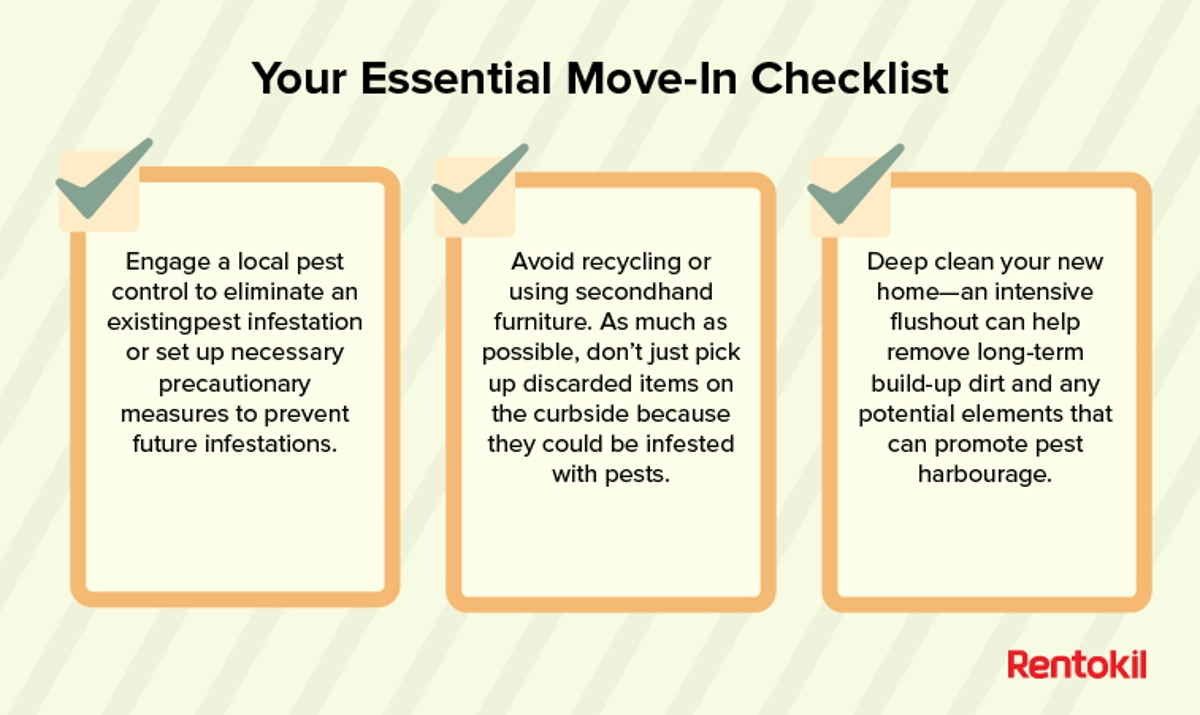
For a start, some of the home pest control services you should engage in should include long-term and ongoing protection against ants, mosquitoes, and cockroaches. As said earlier, termite protection is crucial to avoid costly damages and repair in the long run. In an estimate, it would cost as much as $950 to replace a termite-damaged doorframe, alone. Read more to find out how much replacement and renovation may cost for termite damages.
It is hard keeping pests like ants and cockroaches out of the home, given that most of their needs to survive are constantly available within - food, water, and shelter. Together with good housekeeping, cockroach control and ant control can help keep these pests at bay. A monthly pest control servicing that involves residual spray and gel baits would often suffice, unless your home has other underlying conditions that require intensive frequency.
Singapore has entered the dengue peak season—from June to October—but even before that, the country has been seeing a spike in dengue fever cases at an alarming rate. This further highlights the need to protect your family against dengue fever by keeping mosquito populations under control.
At Rentokil Singapore, we offer an integrated mosquito control programme that not only targets adult mosquitoes but also gets rid of mosquito breeding sites. We also recommend the placement of a smart mosquito trap called In2Care, which kills both adult mosquitoes and larvae. For additional protection, particularly among families who spend good amount of time at home, we suggest installing indoor mosquito trap such as Moslcean.
Some may think that pests can be removed using household products. That is not always the case, particularly when you have termites—probably the most complex pest to deal with. They are rarely visible and feed frenzy deep within the wooden structures of your home.
Therefore, instead of trying to save money by buying commercial products, engage a qualified termite control specialist who has the knowledge to locate and remove termites effectively.
There are various options available to treat termites such as baiting, injection, or localised spot treatments. There are also green solutions for those who favour eco-friendly and low toxicity pest solutions. The best termite treatment is based on factors that are unique to your situation:
Soil treatment: This is applied directly to the soil under and around your home, acting as a barrier that kills subterranean termites once they are exposed to the chemical.
Wood treatment: This type of treatment includes surface sprays, injected sprays and foams, and Borate-treated wood. Surface sprays are used when constructing a home while wood injections and foams are utilised post-construction.
Bait systems: Bait stations are installed around the perimeter of the property and when the termites find and eat the bait, they bring it back to the colony, eventually contaminating other members as well.
Additionally, Rentokil Singapore also conducts termite inspections that detect termite movement and activity accurately. Here are some useful questions to ask your termite specialist during an enquiry.
Should you only engage in pest control before moving into your new home?
Unless you are willing to share your home with insects, rodents, or any other pests, pest control is necessary not only upon moving into your new home but also on a regular basis.
The problem with pests is that besides causing structural damage, many can spread diseases to humans and pets as well. They do so by contaminating food and water and creating unsanitary spaces. Once they find their way indoors, you will be surprised at how fast they reproduce and how difficult it can be to remove them. It is easier to keep pests from entering your home in the first place than it is to deal with them after they have moved in. This is where a proactive and long-term commitment to pest control can help.
Instead of responding to a pest problem already in progress, a regular pest inspection will allow you to detect and remedy any potential issues before they become worse. For instance, if you have larvae breeding in the water feature or pond in your property, a pest control service can help you identify this issue so you can take action before it attracts mosquitoes develop into an adult.
It is safer and less expensive to keep your car in good condition than it is to deal with a breakdown, thus the reason you are taking it in for regular service. The same logic works for pest control. While this service may seem out of your budget, it could still save you from the more complex and more expensive task of addressing an established pest infestation.
Every pest problem is different on the level of infestation and type of pest. Hence the need for a service that is targeted according to your situation. For instance, if you are having trouble with rodents in the crawl space, a pest control specialist will set up baits and traps and have counter measures in place.
What makes a good pest control company?
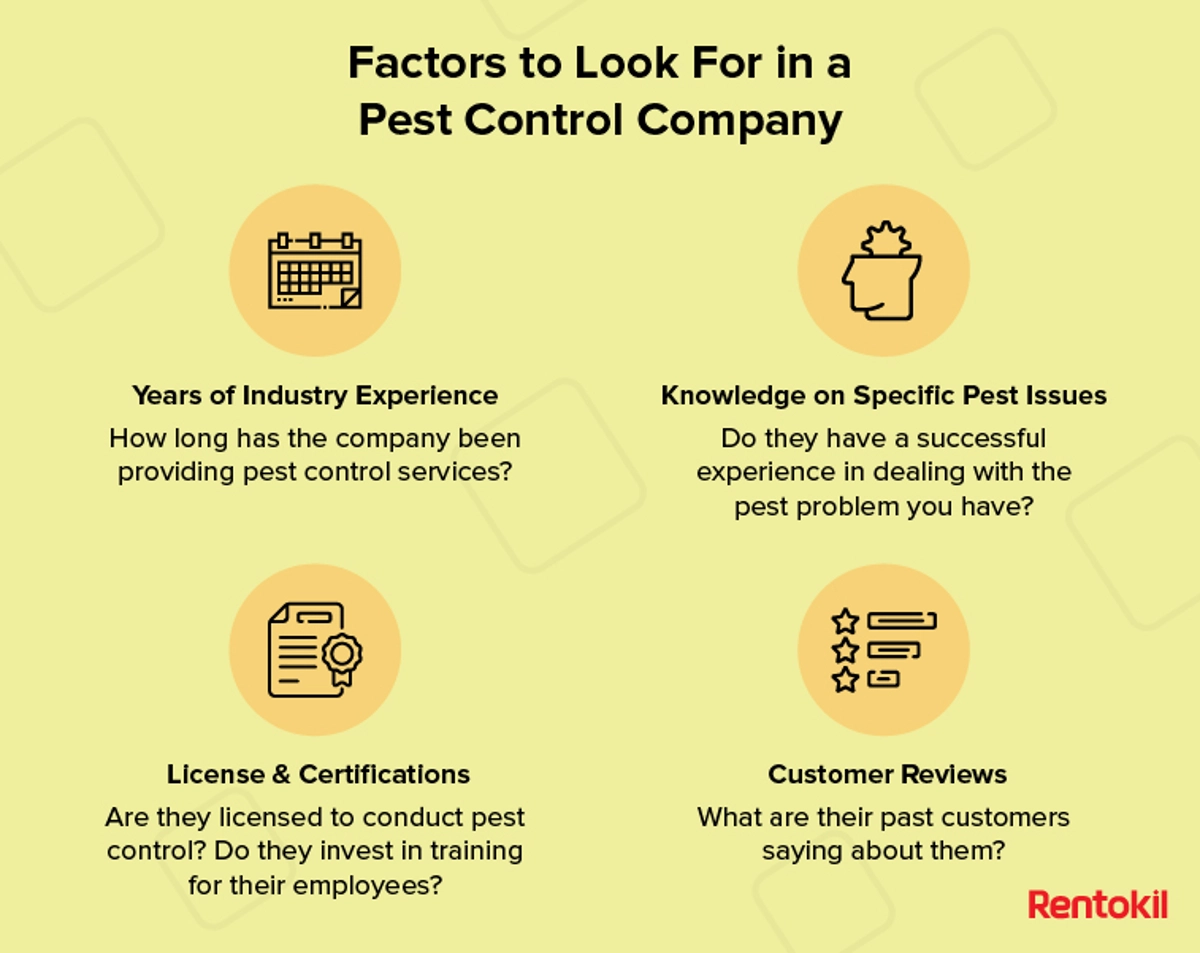
In summary, the best pest control specialist has several characteristics. They include years of industry experience, knowledge on the specific problem you have, technical certifications and license to conduct pest control, plus good reviews from their customers. It is a plus point if your choice of a pest control service provider is one that is continually updating themselves with better treatments and investing in the latest pest management innovations. Find out what makes a good pest control company.
You can trust Rentokil Singapore to have the technical knowledge to address your pest issues. With integrated pest management solutions and proper home maintenance advice, we will help you ensure that the pest infestations is under control.
Give us a call today at (65) 6347 8138 or visit our website for more pest control advice.