myRentokil
myRentokil login© 2026 Rentokil Initial plc and subject to the conditions in the Legal statement
With the sweltering heat and dry weather, you may face stray ants wandering into your homes in search for moisture and water. Although ants may get most of the water they need through the food they eat, some ants may soon face dehydration during times of dry climate.
If you have a leaky pipe at home, the supply of moisture attracts these active ants into your homes to forage for more. Besides water, any food crumbs, oil stains or sugary stuff left behind not cleaned up are all attractive food sources for ants.
Furthermore you may have the high potential to also attract a very troublesome and damaging type of ant species- the carpenter ants. If you have a leaky pipe leading near to any of your wooden items, dampened wood attracts carpenter ants.
Carpenter ants are capable of hollowing out wood just to build their nests in there. Leaky pipes and areas with high moisture are highly attractive for these ants.
Be careful not to get confused between carpenter ants with termites, both which are wood-damaging pests. Read further and get to Thirsty Pest 3 to find out more!
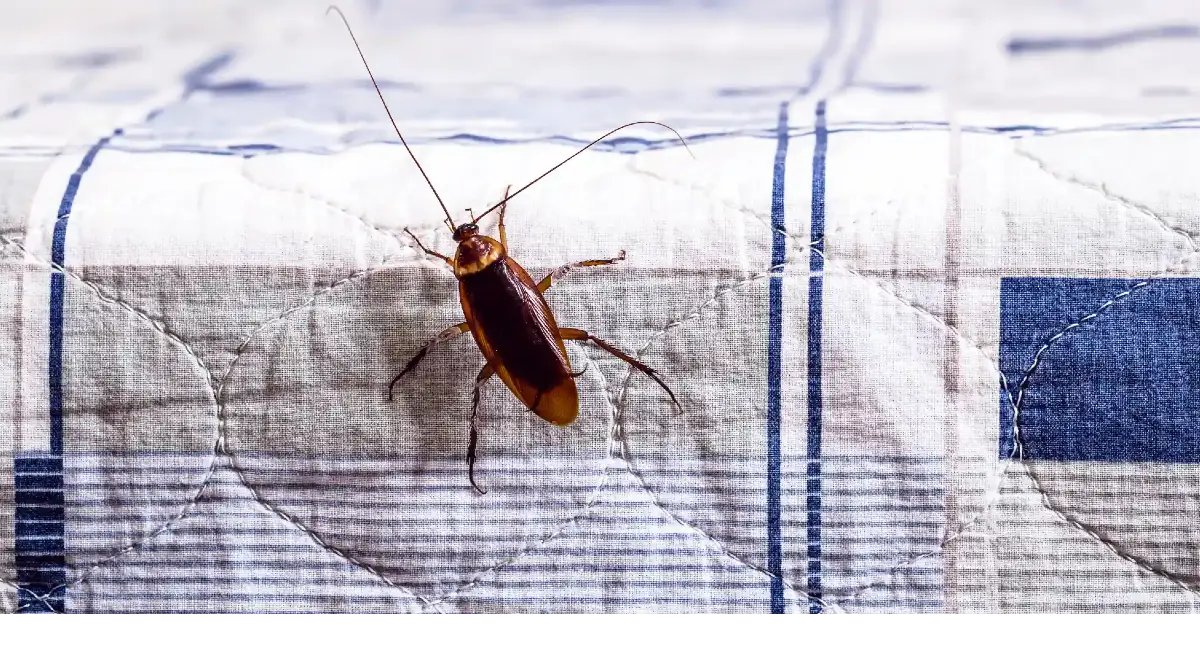
You probably didn’t know: Cockroaches die without water for a mere 1 week. Yet they can survive without food for up to 1 month!
You would have heard many times when mothers nag at you for wetting the wooden cabinets at home. The reason they would say is ‘white ants’. What exactly are these white ants and why would damp wooden stuff at home result in them?
It is true in a way of what mothers say about wet cabinets and white ants. They do attract termites (white ants) to come and feed on them. And in good judgment, it is wiser to keep your wooden cabinets and drawers dry and crisp.
If you have a leaky pipe at home, structures around these become wet and provide termites sources of water. Termites are well known to invade ceilings, windows, door frames and wall panels, they can consume beyond timber, attacking any cellulose material.
Differentiating between the 2 most common types of termite species in Singapore is important to get the right type of treatment done. In Singapore, there are the drywood termite and subterranean termite species.
Typical signs of drywood termite include damaged door frames, kitchen cabinets and bedroom wardrobe.Whereas typical signs of the subterranean termite includemud tubes built on wall, concrete, skirting, flooring and baseboards. Drywood termites create “saw dust” surface which is actually their droppings. Subterranean termites cause wood damages such as blisters and hollow sounding wood pieces.
Firstly, make sure you do not leave puddles of water on the surfaces that not only attracts mosquitoes to breed, but also provide as a food source for pests. Secondly, moisture build-ups result from poor ventilation and the warm and humid condition in Singapore, hence keeping premise cool and free from moist helps to keep pests away. Thirdly, make use of home tools such as floor mats and hand towels to dry your hands and feet to avoid flicking excess water on the surfaces. Finally, do mop and wipe dry the flooring or table top whenever you spot leaks and drips can help make a difference. Above all, do conduct regular home checks and inspection especially with defective plumbing and piping facilities that result in water spills and chokes. Pest prevention requires regular home maintenance and as well as changes to the lifestyle habits in a positive manner.
Read also: 5 reasons why you should not procrastinate housework
Drywood termites, a once challenging to manage pest, can now be treated with foaming technology. Different treatment options are also available to treat a termite, cockroach or ants infestation. Find out more with our pest control specialists for more details and book a free home check today.