myRentokil
Manage your business
Scientists are generally unified by having had a strong dose of the education system. Indeed some never leave it. Whilst many biologists enter education with dreams of tracking wolves, swimming with dolphins or rushing through fields with butterfly nets, the reality is there are vast arrays of organisms and habitats that warrant studying beyond those subject to flattering media attention.
The study of organisms in urban environments is not often the first choice of an impressionable biologist particularly as, in recent years, biology courses have become more skewed toward the conservation of habitats and species than understanding the physiology and ecology of organisms.
When you think of an entomologist, for example, you conjure up an image of someone bent over a microscope with a box of butterflies (an insect taxonomist, in reality) rather than a biologist that particularly likes creatures with six legs. Add to that, our study areas are the human-made habitats of concrete, tarmac, iron and refuse, rather than exotic jungles or tropical islands; it’s no wonder that those of us who look at the science of pests around human habitations can be a peculiar bunch of people.
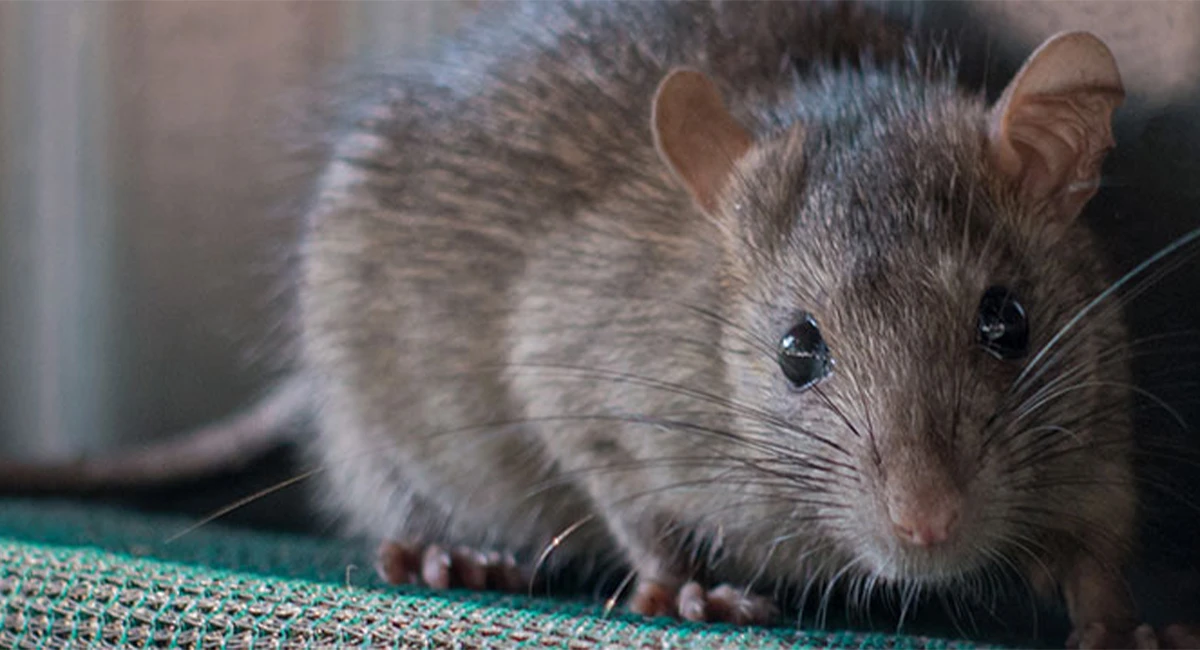
Pests are plants or animals that we consider to be detrimental to us or our activities. We humans modify our environment on a scale like no other animal, clearing vast areas of forest for cultivating food, draining marshes, changing the course of major rivers and building dwellings and structures that rise high into the sky and sink deep into the earth. We try to modify the environment to supply the products we want and to protect ourselves from its adverse features to live more comfortable lives.
In making these modifications and creating an environment suitable for large populations of humans to live in close proximity to each other we unwittingly replicate the habitats of some of the tens of thousands of organisms that we encounter.
We create situations where populations of these organisms can exist in much larger numbers than would ever be found in their natural habitat and in close proximity to humans. We provide them with more places for shelter, better food supply, for some pests we are the source of food, and fewer predators.
In effect, city building exerts a selection pressure on wildlife: those that cannot live around human conurbations will die out in those areas whilst others will flourish but may have a negative impact on us humans.
Pest management, therefore, is the study of those flourishing species and the application of that knowledge to limit any negative impacts they might have on us.
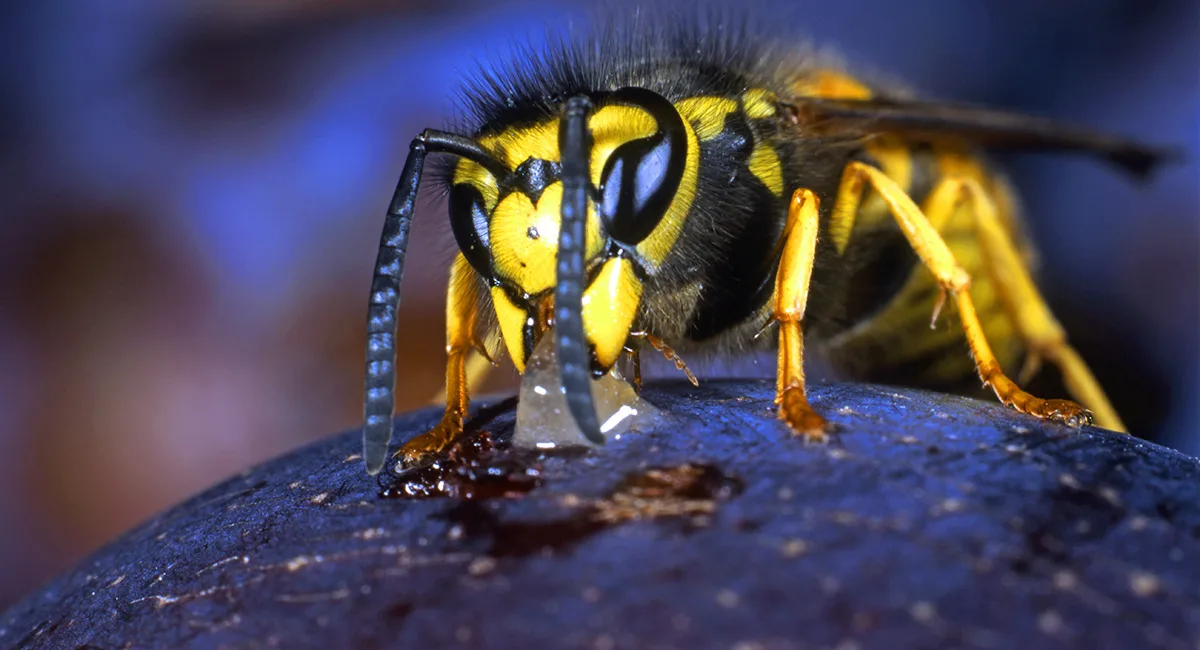
Urban pests are those animals that flourish in the human environment and impact on us in a detrimental way, such as spreading disease, fouling buildings, contaminating and consuming food in businesses and the home, or feeding on our blood and causing irritating bites.
The wide variety of animals classified as urban pests reflects the range of habitats that humans have encroached to build their homes and use for social and industrial activities. The main pests to us humans and the problems they cause are:
As anyone who has worked in the industry for any length of time will tell you, there is far more to urban pest management than checking bait boxes and spraying insecticides. Our pest control specialists are more than just exterminators - it's actually a fascinating field rooted in biology, ecology, and environmental science.
Our experts have a great deal of knowledge and passion for working in this branch of applied biology. They are continually striving to understand more about how humans interact with these species and how we can limit their impact on our lives, humanely and in environmentally friendly ways.
A career in this industry means you'll be at the forefront of applied science, using your knowledge of animal behavior, habitat management, and sustainable solutions to protect public health and property. You'll work directly with the natural world, tackling complex challenges with intelligence and innovation while making a tangible difference in people's lives.
If you have a passion for problem-solving and a desire to apply your scientific knowledge to real-world issues, a career in pest management could be a perfect fit. It's a dynamic profession that combines hands-on work with cutting-edge research, offering continuous opportunities for learning and growth.
Discover more about our rewarding career opportunities on our careers page.
Tailored, reliable pest management for homes and businesses, ensuring pest-free spaces for work, life and play