myRentokil
Manage your business
Droppings in a stockroom, gnawed wiring or a shadow scurrying across the floor — it’s a sight no business owner wants to see. While a quick fix might seem appealing in the short term, this reactive approach often leaves your business vulnerable, leading to more significant, costly infestations and recurring issues down the line. For businesses, particularly those in high-dependency sectors such as logistics, food processing and food retail, where there’s minimal tolerance for pests, waiting for an infestation can pose severe risks to operations, reputation and brand protection.
For proper, long-term protection, businesses must proactively pest-proof their premises by identifying and sealing every potential entry point to prevent pests from getting inside. This should be the very first step of an integrated pest management programme.
In this blog, we’ll explore the common structural weak points in a commercial building and explain what you can do to pest-proof these vulnerabilities.
While reactive treatments work well to address a pest problem and prevent it from escalating, they don’t prevent the problem reoccurring. Therefore, relying solely on reactive rodent control is a flawed strategy because it addresses the symptom — the pest’s already on your premises — rather than the root cause of the problem. This approach traps a business in a costly and disruptive cycle: an infestation occurs, it's dealt with, but the original entry points remain open for a future intrusion.
This endless loop leads not only to recurring treatment fees but also to the ongoing risks of stock contamination, damage to wiring and infrastructure and operational downtime. Most critically, a reactive-only strategy leaves a business permanently vulnerable to the sudden and severe consequences of an unexpected infestation, including failed audits and irreparable harm to brand reputation.
Transitioning from a reactive to a proactive approach means identifying every potential entry point before pests do. Our professional technicians are trained to do just that, using an expert eye to spot vulnerabilities that pests exploit but that business owners often overlook. Let's start with the most common culprits they identify.
The most obvious entry points are often the most exploited. Rodents are experts at exploiting the smallest structural weaknesses, and gaps around doors are their most common target. They can squeeze through tiny openings — as small as 6.5mm for a mouse — and will often gnaw a gap larger to create an entry point onto your premises.
Given their vulnerability, professionally proofing every doorway is a fundamental step in any pest management strategy. There are many ways to achieve this, with solutions on the market ranging from brush strips to custom-fitted door seals designed to close off even the smallest gaps.
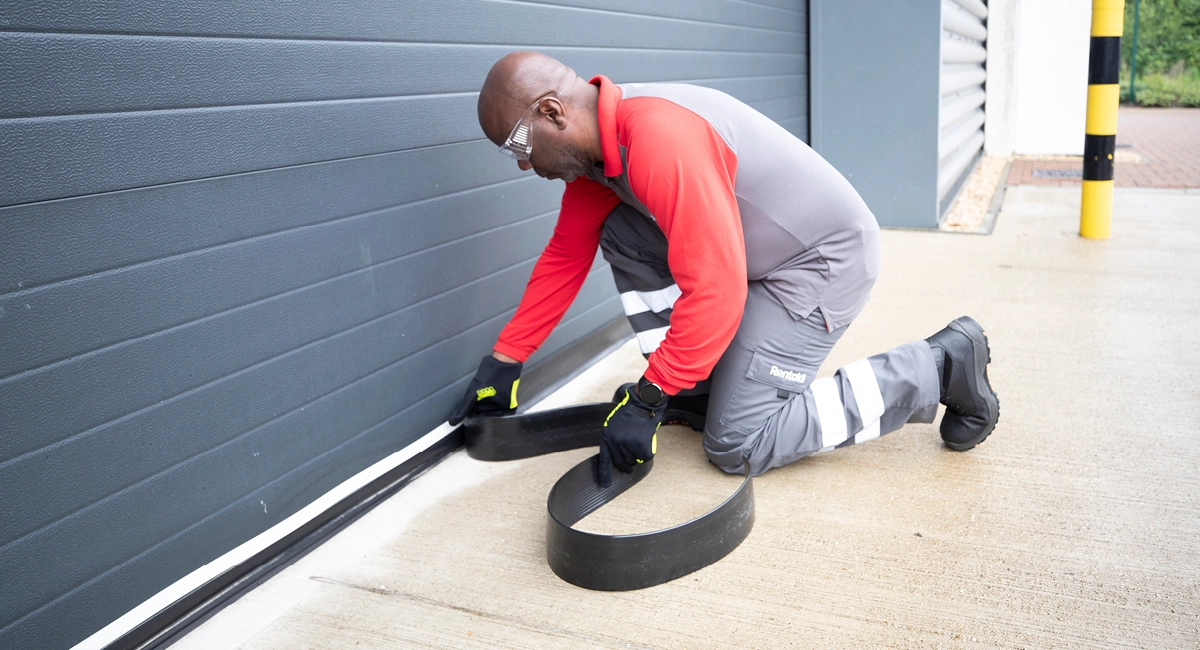
For environments requiring the highest level of protection, complete systems like the Flexi Armour Doors range offer advanced, specialised solutions for roller, insulated and pedestrian doors. They are engineered with gnaw-resistant materials to ensure that once a door is sealed, it stays sealed.
Given their vulnerability, professionally proofing every doorway is a fundamental step in any pest management strategy. There are many ways to achieve this, with solutions on the market ranging from brush strips to custom-fitted door seals designed to close off even the smallest gaps.
For environments requiring the highest level of protection, complete systems like the Flexi Armour Doors range offer advanced, specialised solutions for roller, insulated and pedestrian doors. They are engineered with gnaw-resistant materials to ensure that once a door is sealed, it stays sealed.
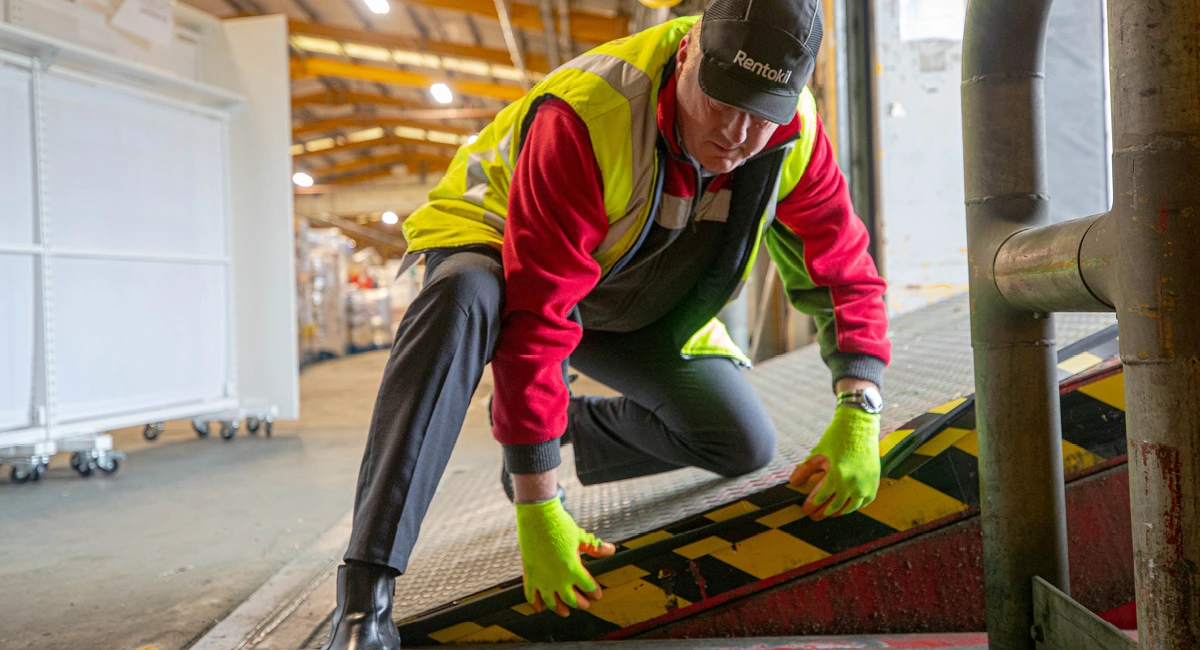
Your dock levellers make moving goods easy, but the gaps around them can let pests in. These spaces give rodents a way into your building and also trap spilled materials, which they use for food and nesting. This is a common issue — analysis of customer data from Rentokil's PestConnect system found that approximately 30% of pest problems in warehouses and similar buildings start right at the loading dock.
That's why sealing these gaps with rodent-resistant materials that are specially designed for these purposes is so important for preventing an infestation. These high-grade materials outperform DIY materials that are weaker and can hinder the operation of the area being pest-proofed.
Various market solutions are designed specifically for this challenge. For example, Flexi Armour Dock provides a complete, durable seal tailored to the unique structure of dock levellers, ensuring your busiest area is no longer your most vulnerable.
Once your doors and dock levellers are secure, the next area to inspect is ground level. A determined rodent is just as likely to go under your defences as through them. Rodents are natural burrowers, and their instinct to tunnel underground can weaken structures, create hidden entry points and provide unseen access to your premises. This burrowing activity poses a significant risk of contamination, damage and reputational harm, making the ground a critical entry point that must be professionally proofed.
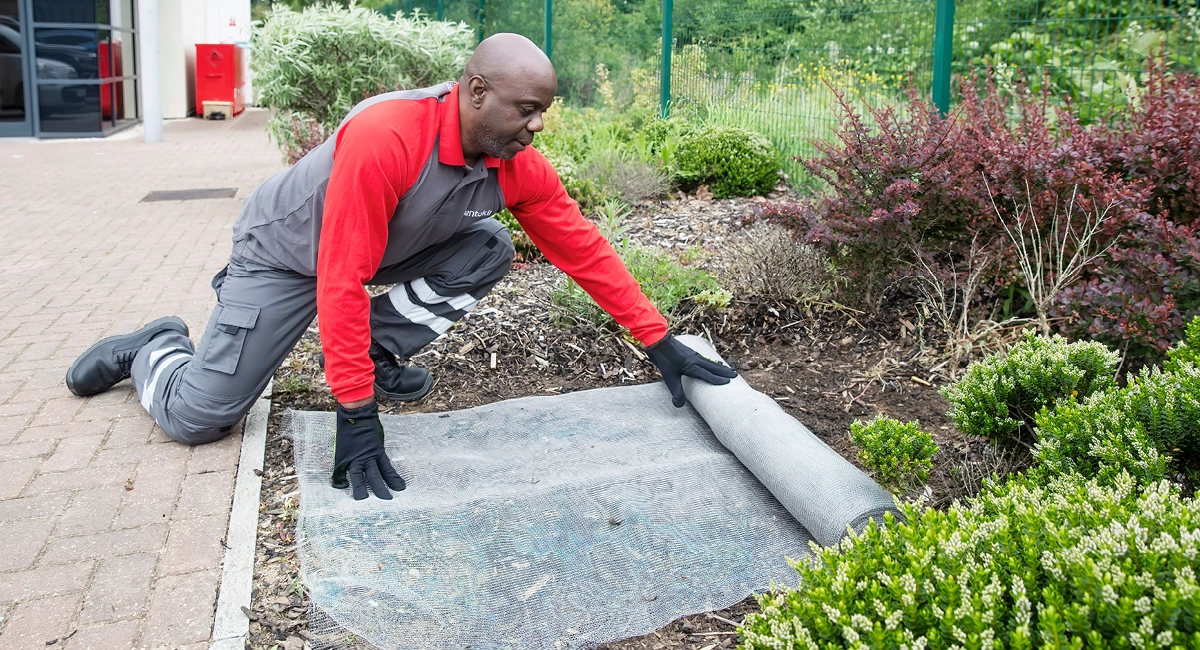
Various methods exist to prevent pests from burrowing, typically involving the installation of durable, impenetrable materials. For example, high-tensile meshing systems like Flexi Armour Ground Mesh are laid under the surface, creating a robust physical barrier that stops rodents in their tracks without affecting drainage or land use.
Expansion joints, which are necessary structural gaps that allow concrete to respond to temperature changes and prevent cracking, can also pose a significant pest control risk. Debris often accumulates in these gaps, creating ideal shelter for rodents. These joints also serve as concealed pathways, allowing rats and mice to travel undetected throughout the facility.
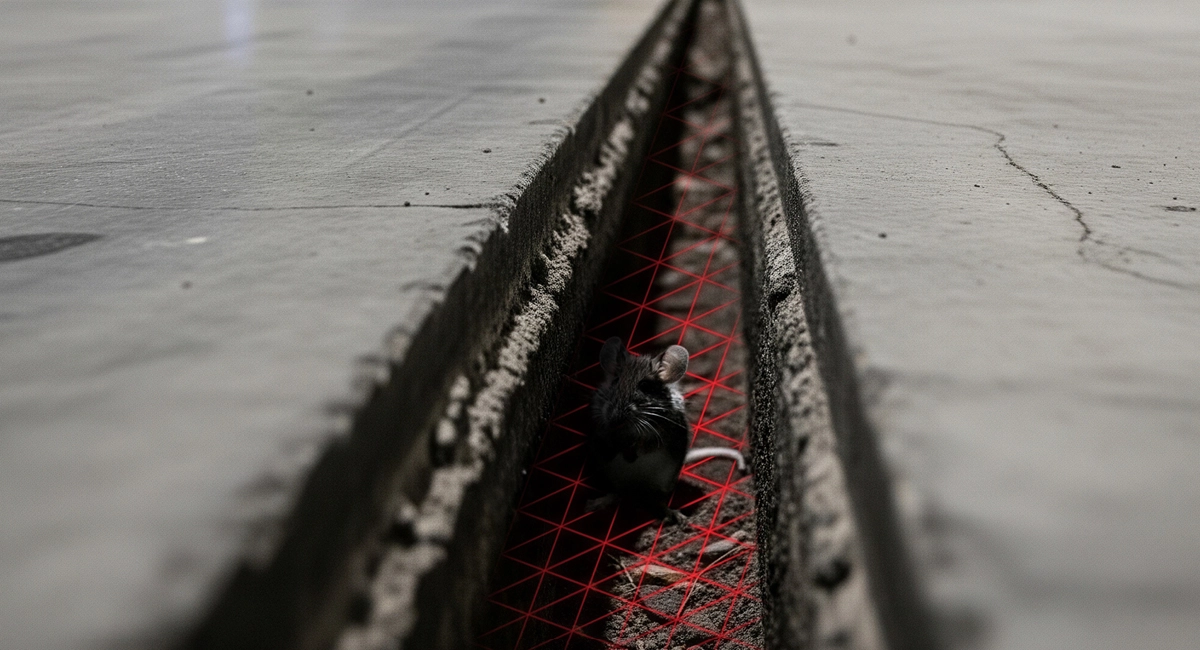
There are professional solutions available that are specifically designed to proof these vulnerabilities. The key is using a material that is completely pest-proof and able to withstand the daily pressures of a commercial setting — from gnawing rodents to heavy machinery. Flexi Armour Expansion meets this challenge, providing a durable, flexible seal that denies pests a home and a highway, while maintaining the structural integrity of your floor.
Finally, a comprehensive strategy must focus on the small, often-overlooked flaws in the building's general fabric. These subtle weaknesses can add up to a major vulnerability. Even the most insignificant-looking holes and gaps in your building's exterior can leave it vulnerable to pest entry. These openings provide a clear pathway for rodents and insects to get inside and start an infestation. Let’s take a look at some examples.
Over time, any building accumulates wear and tear or undergoes modifications, leaving behind a series of potential entry points. These can include old drill holes from previous fixtures, gaps around utility cables and pipework or developing cracks in the building's foundation. While each one may seem minor on its own, together they create numerous opportunities for rodents to get inside.
This is where a versatile, robust sealing solution becomes essential. A professional-grade sealant that’s reinforced with stainless steel hooks for gnaw resistance, such as Flexi Armour Building Seal, is designed to fill these irregular gaps permanently, creating a durable, gnaw-proof barrier that secures these common weak points.
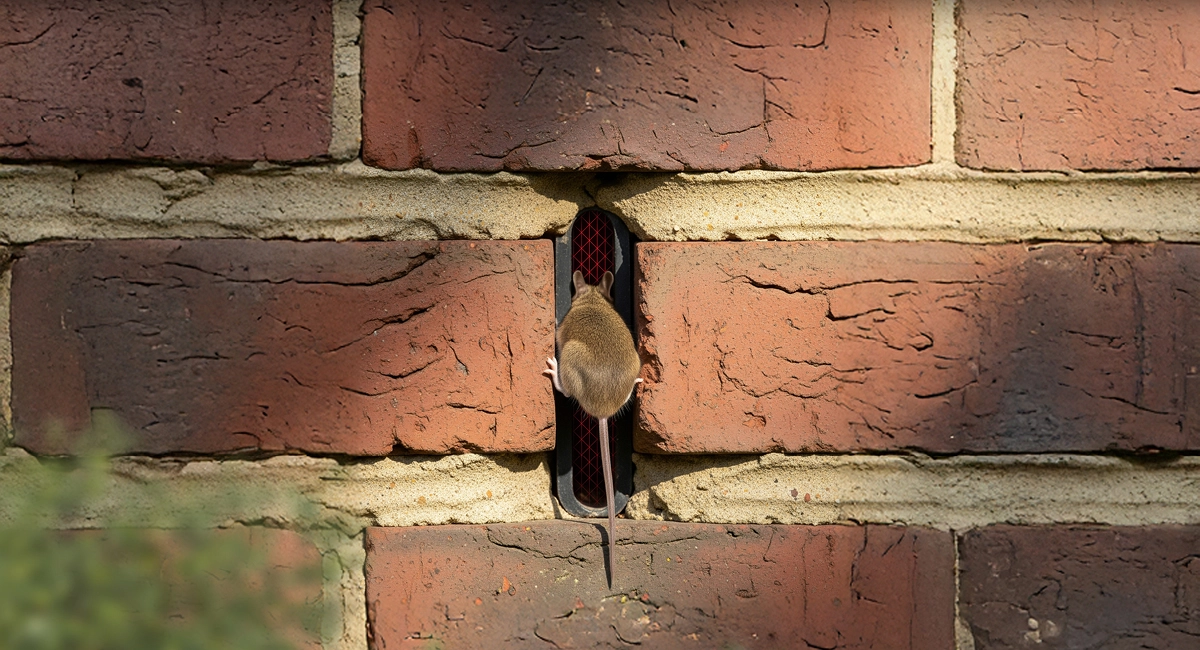
Weep holes are the small gaps left between bricks to let air in and moisture out, which is vital for preventing damp inside your walls. The downside is that these gaps are also a perfect entry point for pests like mice and insects. Once they get into the wall cavity, they can use it as a hidden network to travel anywhere in your building, making themselves at home and multiplying out of sight.
Because these gaps are essential for the building's health, it’s not as simple as sealing them with traditional fillers. They require a specialist solution that blocks pests while still allowing for ventilation and drainage. This is where products like Flexi Armour Weep are invaluable. It’s a knitted stainless steel mesh tube that fits neatly into the weep hole, creating a barrier that’s proven to be effective against rodents but maintains crucial airflow, all without damaging the surrounding brickwork.
On many commercial properties, the exterior cladding can unintentionally create a hidden highway for pests. The space between the cladding and the original wall acts as a sheltered ladder for rodents, allowing them to climb and explore the building's exterior until they find an opening into the main premises. What appears to be a solid outer wall can, in fact, be a major vulnerability.
To close off this hidden highway, a robust and permanent barrier must be installed where the cladding meets the building's main structure. A flexible, knitted stainless steel mesh like Flexi Armour Building Seal is specifically designed for this task. Thanks to its corrosion-resistant properties, it provides a swift and durable solution, creating a perimeter defence that turns a major vulnerability into a secured part of your building.
From failed audits to contaminated stock, the consequences of a pest infestation far outweigh the cost of preventing one. By moving from reaction to prevention, you can control pests while protecting your premises, brand and reputation. Sealing your building’s structural vulnerabilities is the single most effective action you can take to ensure long-term security and peace of mind. Learn more about the Flexi Armour proofing range that’s designed to help you block pest intrusion through a wide range of entry points here.
Comprehensive pest-proofing range