myRentokil
Access the online reporting system
Flooding is a destructive force of nature, often leaving a trail of damage and chaos in its wake. While the immediate impacts, such as water damage to homes and businesses, are apparent, there is another less visible threat that can continue long after the floodwaters have receded: termites. Heavy rains and flooding can create the ideal conditions for termites to invade your home, causing significant damage that may not be immediately noticed. Let’s take a closer look at how these natural disasters can affect termite activity and what you can do to minimise the damage.
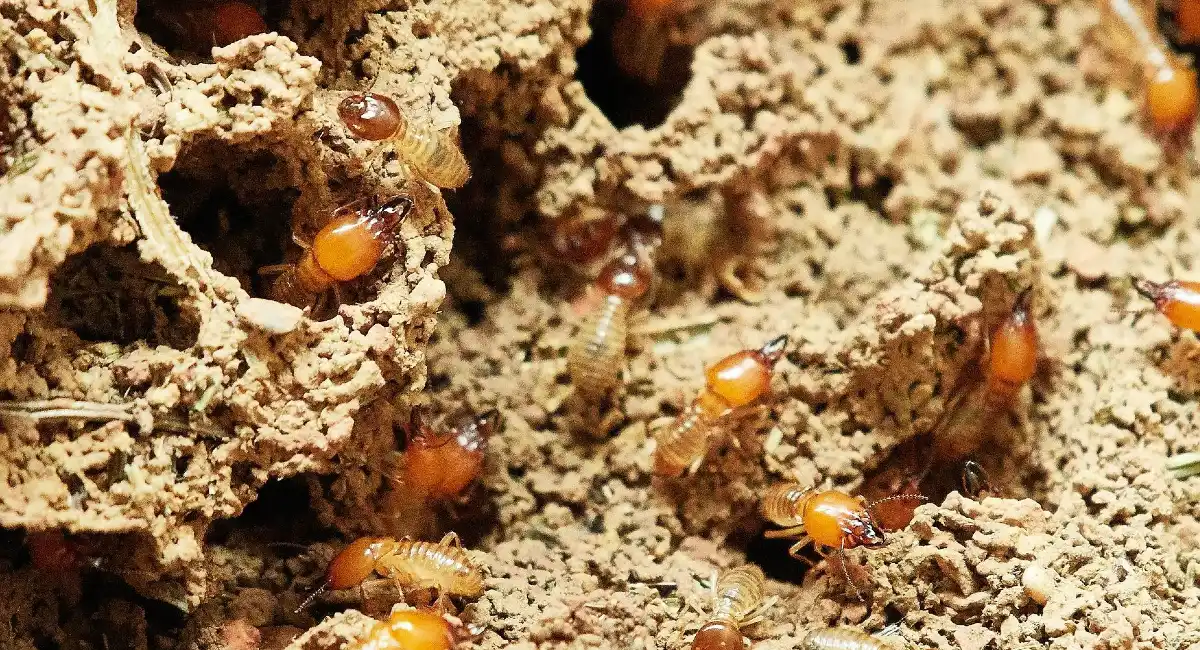
Termites thrive in moist, humid environments, making areas affected by heavy rainfall and flooding particularly vulnerable. When floodwaters inundate the ground, they increase the moisture levels in the soil, creating an environment that is ideal for subterranean termites, which are drawn to damp wood and weakened structures. The increased moisture in both the soil and your home’s foundation offers termites a direct route into your property, especially if there are gaps or cracks in the structure.
Floodwaters often penetrate wooden foundations and walls, further compromising the integrity of the wood and making it an even more attractive food source for termites. The moisture weakens the wood, allowing termites to easily infest and cause damage, often without being noticed until it’s too late.
In areas prone to flooding, many homeowners rely on chemical termite barriers to safeguard their homes. However, flooding can significantly impact the effectiveness of these barriers. The movement of water through the soil can wash away or dilute the chemicals used in these treatments, reducing their efficacy. Furthermore, floodwaters can shift debris and soil, which may cover or displace existing termite barriers, leaving gaps through which termites can enter.
Even in areas that typically have strong termite barriers, flooding can render them ineffective. The redistribution of soil during floods can create new entry points for termites, making it crucial to inspect the property for potential weaknesses after a flood.
To understand more about how chemical barriers work and their regulations in Australia, you can refer to the Australian Pesticides and Veterinary Medicines Authority (APVMA), which provides guidelines on approved termite treatments.
In addition to disrupting barriers, flooding can also trigger termite swarming. After a flood, termites are often forced to relocate to find new sources of food and shelter. Swarms of termites leave their original colony in search of new places to establish themselves, and homes that have been impacted by flooding become prime targets. With weakened barriers and moisture-rich environments, these homes are more susceptible to becoming infested by new termite colonies.
For more information on termite behaviour and their impact, visit Wikipedia’s Termite Page.
1. Inspect for signs of termite activity: After flooding, it’s essential to check your property for any signs of termite activity. Look for mud tubes, which are the primary way termites travel, or damage to wood structures, including doors, windows, and beams. Be sure to inspect areas that are prone to moisture, such as basements and crawl spaces.
2. Replenish termite barriers: If your home’s termite barriers were affected by flooding, it’s important to have them replenished. Floodwaters can wash away or weaken the chemicals used in barriers, making them ineffective at deterring termites. It’s best to contact a pest control professional to assess the damage and reapply termite protection if necessary.
3. Seal gaps and cracks: Floodwaters often expose weaknesses in a home’s foundation or structure. Ensure all cracks and gaps around windows, doors, and walls are properly sealed to stop termites from entering. Regular maintenance can help minimise the risk of future infestations.
4. Consider professional termite inspections: If you live in an area that has experienced significant rainfall or flooding, arranging a professional termite inspection can help assess potential termite activity around your property. Pest control experts can assess the extent of any termite damage, check the integrity of your termite barriers, and suggest remedial termite treatments.
While the immediate effects of flooding and heavy rains are often easy to identify, the long-term risks of termite damage are often overlooked. The increased moisture levels and disruption of termite barriers can create ideal conditions for termites to invade your home, potentially causing significant structural damage over time. By taking proactive steps, such as inspecting your home, replenishing termite barriers, and sealing potential entry points, you can minimise the damage caused by these silent destroyers.
If you’ve recently experienced flooding or heavy rainfall in your area, don’t wait until you notice the damage—schedule a termite inspection today to ensure your home is safe from these hidden threats.
Protecting Australian homes and businesses for over 50 years